Shandong HeadPowder Engineering Co., Ltd., commonly known as HeadPowder, specializes in the development and application of advanced technologies for lithium-ion battery positive electrode materials. This article provides an overview of the key technical parameters and the corresponding conveying system processes used in the production of these materials, emphasizing the company's expertise and engineering solutions. HeadPowder, headquartered in Shandong, China, has established itself as a leading provider of high-quality positive electrode materials and related processing technologies, serving a wide range of industries including electric vehicles, consumer electronics, and renewable energy storage.
Key Technical Parameters of Lithium-Ion Battery Positive Electrode Materials
The performance of lithium-ion battery positive electrode materials is fundamentally determined by a set of critical technical parameters that directly influence battery efficiency, safety, and longevity. These parameters are meticulously controlled during the manufacturing process to ensure optimal performance. Among the most important parameters are particle size distribution, surface area, tap density, and chemical composition. Particle size distribution, for instance, affects the rate capability and cycle life of the battery; smaller particles generally provide better rate performance but may lead to increased internal resistance. Surface area is another critical factor, as it influences the material's ability to store and release lithium ions during charge and discharge cycles. Higher surface area typically enhances the material's capacity but may also increase the risk of side reactions. Tap density, which measures the bulk density of the material under a specific tapping force, is crucial for optimizing the material's packing density in the battery cell, ensuring efficient use of space and material. Chemical composition, including the ratio of active material to binder and conductive agent, plays a vital role in balancing energy density, thermal stability, and mechanical integrity. For example, in lithium cobalt oxide (LCO) materials, the cobalt content and crystal structure are carefully managed to achieve the desired electrochemical properties. HeadPowder employs advanced analytical techniques and rigorous quality control measures to ensure that all these parameters meet or exceed industry standards, thereby delivering high-performance positive electrode materials that meet the specific requirements of various applications.
Conveying System Process for Lithium-Ion Battery Positive Electrode Materials
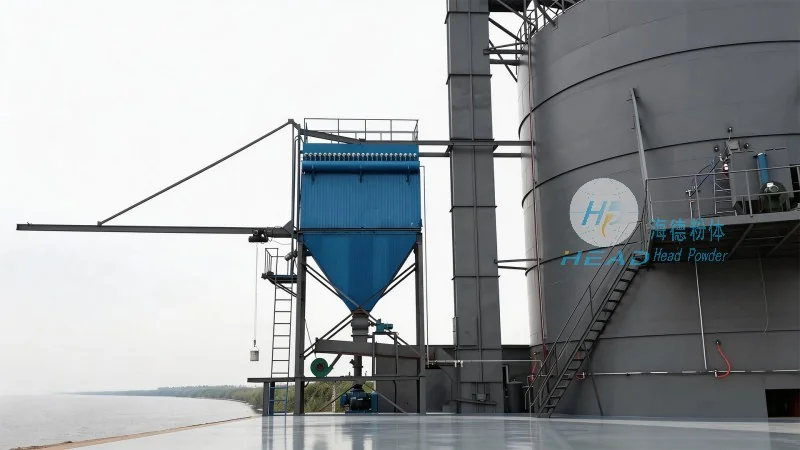
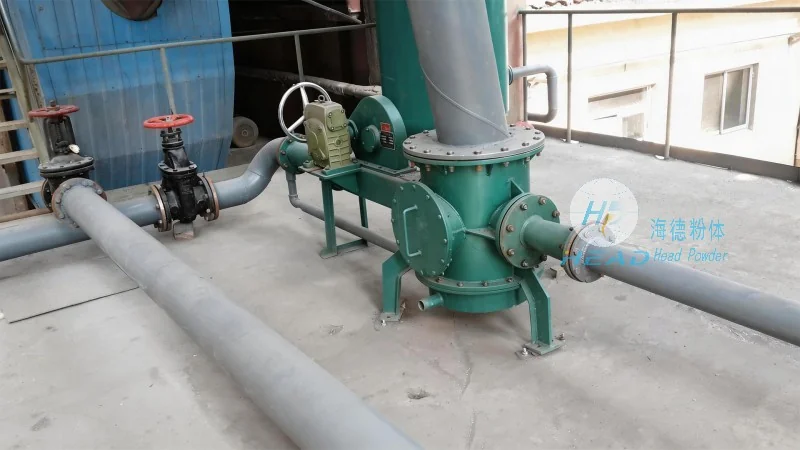
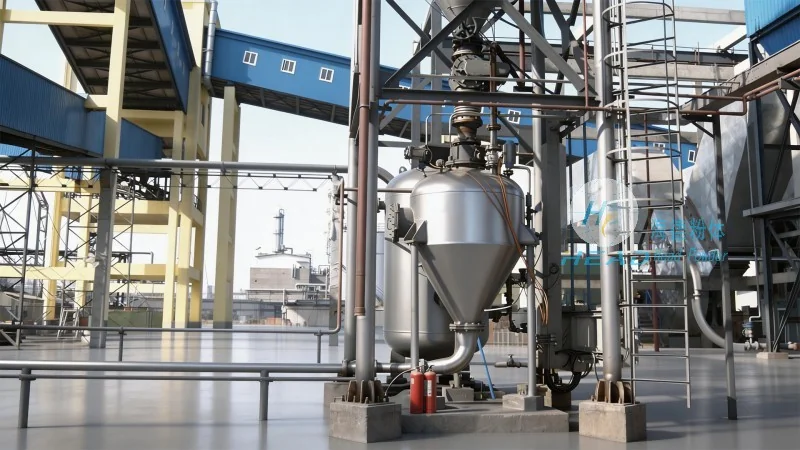
The production of lithium-ion battery positive electrode materials involves a complex and integrated series of steps, with the conveying system serving as a critical component that ensures the seamless and efficient transfer of raw materials and intermediate products. The conveying system process typically encompasses several key stages: material feeding, mixing, granulation, drying, and packaging. Each stage is designed to maintain the integrity and quality of the materials while minimizing material loss and energy consumption. The material feeding stage begins with the precise weighing and feeding of raw materials such as lithium salts, transition metal oxides, and carbon sources. This step is critical to ensure the accurate stoichiometry of the final product. The mixing stage involves combining the active material with binders (e.g., polyvinylidene fluoride, PVDF) and conductive agents (e.g., carbon black) to form a homogeneous slurry. This slurry is then processed through granulation, where it is converted into a uniform powder with optimal particle size. Granulation can be achieved through various methods, including spray drying, roller compaction, or extrusion, depending on the specific material and application. The dried powder is then subjected to drying processes to remove moisture and ensure the material's stability. This may involve hot air drying, vacuum drying, or fluidized bed drying, each chosen based on the material's thermal properties and moisture content. Finally, the dried powder is packaged for distribution. HeadPowder's conveying system is equipped with high-precision equipment and automated control systems, such as variable speed drives and level sensors, to maintain consistent material flow and prevent blockages or overfilling. The system also incorporates safety features, including dust collection and explosion-proof designs, to comply with international safety standards and prevent hazards such as dust explosions. By integrating advanced control technologies and robust safety measures, HeadPowder ensures that the conveying system operates efficiently and reliably, supporting the production of high-quality positive electrode materials.
Quality Assurance and Technical Support from HeadPowder
HeadPowder places a strong emphasis on quality assurance throughout the entire production process, from raw material selection to final product testing. The company utilizes a comprehensive quality management system (QMS) that adheres to international standards such as ISO 9001. This system includes regular internal audits, external certification, and continuous improvement initiatives to ensure that all products meet or exceed customer expectations. The quality control process begins with raw material inspection, where incoming materials are tested for purity, moisture content, and other critical properties. Intermediate products, such as the slurry and granules, are also tested for consistency and uniformity. Final products are subjected to rigorous testing, including chemical analysis, particle size analysis, and electrochemical performance testing. These tests verify that the materials meet the specified technical parameters and are suitable for their intended applications. HeadPowder's testing facilities are equipped with state-of-the-art equipment, including X-ray diffraction (XRD) for crystal structure analysis, scanning electron microscopy (SEM) for particle morphology, and electrochemical impedance spectroscopy (EIS) for performance evaluation. By leveraging these advanced testing capabilities, the company ensures that its products are of the highest quality and reliability. Additionally, HeadPowder provides comprehensive technical support to clients, offering customized solutions based on their specific needs. The company's engineering team works closely with clients to understand their requirements and develop tailored solutions that enhance performance and reduce costs. For example, for electric vehicle manufacturers, HeadPowder may provide customized positive electrode materials with higher energy density and improved cycle life. For renewable energy storage systems, the company may offer materials with enhanced safety features and longer lifespan. By leveraging its expertise in material science and process engineering, HeadPowder helps clients optimize their battery designs and improve overall product performance, contributing to the advancement of the lithium-ion battery industry.




