

Role of Pneumatic Conveying in Foam Powder Transport
When it comes to the efficient and reliable transport of foam powder, pneumatic conveying systems have emerged as a critical solution in modern material handling. This technology offers a versatile approach to moving these lightweight, often sensitive materials with precision and minimal loss. The role of pneumatic conveying in foam powder transport is not just about moving the material from point A to point B; it’s about ensuring that the integrity of the foam powder is maintained throughout the process, which is paramount for applications where consistency and quality are non-negotiable.
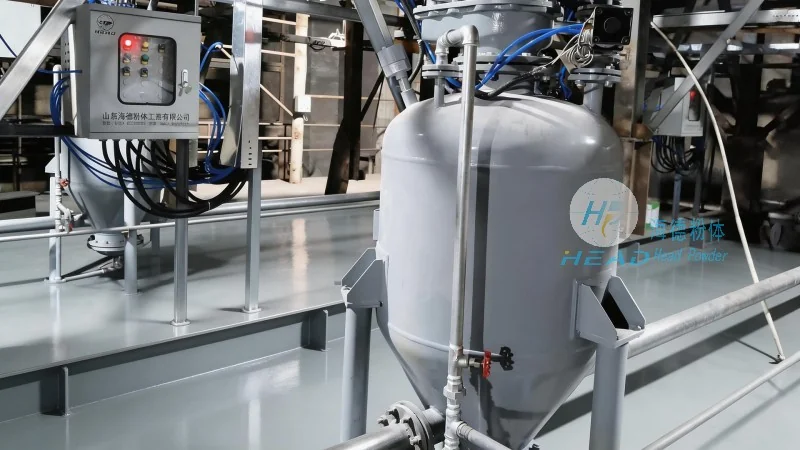
Understanding Foam Powder Characteristics and Challenges
Before delving into the specifics of pneumatic conveying, it’s essential to understand the unique characteristics of foam powder. Foam powders are typically lightweight, with a high surface area and often contain air pockets or other additives that can affect their flow properties. These characteristics make traditional bulk handling methods, such as belt conveyors or screw conveyors, less effective. The challenges include preventing agglomeration, maintaining particle size distribution, and ensuring that the material does not degrade during transport. Pneumatic conveying addresses these challenges by using air to move the powder in a controlled environment, minimizing contact with surfaces and reducing the risk of contamination or degradation.
Pneumatic Conveying Systems: How They Work
Pneumatic conveying systems operate by using compressed air to create a flow of material through a pipeline. There are primarily two types of pneumatic conveying: dilute phase and dense phase. Dilute phase systems use higher air velocities to move the powder in a dispersed state, suitable for longer distances and higher throughput. Dense phase systems, on the other hand, use lower air velocities and higher pressure to move the powder in a slurry-like state, which is ideal for shorter distances and more sensitive materials. The choice between these systems depends on the specific requirements of the foam powder, including its density, particle size, and the distance it needs to be transported.
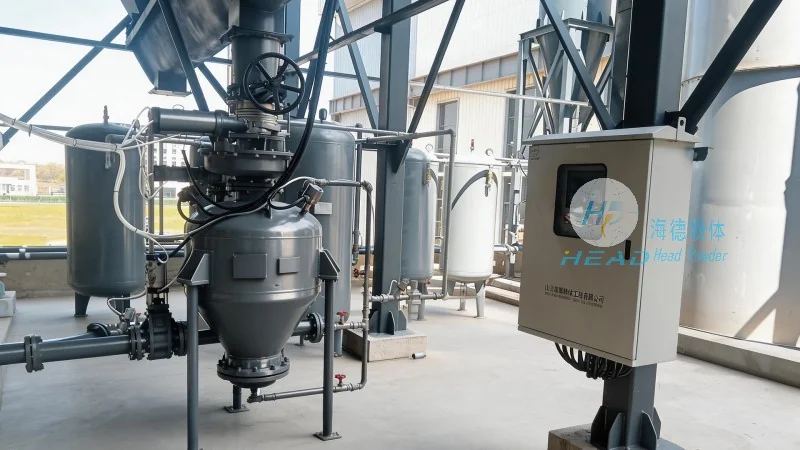
Key Benefits of Pneumatic Conveying for Foam Powder
Implementing pneumatic conveying for foam powder transport offers several key benefits. First, it provides a closed system, which is crucial for maintaining the purity and quality of the material, especially in industries like pharmaceuticals or food processing where contamination is a major concern. Second, it offers high efficiency in terms of energy use and material throughput, reducing operational costs over time. Third, pneumatic conveying systems are highly flexible, allowing for changes in the layout or distance of the transport route without major modifications. Fourth, they can handle a wide range of foam powder types, from fine powders to larger granules, making them a versatile solution for various applications. Finally, these systems are relatively low maintenance compared to other bulk handling equipment, which contributes to their long-term cost-effectiveness.
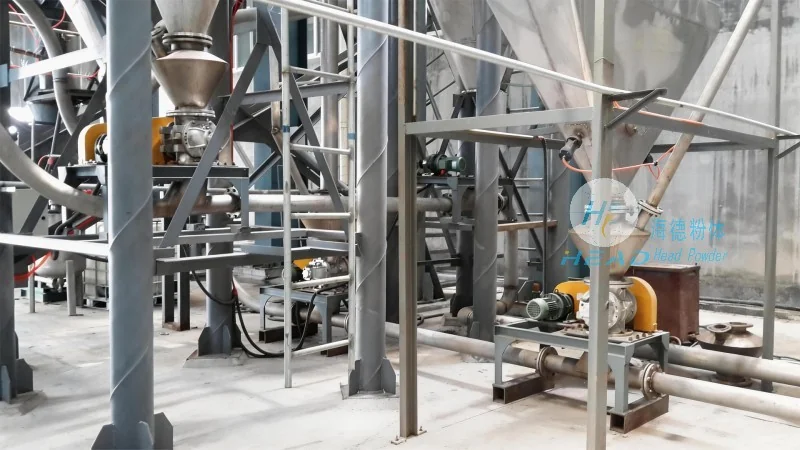
Applications of Pneumatic Conveying in Foam Powder Handling
The applications of pneumatic conveying in foam powder handling are diverse and span multiple industries. In the pharmaceutical industry, for example, pneumatic conveying is used to transport active pharmaceutical ingredients (APIs) and excipients, ensuring that the materials remain sterile and free from contamination. In the food industry, it’s used to handle food-grade foam powders, such as those used in baking or dairy products, where hygiene and quality are paramount. In the chemical industry, it’s employed to transport foam powders used in manufacturing processes, where consistent material flow is essential for product quality. Additionally, in the construction industry, foam powders used as additives in concrete or other building materials are often transported using pneumatic systems to ensure uniform distribution and quality control.
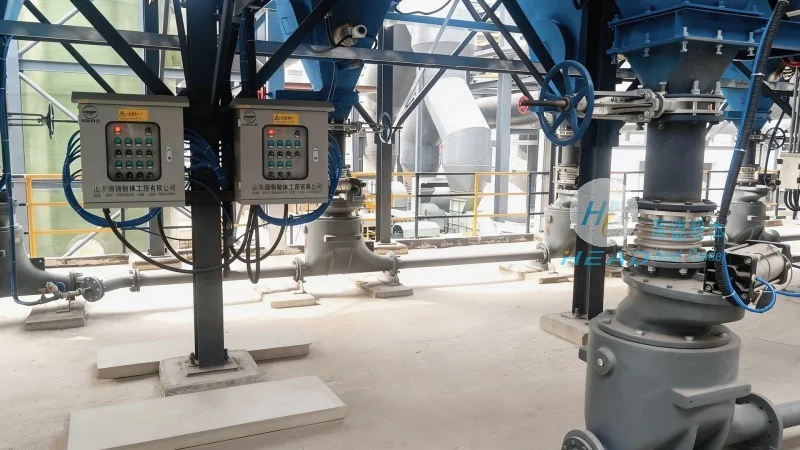
Choosing the Right Pneumatic Conveying Solution for Your Foam Powder Needs
When selecting a pneumatic conveying system for foam powder transport, several factors must be considered. The first is the type of foam powder being handled, including its density, particle size, and moisture content. The second is the distance and layout of the transport route, as this will determine whether a dilute or dense phase system is more suitable. The third is the required throughput and flow rate, which will influence the size and capacity of the system. The fourth is the need for a closed system to maintain purity, which may require additional components like filters and dust collectors. Finally, the budget and maintenance requirements should be taken into account, as these will impact the long-term viability of the system.
Conclusion: The Role of Pneumatic Conveying in Modern Foam Powder Transport
In conclusion, pneumatic conveying plays a vital role in the efficient and reliable transport of foam powder. By leveraging compressed air to move these lightweight, often sensitive materials, this technology addresses the unique challenges associated with foam powder handling, including maintaining particle integrity, preventing contamination, and ensuring consistent flow. The benefits of pneumatic conveying, including high efficiency, flexibility, and low maintenance, make it an attractive solution for various industries. As the demand for high-quality foam powders continues to grow, the importance of effective transport systems like pneumatic conveying will only increase. For businesses looking to optimize their foam powder handling processes, investing in a well-designed pneumatic conveying system is a strategic decision that can lead to improved efficiency, reduced costs, and enhanced product quality.