Corn stalk material conveying is a critical process in agricultural operations, particularly in the post-harvest handling of corn crops. It involves the efficient transportation of corn stalks from the field or storage areas to processing facilities or disposal sites. This process is essential for optimizing the workflow in agricultural industries, ensuring that the material is moved safely and effectively to support subsequent steps like baling, composting, or energy conversion. The design of conveying systems for corn stalks must consider various factors, including the physical properties of the material, the scale of operation, and the specific end-use requirements.
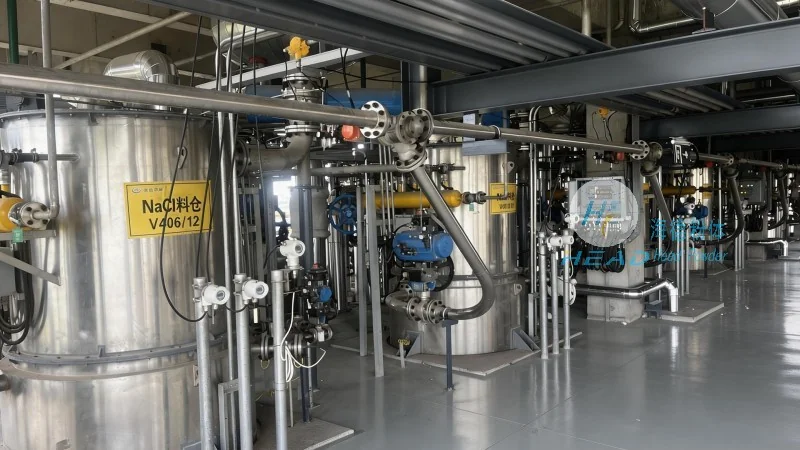
The Core Design Principles of Corn Stalk Conveying Systems
The design of corn stalk material conveying systems is guided by several fundamental principles aimed at maximizing efficiency, reliability, and cost-effectiveness. One of the primary considerations is the mechanical properties of corn stalks, which are typically dry, fibrous, and have a relatively low bulk density. These characteristics influence the choice of conveyor type, such as belt conveyors, screw conveyors, or pneumatic conveyors. Belt conveyors are commonly used for horizontal or slightly inclined transport due to their ability to handle large volumes of material with minimal friction. Screw conveyors, on the other hand, are suitable for vertical or inclined transport, leveraging the self-feeding action of the screw to move material upward or along a slope. Pneumatic conveyors, while less common for corn stalks due to their tendency to clog, are sometimes employed for short-distance or high-volume applications where other systems are impractical.
Key Components and Their Function in Conveying Systems
Effective corn stalk material conveying systems rely on a combination of key components, each playing a crucial role in the overall operation. The primary components include the feed hopper, which collects and feeds the material into the conveyor; the conveyor itself, which transports the material; and the discharge mechanism, which delivers the material to its destination. The feed hopper is designed to handle the bulk material and ensure a consistent flow into the conveyor, preventing blockages and maintaining uniform speed. The conveyor belt or screw is typically made of durable materials, such as rubber or metal, to withstand the abrasive nature of corn stalks and minimize wear over time. The discharge mechanism may include chutes, gates, or other devices that direct the material to the next stage of processing. Additionally, control systems, such as variable speed drives and sensors, are integrated to monitor and adjust the conveying rate based on real-time conditions, ensuring optimal performance and preventing overloading or underloading of the system.

Material Handling Challenges and Solutions in Corn Stalk Conveying
Handling corn stalks presents several challenges that must be addressed in the design of conveying systems. One of the main challenges is the material's tendency to mat or clump together, which can cause blockages and reduce the efficiency of the conveyor. To mitigate this, systems often incorporate features such as rotating paddles or vibrators in the feed hopper to break up clumps and ensure a smooth flow. Another challenge is the varying moisture content of corn stalks, which can affect their bulk density and friction properties. Moisture can cause the material to become more cohesive, increasing the risk of clogging, while dry stalks may be more prone to dust generation, which can affect the performance of the conveyor and require additional dust control measures. Engineers address these challenges by selecting appropriate materials for the conveyor components and implementing moisture control strategies, such as pre-drying or conditioning the material before conveying.
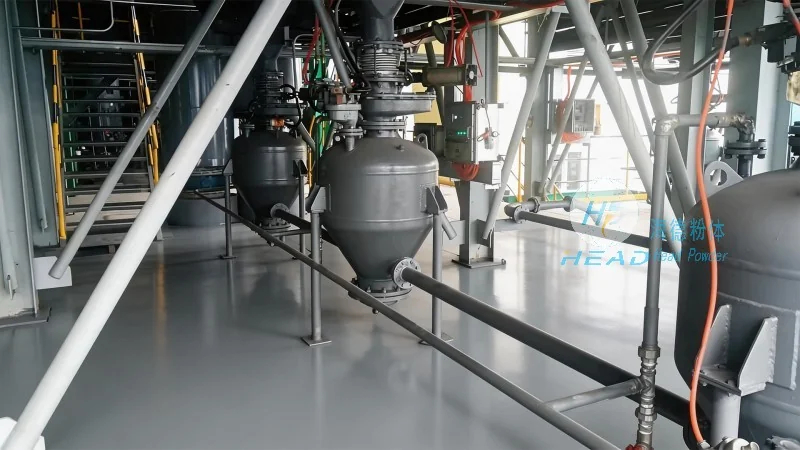
Applications and Industries Benefiting from Corn Stalk Conveying
Corn stalk material conveying is widely used in various agricultural and industrial applications, supporting the processing of corn stalks for different end uses. In the agricultural sector, conveying systems are used to transport corn stalks to baling facilities, where they are compressed into bales for storage or transport. This process is crucial for reducing the volume of the material and making it more manageable for subsequent use in animal bedding, mulch, or composting. The conveying systems must be capable of handling large volumes of stalks and maintaining consistent bale quality, which requires precise control over the feeding rate and conveyor speed. In the energy sector, corn stalks are often used as a biomass feedstock for biofuel production or power generation. Conveying systems are essential for transporting the stalks from storage to the processing plant, where they are converted into bioenergy. The design of these systems must consider the high volume and low density of the material, as well as the need for minimal energy consumption during transport. Additionally, in the composting industry, corn stalks are conveyed to composting facilities, where they are mixed with other organic materials to create high-quality compost. The conveying systems in this application must ensure that the material is evenly distributed and mixed with other components, which is critical for achieving optimal composting conditions.
Company Profile: Shandong HeadPowder Engineering Co., Ltd.
Shandong HeadPowder Engineering Co., Ltd., commonly known as HeadPowder, is a leading provider of engineering solutions for material handling and processing in the agricultural and industrial sectors. With a focus on innovation and customer-centric design, HeadPowder specializes in developing and manufacturing conveying systems tailored to the unique needs of corn stalk material handling. The company's expertise lies in understanding the challenges associated with handling fibrous and dry materials like corn stalks and designing systems that address these challenges effectively. HeadPowder's team of engineers and technicians work closely with clients to assess their specific requirements, from the scale of operation to the end-use of the material, and develop customized solutions that maximize efficiency and reliability. The company's facilities are equipped with advanced technology and testing capabilities, allowing for the development and validation of new conveying systems before deployment. HeadPowder's commitment to quality and customer satisfaction has made it a trusted partner for agricultural and industrial clients seeking reliable material handling solutions.




