What is Glutinous Rice Material Handling? And What Are Its Design Principles?
Release time:2026-09-15 19:01:16
name of the company:Shandong Headpowder Engineering Co., Ltd.
telephone:156-6277-7102
contacts:Zhang manager
Glutinous rice material handling refers to the process of transporting, storing, and managing glutinous rice, a type of rice with a sticky, gelatinous texture, through various industrial systems. This process is critical in food processing industries, particularly for manufacturers who produce products like rice cakes, sweet rice, and other glutinous rice-based goods. The efficiency of material handling directly impacts production speed, product quality, and overall operational costs. Understanding the design principles behind these systems is essential for optimizing workflow and ensuring consistent performance. In modern food processing facilities, these systems are often integrated with automation and control technologies to enhance precision and reduce human error, leading to higher productivity and lower risk of contamination.
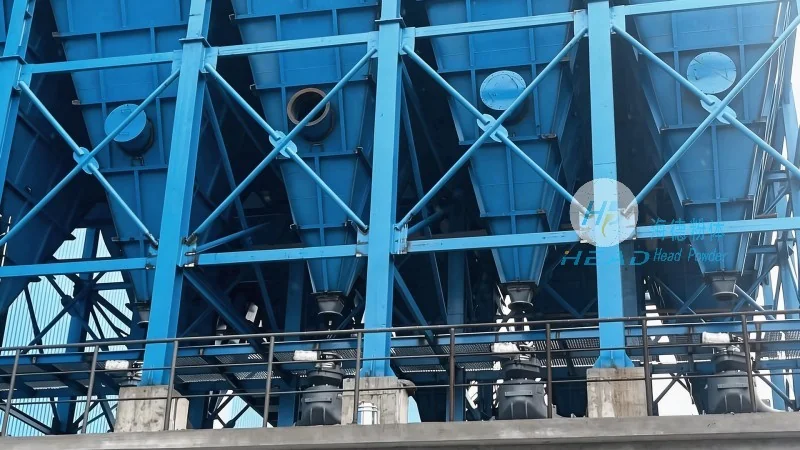
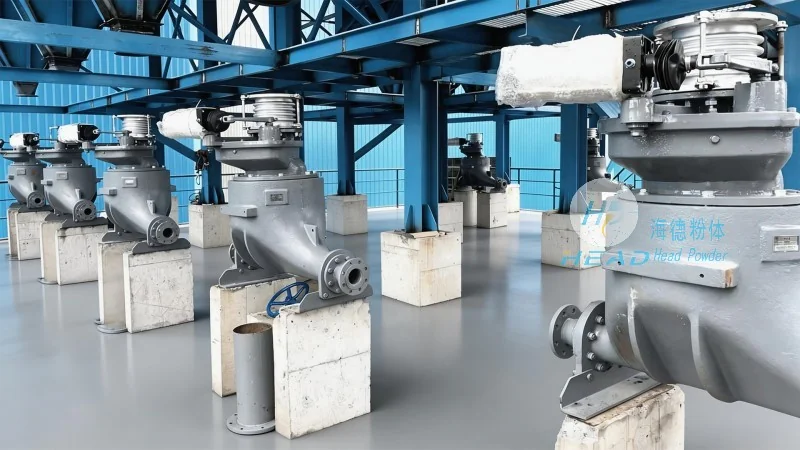
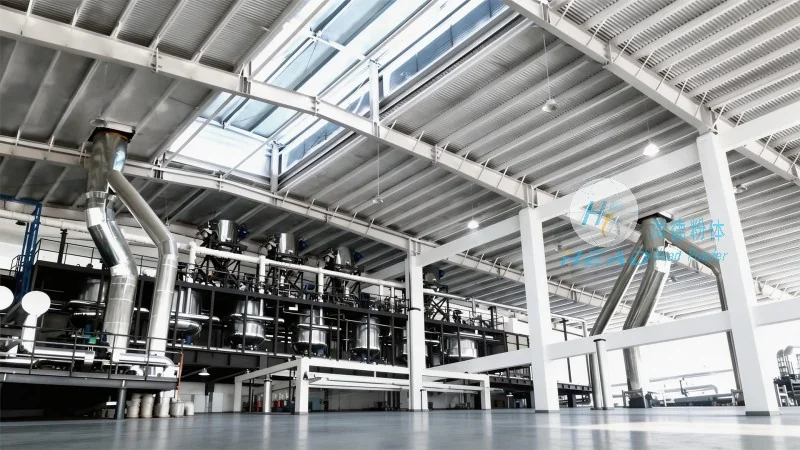
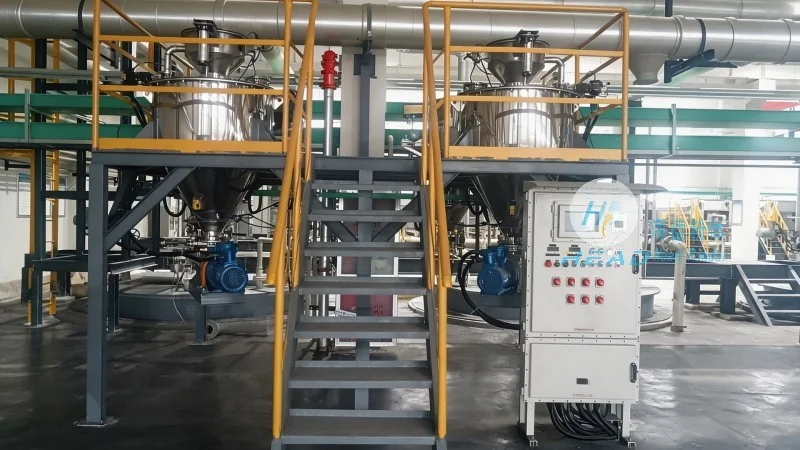
Key Components of Glutinous Rice Material Handling Systems
Effective glutinous rice material handling systems typically consist of several key components that work in tandem to move and process the rice. These components include feeders, conveyors, elevators, and storage silos. Each component plays a specific role in the material flow, from initial feeding to final storage or processing. For instance, feeders are used to regulate the flow of rice from bulk storage to the conveyor system, ensuring a consistent and controlled feed rate. This is particularly important for sticky materials like glutinous rice, as uneven feeding can lead to clogging or inconsistent product quality. Conveyors, such as belt conveyors or screw conveyors, then transport the rice through the processing line. Belt conveyors are commonly used for horizontal or slight incline transport, while screw conveyors are ideal for vertical or inclined transport due to their ability to handle sticky and granular materials without clogging. Elevators are employed to lift the rice to higher levels or to different parts of the facility, facilitating vertical movement. This is essential for multi-level production lines where the rice needs to be moved from ground level to upper processing stations. Storage silos are used to store the rice before or after processing, providing a buffer for production fluctuations. These silos are typically made of stainless steel or other food-grade materials to ensure hygiene and durability.
Design Principles for Efficient Glutinous Rice Handling
The design of glutinous rice material handling systems follows several fundamental principles aimed at maximizing efficiency and minimizing downtime. One key principle is the minimization of material handling steps. By reducing the number of transfers and movements, the system can achieve higher throughput and lower energy consumption. This principle is achieved through careful layout planning, where components are positioned to minimize the distance the rice travels. Another principle is the use of appropriate equipment for the specific characteristics of glutinous rice. Since glutinous rice has a sticky texture, equipment must be designed to prevent clogging and ensure smooth flow. This often involves using materials like stainless steel or special coatings that resist adhesion. For example, conveyor belts may be made of food-grade rubber with a textured surface to prevent rice from sticking and sliding off. Additionally, the design considers the hygienic requirements of food processing, ensuring that all components are easy to clean and maintain. This is critical for compliance with food safety regulations such as HACCP and FDA guidelines. The system should be designed with smooth surfaces and no crevices where rice can accumulate and become a breeding ground for bacteria.




