

What is Aluminum Dross Pneumatic Conveying, Classification and Applications of Pneumatic Conveying
Aluminum dross, a byproduct generated during aluminum smelting and processing, poses significant challenges in handling and recycling. Pneumatic conveying technology offers an efficient solution for transporting aluminum dross, enabling companies to manage this material effectively while optimizing operational processes. This article explores the fundamentals of aluminum dross pneumatic conveying, the classification of pneumatic conveying systems, and their practical applications in industrial settings.
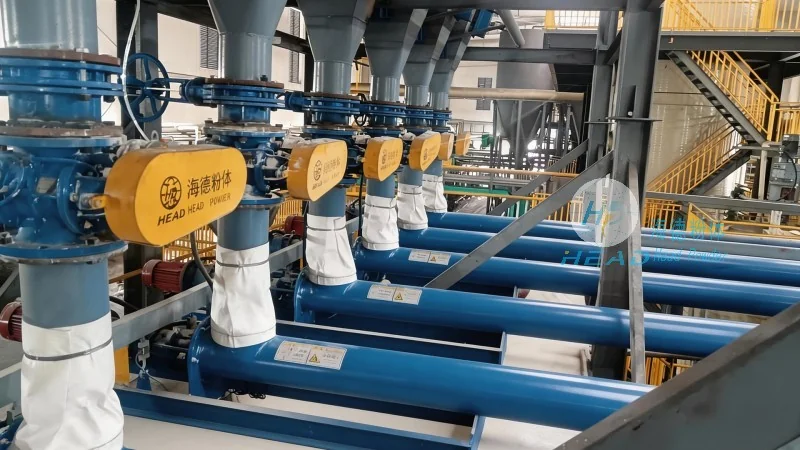
Understanding Aluminum Dross
Aluminum dross is a solid waste material composed primarily of aluminum oxides, metal particles, and other impurities formed during the melting and casting of aluminum. It is typically produced in high-temperature environments and requires specialized handling to prevent contamination and ensure safe processing. The characteristics of aluminum dross, such as its density, moisture content, and particle size distribution, play a crucial role in selecting the appropriate pneumatic conveying system. For instance, the high temperature and abrasive nature of aluminum dross necessitate materials that can withstand wear and thermal stress, making the choice of equipment critical for long-term performance.
Pneumatic Conveying Systems: Classification and Principles
Pneumatic conveying systems are categorized based on the air velocity and material flow characteristics. The two primary types are dilute-phase and dense-phase systems. Dilute-phase systems operate at higher air velocities, where the material is suspended in the air stream, allowing for long-distance transport with minimal pressure drops. This type is suitable for light materials like aluminum dross with low bulk density. Dense-phase systems, on the other hand, use lower air velocities and higher material concentrations, resulting in a plug-like flow. They are ideal for handling abrasive or sticky materials, as they reduce wear on equipment and minimize material degradation.
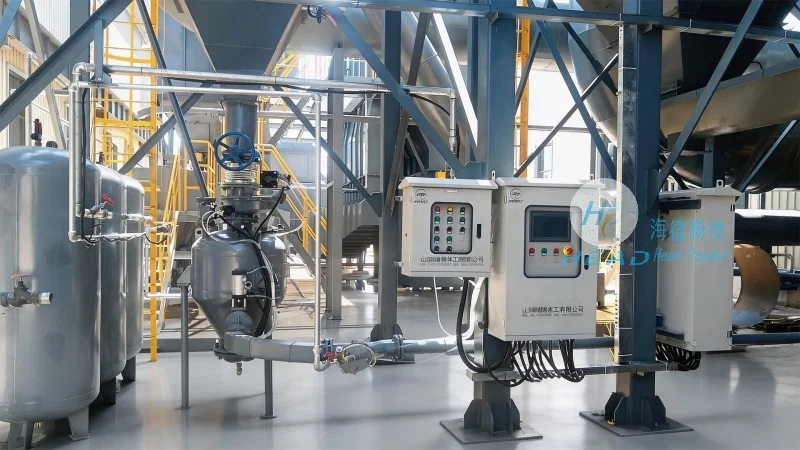
Key Components of Pneumatic Conveying for Aluminum Dross
The effectiveness of a pneumatic conveying system for aluminum dross depends on several key components. The feed hopper is responsible for storing and feeding the dross into the system, ensuring a consistent flow. The conveyor itself, which can be either positive or negative pressure, moves the material through the pipeline. Positive pressure systems use a blower to push air and material forward, while negative pressure systems use a vacuum to draw material into the system. For aluminum dross, positive pressure systems are often preferred due to their ability to handle abrasive materials and prevent dust emissions. The pipeline design, including the use of flexible hoses or rigid pipes, must be selected based on the material's properties and the required transport distance. Additionally, the system includes filters and cyclones to separate the material from the air, ensuring clean air discharge and preventing dust accumulation in the system.
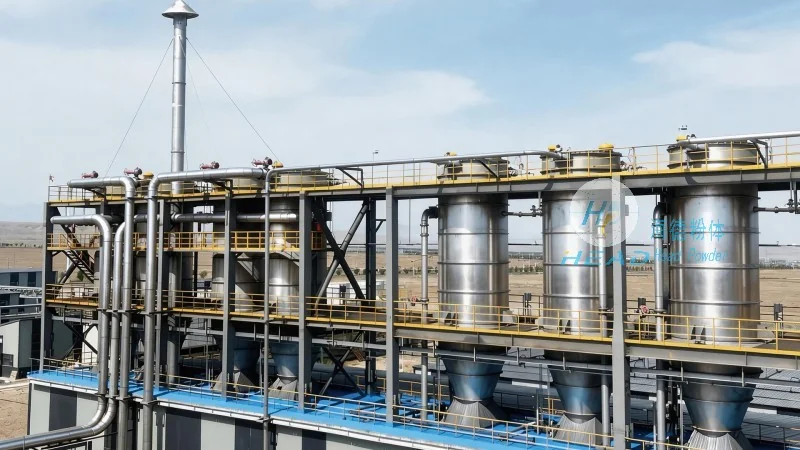
Applications of Pneumatic Conveying in Aluminum Dross Processing
Pneumatic conveying is widely used in the aluminum industry for various applications, including dross recycling, material transport between processing stages, and waste management. In dross recycling plants, the system transports dross from collection points to melting furnaces, where it is reprocessed into aluminum. This process reduces waste and improves the overall efficiency of the aluminum production cycle. Additionally, pneumatic conveying can be used to transport dross to storage facilities or to other processing units, such as dross treatment plants, where it is further processed to recover valuable aluminum and other metals. The flexibility of pneumatic conveying systems allows them to be integrated into existing production lines, minimizing downtime and enhancing operational efficiency.
Benefits of Using Pneumatic Conveying for Aluminum Dross
Implementing pneumatic conveying systems for aluminum dross offers several advantages. First, it provides a dust-free and safe handling method, reducing the risk of respiratory issues and environmental contamination. Unlike traditional methods like bucket elevators or belt conveyors, pneumatic systems eliminate the need for manual handling, which is particularly important for abrasive materials like aluminum dross. Second, pneumatic conveying is highly efficient in terms of energy consumption and material transport. The system can transport large volumes of dross over long distances with minimal pressure drops, reducing the need for additional equipment or power. Third, the technology is versatile and can be adapted to various production requirements, making it suitable for both small-scale and large-scale aluminum processing facilities. Finally, the system improves operational safety by reducing the risk of material spillage and equipment damage, leading to lower maintenance costs and increased productivity.