

Main Structures of Lithium Iron Phosphate Pneumatic Conveying Systems
When it comes to handling lithium iron phosphate (LiFePO₄) materials, especially in industrial applications, the choice of pneumatic conveying structure is critical. The right system ensures efficient material transport, minimal product degradation, and compliance with safety standards. This article explores the primary structures used for LiFePO₄ pneumatic conveying, highlighting their features and applications.
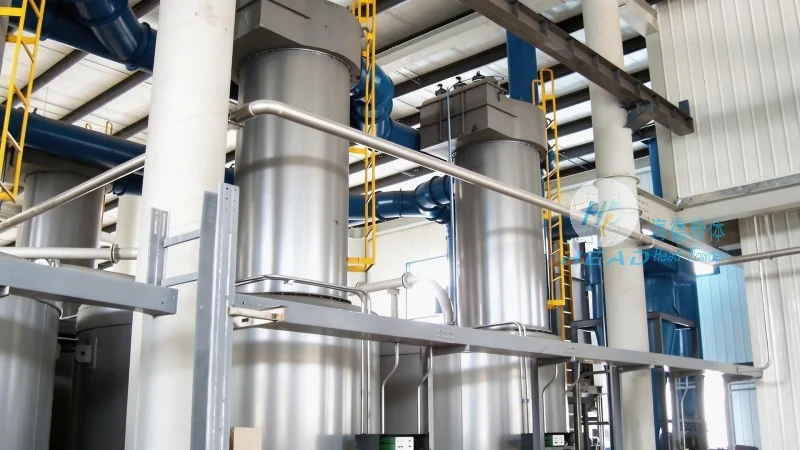
Key Factors Influencing Pneumatic Conveying Structure Selection
Before delving into specific structures, it's essential to understand the factors that influence their selection. These include material properties (such as particle size, moisture content, and abrasiveness), production capacity requirements, space constraints, and environmental considerations. For LiFePO₄, which is often used in battery manufacturing, the conveying system must maintain product purity and prevent contamination. The company, Shandong HeadPowder Engineering Co., Ltd., specializes in designing and manufacturing such systems tailored to these needs.
1. Positive Pressure Pneumatic Conveying System
The positive pressure system operates by blowing air or gas into the conveying line, creating a pressure higher than the ambient air. This method is suitable for transporting fine powders like LiFePO₄, as it provides consistent flow and can handle long distances. The system typically includes a blower, a hopper, a feeder, and a receiver. The blower generates the necessary pressure, while the feeder controls the material flow rate. The receiver collects the conveyed material and may include a dust collection system to ensure environmental compliance. This structure is ideal for applications where the material is sensitive to moisture or where the conveying distance is significant.
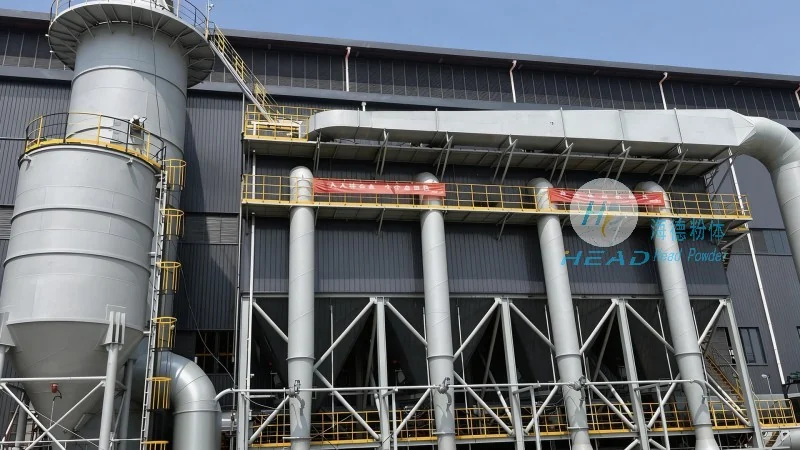
2. Negative Pressure (Vacuum) Pneumatic Conveying System
Conversely, the negative pressure system uses a vacuum to draw material from the source into the conveying line. It's particularly useful for short to medium distances and when the material is to be transported from multiple points. The system comprises a vacuum pump, a hopper, a feeder, and a receiver. The vacuum pump creates the negative pressure, and the feeder regulates the material flow. This method is effective for handling LiFePO₄ powders that are prone to static charge, as the vacuum helps to neutralize static electricity. The receiver may also include a filter to capture fine particles and prevent them from escaping into the environment. The negative pressure system is often chosen for applications where the material needs to be transported from a central point to multiple destinations.
3. Hybrid Pneumatic Conveying System
A hybrid system combines elements of both positive and negative pressure systems. It may use a positive pressure section for the initial transport and a negative pressure section for the final delivery, or vice versa. This approach is beneficial when the conveying distance is long and involves changes in elevation or multiple transfer points. For LiFePO₄ applications, a hybrid system can optimize energy consumption and maintain material quality. The system might include a blower at the start, a vacuum pump at the end, and intermediate transfer points. The company, Shandong HeadPowder Engineering Co., Ltd., offers customized hybrid solutions to meet specific operational requirements.
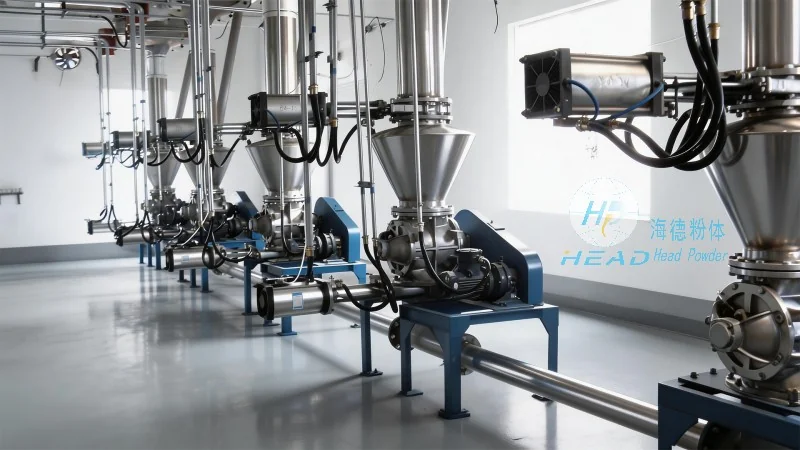
4. Dilute Phase Pneumatic Conveying System
In a dilute phase system, the material is suspended in a high-velocity air stream, with a low solid-to-gas ratio. This method is suitable for transporting fine powders like LiFePO₄ over long distances with minimal pressure drop. The system uses a high-capacity blower to generate the necessary velocity, and the conveying line is designed to maintain the material in suspension. The receiver is equipped with a cyclone separator to separate the material from the air stream. The dilute phase system is efficient for high-volume applications and is commonly used in battery material processing plants. It ensures consistent material flow and reduces the risk of blockages in the conveying line.
5. Dense Phase Pneumatic Conveying System
Conversely, the dense phase system operates at a lower velocity and higher solid-to-gas ratio, resulting in a more compact material flow. This method is ideal for transporting abrasive or sensitive materials, such as LiFePO₄, where product degradation must be minimized. The system uses a blower to create a moderate pressure, and the material is conveyed in a slug or plug flow. The receiver may include a surge tank to accommodate variations in material flow. The dense phase system is particularly useful for applications where the material is prone to caking or where the conveying distance is short. It provides better control over the material's velocity and reduces the risk of material degradation.