Resin particle pneumatic conveying systems represent a sophisticated method for transporting resin particles through a pipeline using compressed air or other gas as the conveying medium. This technology is widely employed in various industrial applications, particularly in the chemical and manufacturing sectors, where efficient and reliable material handling is critical. The system operates by creating a pressure differential that propels the resin particles along the pipeline, ensuring smooth and continuous movement from the source to the destination. HeadPowder, a leading provider of engineering solutions, specializes in designing and manufacturing such systems to meet the diverse needs of industrial clients.
Core Components and Their Functions
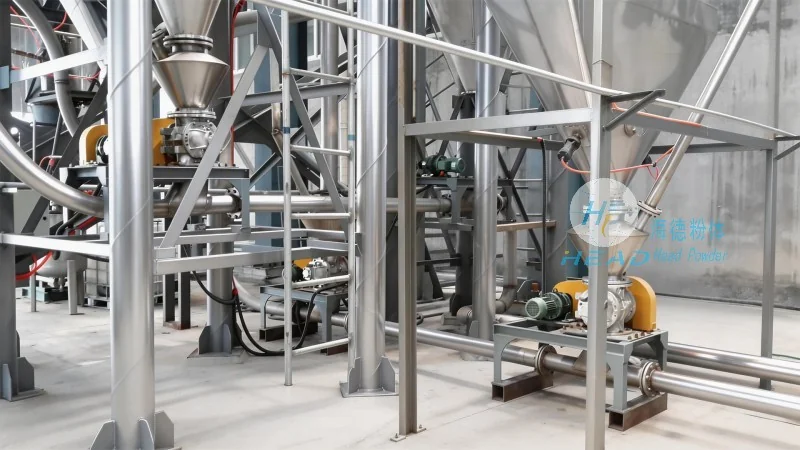
The resin particle pneumatic conveying system consists of several key components, each playing a vital role in the overall operation. The primary components include the material hopper, which serves as the storage and feeding unit for the resin particles. The hopper is equipped with a feeder mechanism, such as a rotary valve or a screw feeder, that controls the flow rate of the resin particles into the system. This ensures a consistent and controlled supply of material to the conveying line. Next, the pipeline system forms the backbone of the conveying process. It is typically made of materials like stainless steel or plastic, chosen for their resistance to corrosion and wear from the resin particles. The pipeline is designed with appropriate bends and fittings to guide the particles along the desired path, minimizing friction and energy loss. The system also includes a gas source, usually a compressor, which provides the necessary pressure to move the particles through the pipeline. At the receiving end, a receiver or silo is used to collect the conveyed resin particles. This component is often equipped with a discharge valve or a rotary valve to regulate the outflow of the material. Additionally, a filter or separator may be integrated into the system to remove any entrained air or dust from the resin particles, ensuring the material is delivered in a clean and consistent state.
Working Principle of Pneumatic Conveying
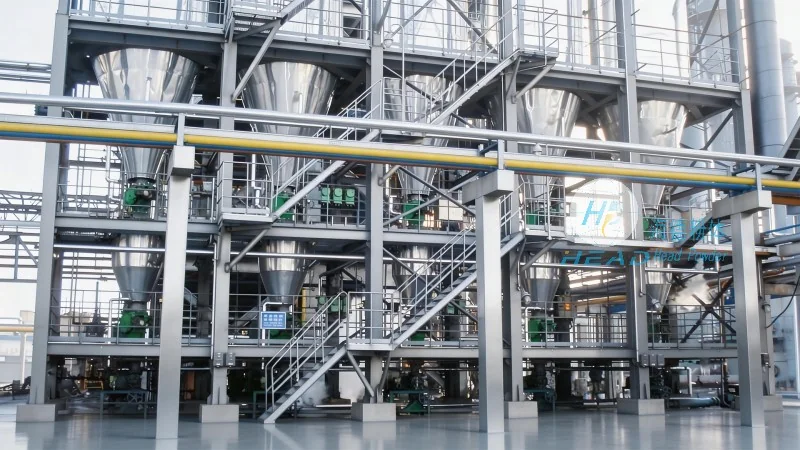
The fundamental principle behind resin particle pneumatic conveying is the use of differential pressure to transport the particles. In a typical system, the material hopper is connected to the pipeline, and the feeder releases the resin particles into the pipeline. Simultaneously, the compressor supplies compressed air into the pipeline, creating a high-pressure environment. As the air flows through the pipeline, it entrains the resin particles, forming a slurry-like mixture. This mixture is then propelled forward by the pressure differential, moving from the hopper to the receiver. There are two main types of pneumatic conveying systems: pressure and vacuum. In a pressure system, the entire pipeline is maintained at a pressure higher than the ambient air pressure, and the compressor is located at the material inlet. This type is suitable for long-distance or high-capacity conveying. In a vacuum system, the compressor is located at the receiving end, and the pipeline is maintained at a lower pressure than the ambient air. This method is often used for shorter distances or when the material needs to be transported from multiple sources to a single destination. The efficiency of the system depends on several factors, including the particle size, density, and shape of the resin particles, as well as the air velocity and pressure. Proper design and operation of the system are crucial to ensure optimal performance and minimize energy consumption. For resin particles, which are often fine and abrasive, the system must be designed to handle these characteristics, preventing clogging or damage to the equipment.
Advantages of Resin Particle Pneumatic Conveying
Resin particle pneumatic conveying systems offer several advantages over traditional material handling methods. One of the key benefits is the ability to transport materials in a closed system, which helps to prevent contamination and dust emissions. This is particularly important for resin particles, which can be hazardous if released into the environment. The closed system also ensures that the material remains clean and free from external contaminants, maintaining its quality and consistency. Another advantage is the high conveying capacity and speed. The system can transport large quantities of resin particles over long distances in a short period, improving production efficiency and reducing downtime. The continuous operation of the system also minimizes the need for manual handling, enhancing safety in the workplace. Additionally, the system is flexible and can be easily integrated into existing production lines, allowing for seamless material flow from one process to another. The system also offers cost savings in terms of energy and maintenance. By using compressed air as the conveying medium, the system eliminates the need for mechanical conveyors, which require regular maintenance and can be prone to breakdowns. The closed system reduces the need for cleaning and maintenance, as the particles are contained within the pipeline. This results in lower operational costs and increased reliability over time.
Applications in Industrial Settings
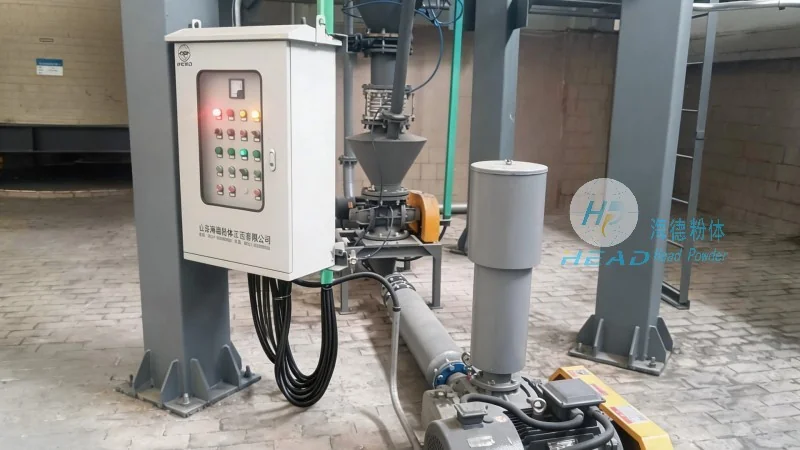
Resin particle pneumatic conveying systems are widely used in various industrial applications, particularly in the chemical and manufacturing industries. One common application is in the production of resin-based products, such as plastics and composites. The system is used to transport resin particles from storage tanks to processing equipment, ensuring a consistent supply of material for production. In the pharmaceutical industry, the system is used to transport fine resin particles used in drug manufacturing, ensuring that the material is handled in a sterile and controlled environment. The closed system helps to prevent contamination and maintain the quality of the drug ingredients. Additionally, the system is used in the food industry for transporting resin particles used in food packaging, ensuring that the material is handled in a hygienic manner. Other applications include the transportation of resin particles in the construction industry, where they are used as raw materials for various building materials. The system is also used in the electronics industry for transporting resin particles used in the production of circuit boards and other electronic components. In all these applications, the resin particle pneumatic conveying system provides an efficient and reliable method for material handling, ensuring that the production process runs smoothly and efficiently.




