Understanding the core principles of a quicklime powder pneumatic conveying system is essential for industries that rely on efficient material handling solutions. This article provides a detailed exploration of the system's operation, components, and practical applications, tailored for professionals seeking to enhance their material transport processes.
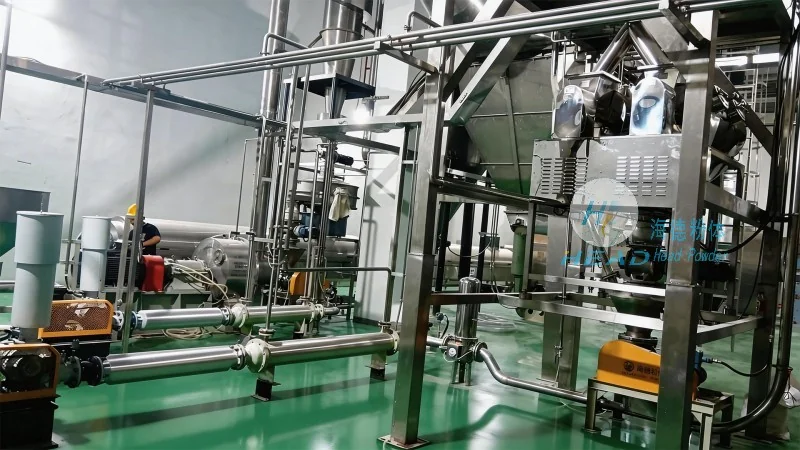
Introduction to Quicklime Powder Pneumatic Conveying
Quicklime powder, also known as calcium oxide (CaO), is a widely used industrial material in sectors such as construction, chemical manufacturing, and environmental remediation. The efficient and safe transportation of quicklime powder from storage to processing units is critical for maintaining operational efficiency and product quality. Pneumatic conveying systems offer a reliable solution to this challenge by utilizing air as the conveying medium to transport dry powders like quicklime powder over long distances with minimal loss and contamination.
Key Components of the Pneumatic Conveying System
The quicklime powder pneumatic conveying system consists of several interconnected components that work in harmony to achieve effective material transport. These components include the material hopper, feeder, air compressor, conveying pipeline, and receiving hopper. Each component plays a vital role in the overall system performance:
1. Material Hopper: This is the initial storage unit where quicklime powder is held before being fed into the system. The hopper is designed to maintain a consistent material level and prevent caking or bridging, which could disrupt the feeding process.
2. Feeder: The feeder is responsible for controlling the flow rate of quicklime powder from the hopper into the conveying pipeline. Common types of feeders include rotary valves, screw feeders, and vibratory feeders, each offering advantages in terms of flow control and material compatibility.
3. Air Compressor: The air compressor generates the necessary air pressure to move the quicklime powder through the pipeline. The choice of compressor type, such as positive displacement or centrifugal, depends on the system's capacity, pressure requirements, and operational environment.
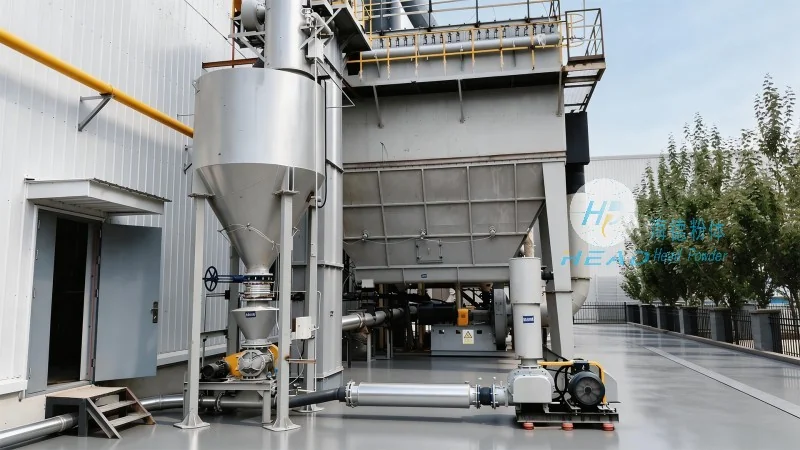
4. Conveying Pipeline: The pipeline is the main pathway for transporting quicklime powder. It is typically made of materials like stainless steel or plastic, chosen for their resistance to corrosion and wear from the quicklime powder. The pipeline design, including bends and elbows, is optimized to minimize pressure drop and ensure smooth material flow.
5. Receiving Hopper: The receiving hopper collects the quicklime powder at the destination point, such as a processing plant or storage area. It is equipped with a discharge valve to control the material release and prevent backflow.
Working Principle of the Pneumatic Conveying System
The operation of the quicklime powder pneumatic conveying system is based on the principle of air flow and particle suspension. When the air compressor starts, it generates high-pressure air that enters the conveying pipeline. The feeder then introduces quicklime powder into the pipeline, where the air flow lifts and suspends the powder particles, creating a slurry-like mixture. This mixture travels through the pipeline to the receiving hopper, where the air is separated from the powder and discharged through a filter or cyclone. The separated air is then returned to the compressor or released to the atmosphere, depending on the system design.
Advantages of Quicklime Powder Pneumatic Conveying
Implementing a pneumatic conveying system for quicklime powder offers several advantages over traditional methods like bucket elevators or belt conveyors. These benefits include:
1. Reduced Material Loss and Contamination: Pneumatic conveying minimizes product loss during transport, as the material is enclosed within the pipeline, preventing exposure to external elements or contamination from other materials.
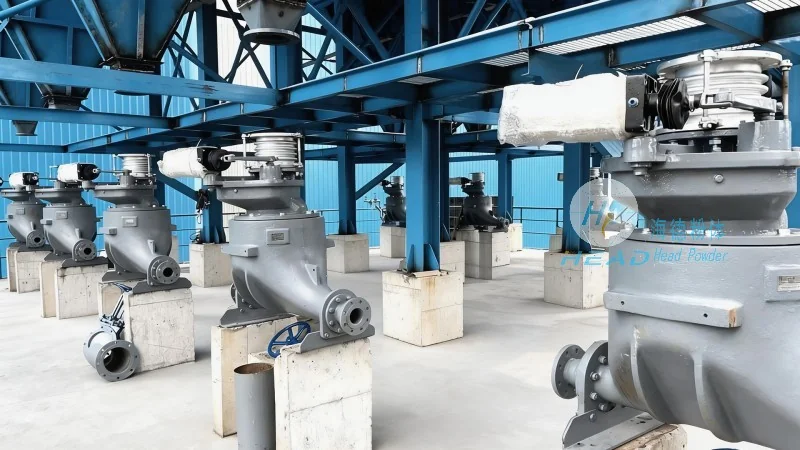
2. Lower Maintenance Costs: Compared to mechanical conveyors, pneumatic systems have fewer moving parts, resulting in lower maintenance requirements and reduced downtime.
3. Flexibility in Layout: The system can be easily reconfigured or expanded to accommodate changes in production needs or facility layout, as the pipeline can be installed in various configurations without major structural modifications.
4. Improved Safety: By eliminating the need for manual handling of quicklime powder, the system reduces the risk of dust exposure and related health hazards, enhancing workplace safety.
Applications and Considerations
Quicklime powder pneumatic conveying systems are widely used in various industrial applications, including:
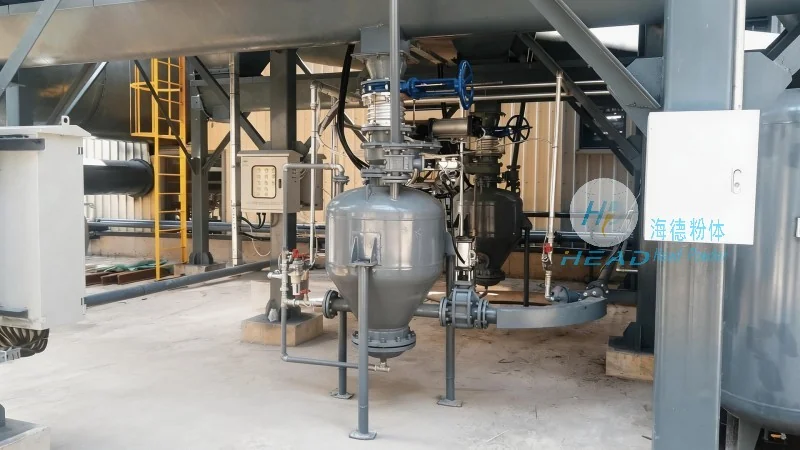
1. Construction Materials Manufacturing: In the production of cement, mortar, and other building materials, quicklime powder is transported from storage to mixing units efficiently.
2. Chemical Processing: In chemical plants, quicklime is used as a neutralizing agent or raw material, and the pneumatic system ensures safe and reliable transport to reactors.
3. Environmental Remediation: For treating acidic wastewater or soil, quicklime powder is conveyed to treatment facilities where it reacts with pollutants.
When selecting a pneumatic conveying system for quicklime powder, several factors should be considered, including the material's properties (such as particle size, density, and moisture content), the required conveying distance and capacity, and the environmental regulations governing dust control and emissions.
Conclusion
The quicklime powder pneumatic conveying system is a sophisticated and efficient solution for transporting dry powders in industrial settings. By understanding its components, working principles, and advantages, businesses can optimize their material handling processes, enhance operational efficiency, and ensure compliance with safety and environmental standards. For industries seeking reliable and cost-effective solutions for quicklime powder transport, the pneumatic conveying system remains a top choice.




