HeadPowder, a leading engineering firm based in Shandong, China, specializes in the design and implementation of advanced pneumatic conveying systems for calcium carbonate powder. This article delves into the fundamental principles behind such systems, offering a comprehensive understanding of their operation, benefits, and key components.
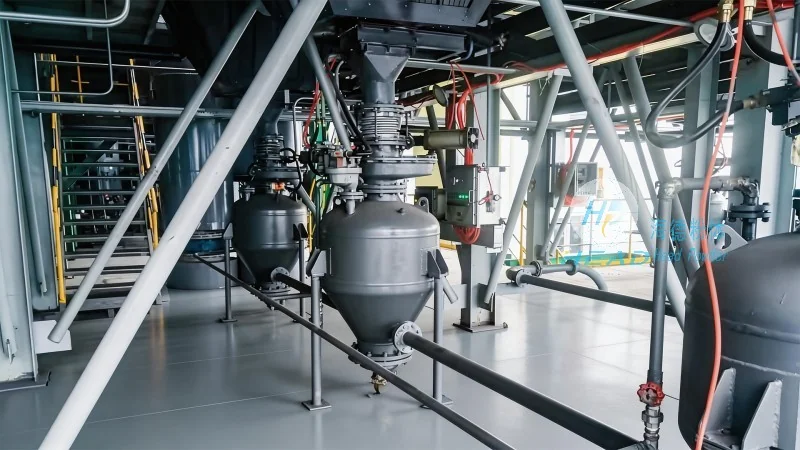
Overview of Pneumatic Conveying Systems
Pneumatic conveying systems are industrial processes that use pressurized air or vacuum to transport bulk materials like calcium carbonate powder from one location to another. These systems are widely used in various industries due to their efficiency, flexibility, and ability to handle materials that are difficult to transport using traditional methods. The core of a pneumatic conveying system lies in its ability to convert the kinetic energy of the conveying medium (air) into the necessary force to move the powder particles through a pipeline network.
Key Components of a Calcium Carbonate Powder Pneumatic Conveying System
The effective operation of a calcium carbonate powder pneumatic conveying system relies on several critical components, each playing a vital role in the overall process. These components include the material feed hopper, which stores and feeds the powder into the system; the air compressor or vacuum pump, which generates the necessary pressure or vacuum to move the material; the conveying pipeline, which serves as the pathway for the powder and air mixture; the separation equipment, such as cyclones or filters, which separates the powder from the air at the receiving end; and the control system, which monitors and regulates the entire process to ensure optimal performance.
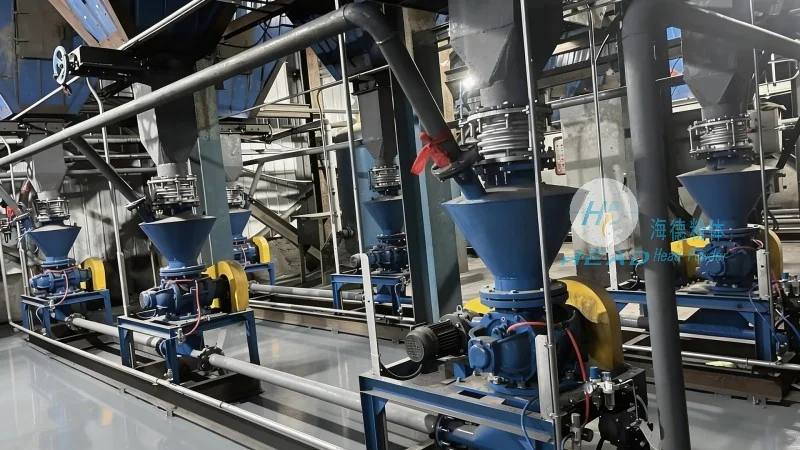
The Working Principle of Pneumatic Conveying
The principle of pneumatic conveying for calcium carbonate powder involves the creation of a flow of air within a pipeline. When air is introduced into the system under pressure, it interacts with the powder particles, lifting them and transporting them along the pipeline. This process can be categorized into two main types: pressure conveying and vacuum conveying. In pressure conveying, air is pumped into the system at the feed end, creating a high-pressure environment that pushes the powder forward. Conversely, vacuum conveying uses a vacuum pump to create a low-pressure zone at the receiving end, drawing the powder and air mixture through the pipeline.
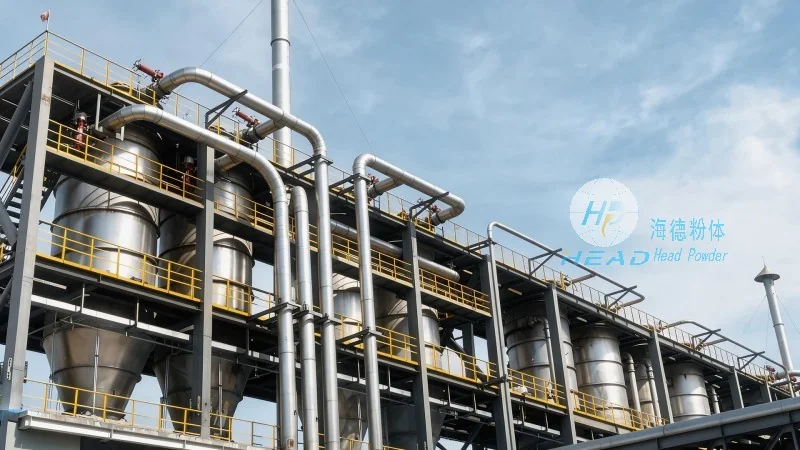
Advantages of Pneumatic Conveying for Calcium Carbonate Powder
Implementing a pneumatic conveying system for calcium carbonate powder offers numerous advantages over traditional methods like belt conveyors or bucket elevators. One of the primary benefits is the ability to handle fine powders without the risk of clogging or material degradation. The enclosed system also minimizes dust emissions, improving workplace safety and environmental compliance. Additionally, pneumatic conveying systems are highly flexible, allowing for changes in material flow rates and destinations without significant modifications to the infrastructure. They also reduce the need for manual handling, enhancing operational efficiency and reducing labor costs.
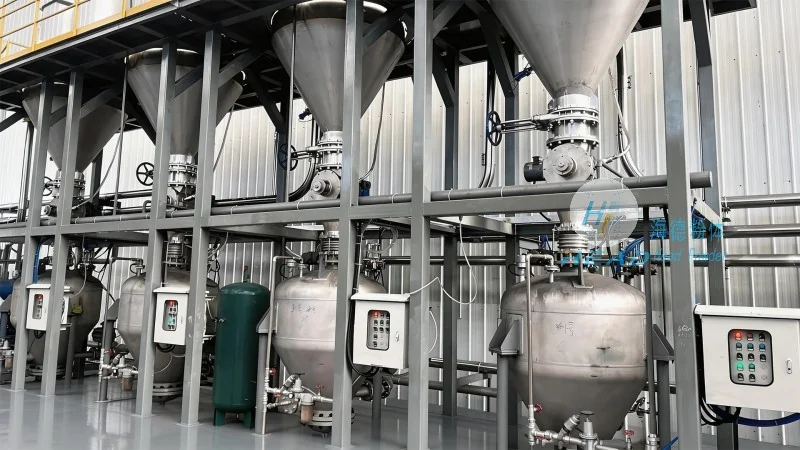
Application Scenarios and Considerations
Calcium carbonate powder pneumatic conveying systems are commonly employed in industries such as plastics, paper, coatings, and construction. The choice of system type (pressure or vacuum) depends on factors like the distance to be covered, the material's properties (e.g., particle size, moisture content), and the required flow rate. For instance, pressure conveying is often preferred for long-distance transport, while vacuum conveying is suitable for shorter distances or when the material needs to be collected from multiple points. Proper system design and maintenance are crucial to ensure consistent performance and prevent issues like blockages or air leaks, which can impact the overall efficiency of the process.
Conclusion
Understanding the principle of calcium carbonate powder pneumatic conveying systems is essential for optimizing material handling processes in various industrial applications. By leveraging the advanced engineering solutions provided by companies like Shandong HeadPowder Engineering Co., Ltd., industries can enhance their operational efficiency, improve safety standards, and achieve cost-effective material transport solutions. The integration of robust components and intelligent control systems ensures that these systems operate reliably, delivering consistent performance and supporting the continuous growth of industrial operations.




