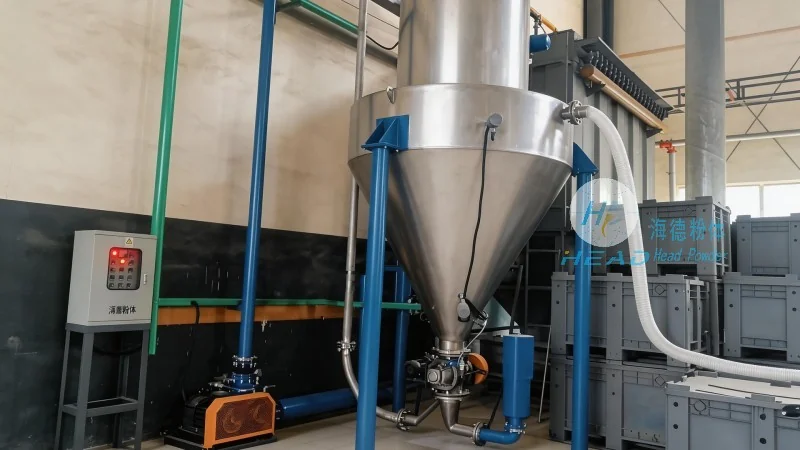
HeadPowder, a leading manufacturer based in Shandong, China, specializes in the design and production of advanced pneumatic conveying systems tailored for various industrial applications. This article provides a comprehensive overview of dry limestone pneumatic conveying equipment, focusing on its structural design and operational principles to help potential clients understand its functionality and benefits.
Company Profile and Background
HeadPowder Engineering Co., Ltd. is a reputable enterprise dedicated to delivering high-quality industrial equipment solutions. With a strong commitment to innovation and precision engineering, the company has established itself as a trusted provider in the field of material handling systems. HeadPowder's headquarters is located in Shandong, China, where the company leverages local expertise and resources to develop cutting-edge technologies for pneumatic conveying applications.
Understanding Dry Limestone Pneumatic Conveying
Dry limestone, a crucial raw material in many industrial processes such as cement production and chemical manufacturing, requires efficient and reliable transportation methods to maintain quality and minimize operational disruptions. Pneumatic conveying systems offer an effective solution by utilizing air to transport dry limestone particles through a closed pipeline system. This method not only enhances material handling efficiency but also reduces the risk of dust contamination and environmental impact compared to traditional methods like belt conveyors or bucket elevators.
Key Structural Components of the Pneumatic Conveying System
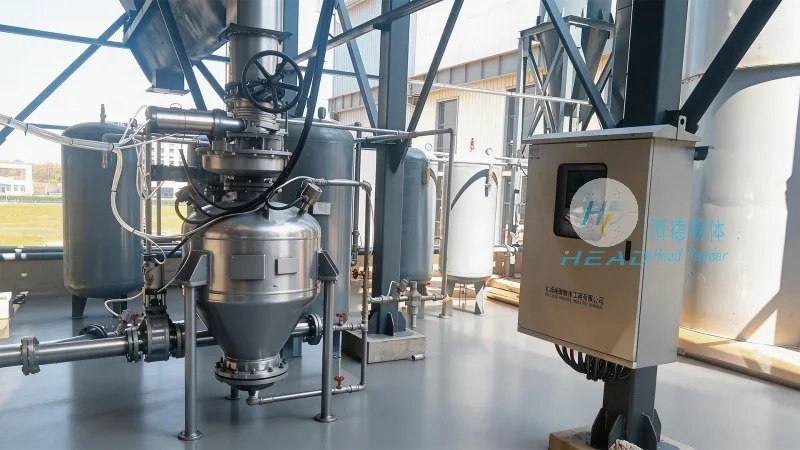
The dry limestone pneumatic conveying equipment consists of several critical components that work in harmony to ensure smooth material transport. The main structural elements include the hopper, which serves as the material storage and feeding unit; the air compressor, responsible for generating the necessary air pressure to move the limestone; the pipeline network, which forms the path for material and air flow; and the control system, which monitors and regulates the conveying process to maintain optimal performance.
Working Principle of the Pneumatic Conveying Process
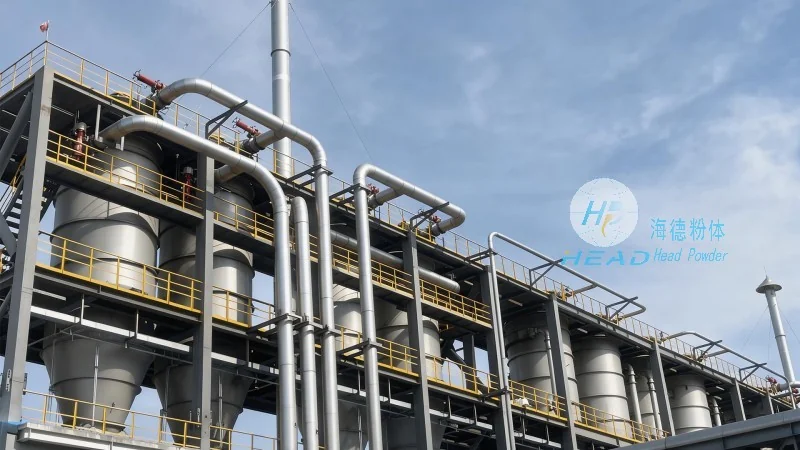
The operation of the dry limestone pneumatic conveying system begins with the material being fed into the hopper. As the material accumulates, it is gradually released into the pipeline through a rotary valve or feeder. Simultaneously, the air compressor generates high-pressure air that is introduced into the pipeline. The air and limestone particles mix, creating a slurry-like flow that propels the material forward through the system. The control system continuously adjusts the air pressure and flow rate to ensure consistent material transport, preventing blockages and maintaining system efficiency.
Advantages of Dry Limestone Pneumatic Conveying Equipment
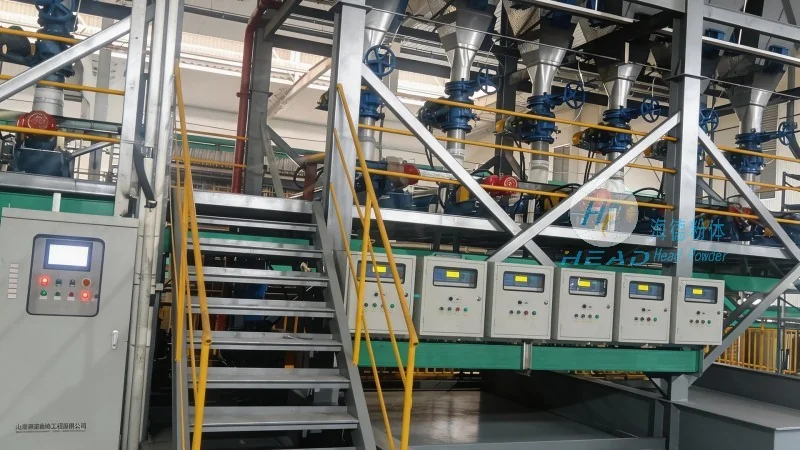
Implementing dry limestone pneumatic conveying equipment offers numerous advantages for industrial operations. Firstly, it significantly improves material handling speed and throughput, allowing for higher production rates in cement plants and chemical facilities. Secondly, the enclosed system minimizes dust emissions, contributing to better workplace safety and compliance with environmental regulations. Additionally, the system reduces maintenance costs by eliminating the need for frequent cleaning and replacement of conveyor components, as the material is transported without direct contact with mechanical parts. Finally, the flexibility of pneumatic conveying allows for easy integration with existing production lines and adaptability to varying material volumes.
Application Scenarios and Industry Impact
Dry limestone pneumatic conveying equipment is widely used in various industrial sectors, particularly in the cement industry where limestone is a primary raw material. The equipment is also applicable in chemical manufacturing, mining operations, and other industries that require the efficient transport of dry powders. By optimizing material handling processes, these systems contribute to increased productivity, reduced operational costs, and enhanced safety in industrial environments. HeadPowder's expertise in designing customized pneumatic conveying solutions ensures that clients can achieve optimal performance tailored to their specific operational needs.




