Limestone powder is a widely utilized material across various industrial sectors, including construction, chemical production, and environmental remediation. The efficient and reliable transportation of limestone powder from storage to processing units is critical for sustaining production efficiency and ensuring product quality. Pneumatic conveying equipment provides a solution by leveraging air as the conveying medium to transport dry powders such as limestone powder. This article delves into the fundamental principles underlying limestone powder pneumatic conveying systems, highlighting key components, operational mechanisms, and practical considerations for effective implementation.
Core Components of Limestone Powder Pneumatic Conveying Systems
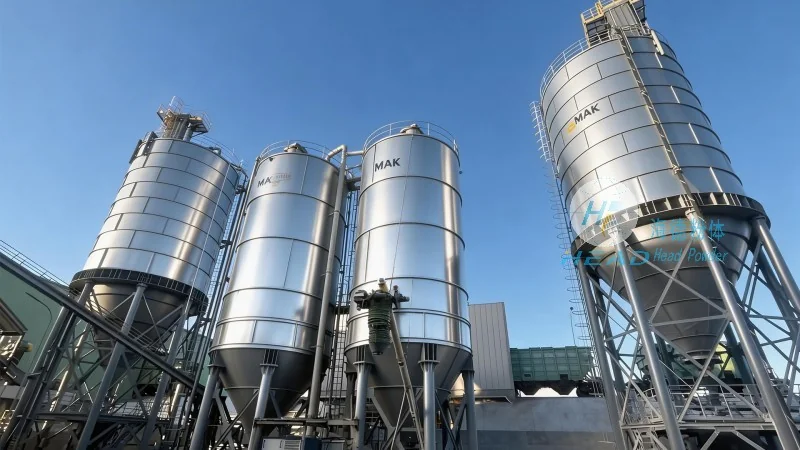
A typical limestone powder pneumatic conveying system comprises several essential elements that collaborate to achieve material transport. The primary components include a hopper or silo for material storage, a feeder to regulate the flow rate of limestone powder, a conveying pipeline, a compressor or blower to generate the necessary air pressure, and a receiver or collection tank at the destination. Each component plays a pivotal role in the overall performance and efficiency of the system, ensuring smooth and uninterrupted material movement.
Working Mechanism of Pneumatic Conveying for Limestone Powder
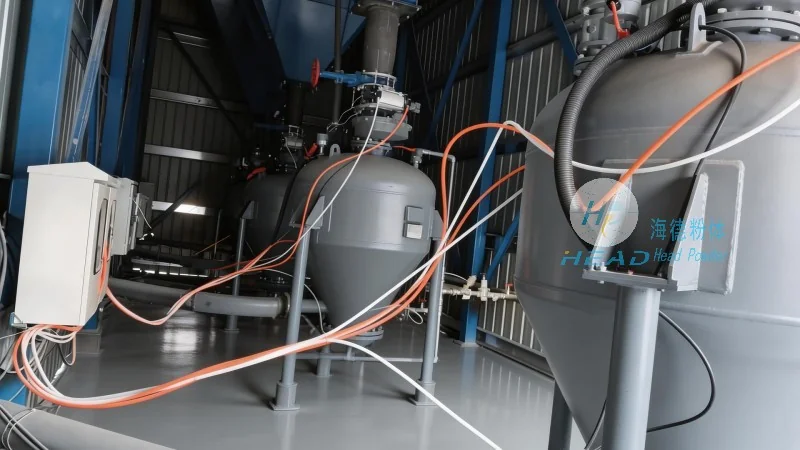
The fundamental principle of pneumatic conveying involves using air to suspend and transport dry powder particles through a pipeline. In the case of limestone powder, the system operates by introducing compressed air into the material at the hopper. The air flow lifts and transports the powder particles through the conveying line. The air velocity and particle size of the limestone powder are critical factors that determine the effectiveness of the conveying process. Proper air velocity ensures that powder particles are fully suspended and moved efficiently without causing blockages or excessive pressure drops within the pipeline.
Different Types of Pneumatic Conveying Systems for Limestone Powder
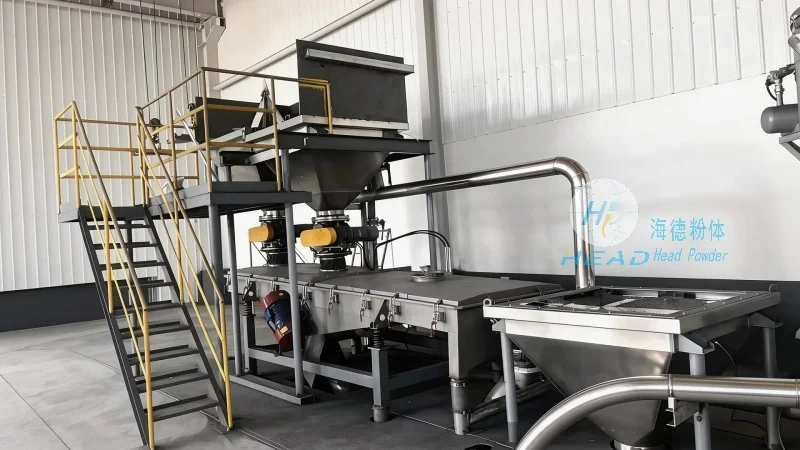
Two main types of pneumatic conveying systems are commonly used for limestone powder: dilute phase and dense phase. Dilute phase systems operate at higher air velocities, typically with particle concentrations below 10% by volume, and are suitable for short to medium transport distances. Dense phase systems, conversely, operate at lower air velocities and higher particle concentrations, making them ideal for longer distances and more challenging applications. The selection between these systems depends on factors such as the distance to be covered, required flow rate, and the specific characteristics of the limestone powder being conveyed.
Advantages of Pneumatic Conveying for Limestone Powder Handling
Pneumatic conveying offers several advantages over traditional mechanical conveying methods for limestone powder. These include the ability to transport materials over long distances without intermediate transfer points, reduced risk of contamination and product degradation, and enhanced safety by eliminating manual handling of powders. Additionally, pneumatic systems can be designed to accommodate varying flow rates and particle sizes, providing flexibility in industrial applications. The use of compressed air also facilitates integration of dust collection and filtration systems, ensuring compliance with environmental regulations and maintaining a clean working environment.
Operational Considerations and Maintenance Practices
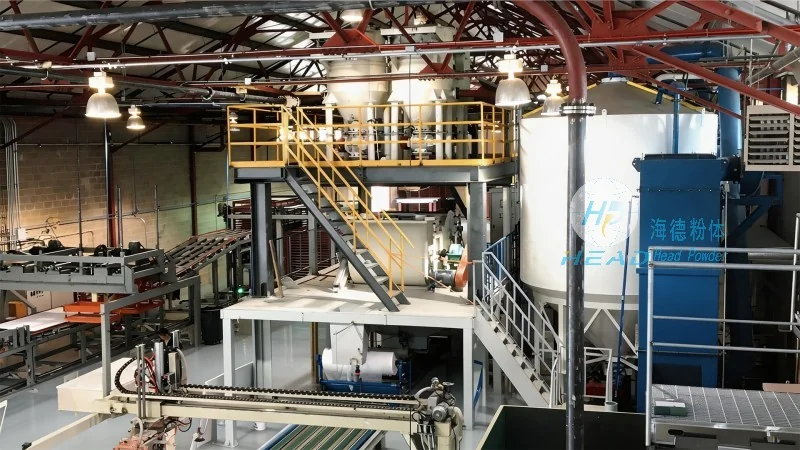
Proper operation and maintenance of limestone powder pneumatic conveying equipment are essential for maximizing efficiency and minimizing downtime. Key operational considerations include maintaining the correct air pressure and flow rate, ensuring the feeder is properly adjusted to prevent overloading or underloading, and monitoring the system for any signs of blockages or pressure drops. Regular maintenance, such as cleaning the conveying line, checking for air system leaks, and inspecting the feeder and hopper for wear and tear, is crucial to prevent system failures and extend equipment lifespan. Proper maintenance also helps ensure consistent material flow and prevents product quality issues.
About Shandong HeadPowder Engineering Co., Ltd.
Shandong HeadPowder Engineering Co., Ltd., operating under the brand name headpowder, is a leading manufacturer and supplier of pneumatic conveying equipment for industrial applications. With a focus on innovation and quality, the company provides comprehensive solutions for the transportation of dry powders, including limestone powder. Headpowder's expertise lies in designing and manufacturing customized pneumatic conveying systems tailored to client-specific needs, ensuring reliable and efficient material handling. The company's commitment to customer satisfaction and technical excellence has established it as a trusted partner in the industry.
Contact Information
For inquiries or more information about limestone powder pneumatic conveying equipment, please contact Shandong HeadPowder Engineering Co., Ltd. located in Shandong, China. The company's dedicated team of engineers and technicians is ready to assist with system design, installation, and maintenance services.




