Wood dust pneumatic conveying equipment is a specialized system designed to transport wood dust and similar fine particulate materials through a pipeline using compressed air or other gas streams. This technology is widely used in various industries, including woodworking, paper manufacturing, and biomass processing, where efficient and clean material handling is crucial. The core principle involves creating a flow of air that carries the wood dust particles through the pipeline, ensuring reliable and continuous material transport without the need for mechanical components like belts or buckets.
Company Overview
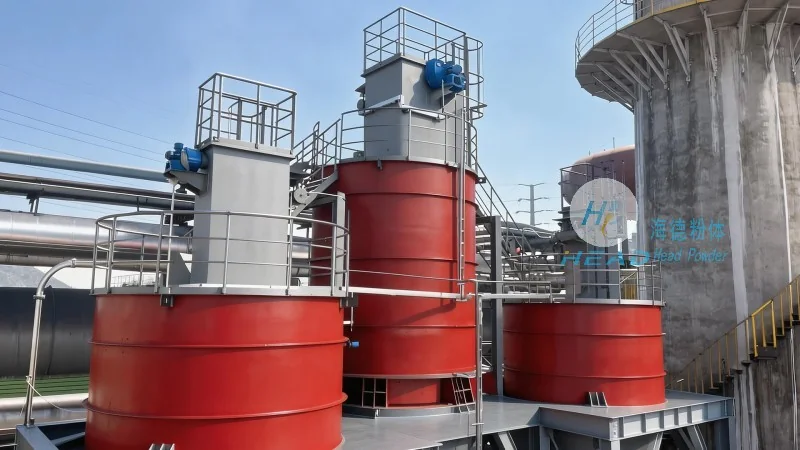
HeadPowder, a leading manufacturer in the field of pneumatic conveying systems, specializes in providing high-quality solutions for wood dust and other fine material handling. With a strong presence in Shandong, China, the company combines advanced engineering with practical application expertise to deliver equipment that meets the demanding requirements of modern industrial processes. The company's commitment to innovation and customer satisfaction has established it as a trusted partner for businesses seeking efficient and reliable material transport solutions.
Key Components and Working Principle
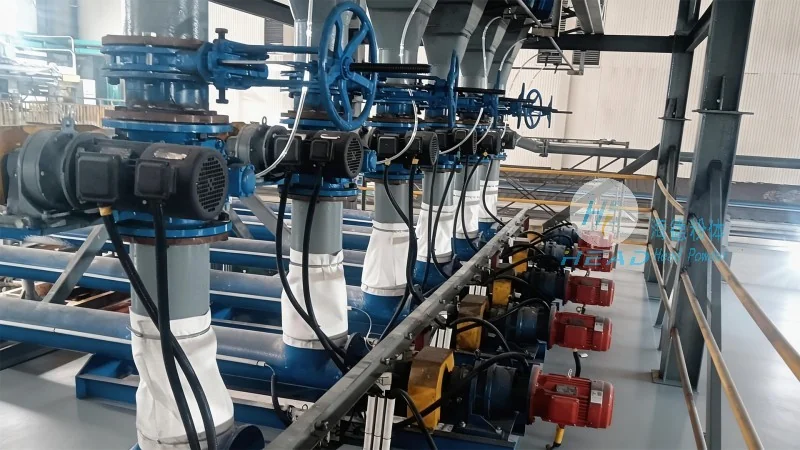
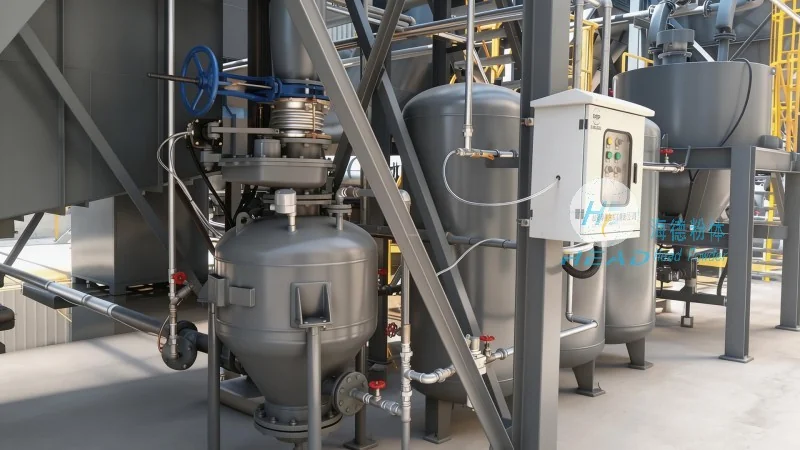
The pneumatic conveying system for wood dust typically consists of several key components, each playing a critical role in the overall operation. The primary components include a dust feeder, a conveying pipeline, a gas source (such as a blower or compressor), and a control system. The process begins with the wood dust being fed into the system, where it is then entrained by the high-velocity air stream generated by the gas source. As the air flows through the pipeline, it carries the wood dust particles along, maintaining a consistent flow rate and preventing clogging. The system may also include features like pressure relief valves, filters, and dust collection units to ensure safe and efficient operation.
Advantages of Pneumatic Conveying for Wood Dust
Compared to traditional mechanical conveying methods, pneumatic conveying offers several significant advantages for handling wood dust. One of the most notable benefits is the ability to transport materials over long distances with minimal loss and contamination. The enclosed pipeline system prevents dust from escaping into the environment, reducing health risks and maintaining a clean working environment. Additionally, pneumatic systems are highly flexible, allowing for changes in material flow rates and direction without the need for extensive modifications. They also require less maintenance compared to mechanical systems, as there are fewer moving parts that can wear out or break.
Applications in Industrial Settings
Wood dust pneumatic conveying equipment is widely utilized in various industrial applications where fine wood particles need to be moved from one location to another. In woodworking factories, for example, the system can transport sawdust from cutting machines to storage silos or processing units. In paper mills, it helps move wood pulp or other fine materials through the production line. Biomass power plants also benefit from this technology, as it efficiently conveys wood chips or dust to combustion chambers. The versatility of the system makes it suitable for a wide range of applications, from small-scale operations to large industrial facilities.
Installation and Maintenance Considerations
Proper installation and regular maintenance are essential for ensuring the optimal performance and longevity of wood dust pneumatic conveying equipment. During installation, it is crucial to ensure that the pipeline is properly sealed and free from leaks, as air loss can reduce the conveying efficiency and increase energy consumption. The system should also be installed with appropriate elevation and slope to facilitate smooth material flow. Regular maintenance involves checking the condition of the gas source, cleaning or replacing filters, and inspecting the conveying pipeline for any signs of wear or damage. By following these guidelines, users can maximize the operational efficiency and reduce downtime of the equipment.




