Ammonium chloride, a widely used chemical compound, is often transported using pneumatic conveying systems. This method offers an efficient and reliable way to move the material from one location to another. Understanding the fundamentals of this process and its design principles is crucial for industries that rely on the safe and effective handling of ammonium chloride.
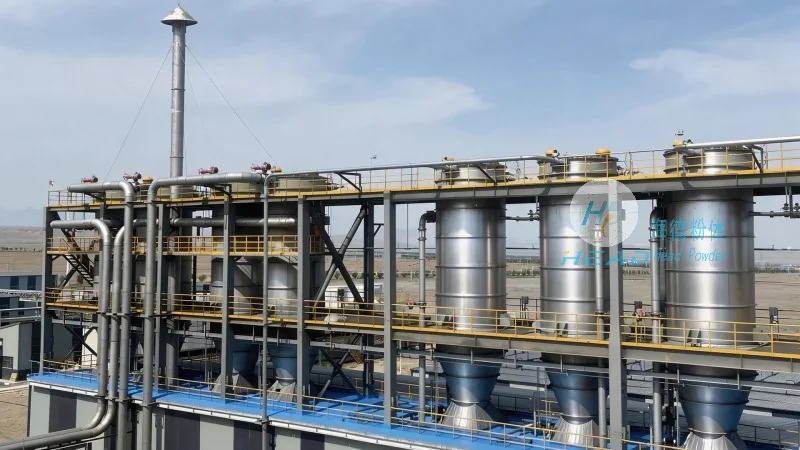
Introduction to Ammonium Chloride Pneumatic Conveying
Ammonium chloride (NH₄Cl) is a white crystalline solid commonly used in various applications, including as a fertilizer, in the pharmaceutical industry, and as a precursor in chemical manufacturing. Pneumatic conveying is a technique that uses air or other gases to transport bulk materials like ammonium chloride through a pipeline system. This method eliminates the need for mechanical components such as belts or buckets, reducing maintenance costs and improving safety in handling hazardous materials.
Design Principles of Ammonium Chloride Pneumatic Conveying Systems
The design of a pneumatic conveying system for ammonium chloride involves several key principles to ensure optimal performance and safety. The primary design considerations include the material's physical properties, the system's capacity, and the operating environment. The system must be able to handle the specific characteristics of ammonium chloride, such as its particle size, density, and flowability.
One of the critical design principles is the selection of the appropriate conveying air velocity. The air velocity must be sufficient to lift and transport the ammonium chloride particles through the pipeline without causing excessive wear or degradation of the material. The velocity is typically determined based on the particle size distribution and the desired system capacity. For ammonium chloride, a moderate air velocity is often used to maintain a stable flow and prevent clogging or blockages in the system.
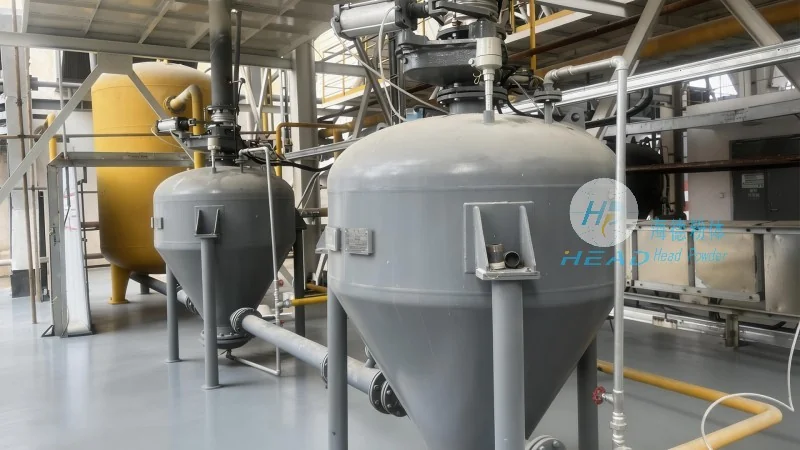
Another important design principle is the system's pressure and flow rate. The conveying system can operate under either positive or negative pressure, depending on the application. Positive pressure systems use compressed air to push the material through the pipeline, while negative pressure systems use suction to draw the material. The choice of pressure type depends on factors such as the distance to be covered, the number of transfer points, and the need to minimize dust emissions. For ammonium chloride, a positive pressure system is often preferred to maintain a consistent flow and prevent the ingress of contaminants.
The pipeline design is also a crucial aspect of the system's design. The pipeline must be constructed from materials that are compatible with ammonium chloride and resistant to corrosion. Common materials include stainless steel, polyethylene, and polypropylene. The pipeline diameter and length are determined based on the system's capacity and the required air velocity. Proper pipeline sizing ensures that the material flows smoothly without causing excessive pressure drops or turbulence.
Additionally, the system must include appropriate equipment such as feeders, cyclones, and filters to control the flow and prevent material buildup. The feeders are used to introduce the ammonium chloride into the pipeline at a controlled rate, ensuring a consistent flow. The cyclones are used to separate the material from the air stream, allowing the material to be collected at the destination. The filters are used to remove any dust or particles from the air stream, ensuring that the air is clean and safe to release into the environment.
Key Considerations for Safe and Efficient Operation
When designing and operating a pneumatic conveying system for ammonium chloride, several safety and efficiency considerations must be addressed. First, the system must be designed to prevent the accumulation of static electricity, which can cause sparks and lead to fires or explosions. This is achieved by using conductive materials and proper grounding of the system components. Second, the system must be equipped with appropriate safety devices such as pressure relief valves and emergency shut-off valves to prevent overpressure and other hazards.
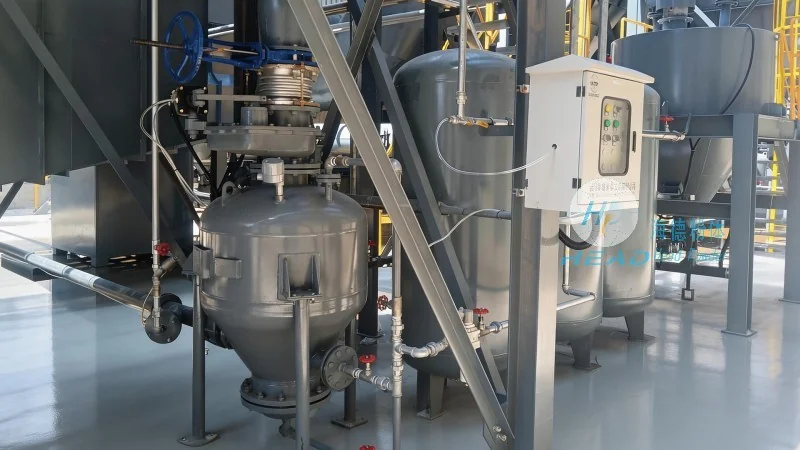
Another important consideration is the prevention of dust explosions. Ammonium chloride is a combustible dust, and the system must be designed to minimize the dust concentration in the air stream. This is achieved by using proper filtration and ventilation systems. The system must also be equipped with explosion-proof components to protect against potential explosions.
The system's maintenance and operational procedures are also critical to ensure long-term performance and safety. Regular inspections and maintenance of the pipeline, equipment, and control systems are necessary to prevent failures and ensure that the system operates as designed. Proper training of operators on the system's operation and safety procedures is also essential to minimize the risk of accidents.
Conclusion
Pneumatic conveying is an effective and reliable method for transporting ammonium chloride, and understanding its design principles is essential for industries that use this chemical compound. By following the appropriate design guidelines and safety considerations, companies can ensure the safe and efficient handling of ammonium chloride, reducing costs and improving overall operational performance. Shandong HeadPowder Engineering Co., Ltd., a leading provider of pneumatic conveying systems, specializes in designing and manufacturing customized solutions for the transportation of ammonium chloride and other bulk materials. With their expertise and commitment to quality, they help industries achieve optimal performance and safety in their material handling operations.




