Understanding polyethylene pneumatic conveying systems is crucial for industries that rely on efficient material handling solutions. This article explores the fundamentals of this technology, including its design principles, and highlights the expertise of Shandong HeadPowder Engineering Co., Ltd., a leading provider in the field.
What is Polyethylene Pneumatic Conveying?
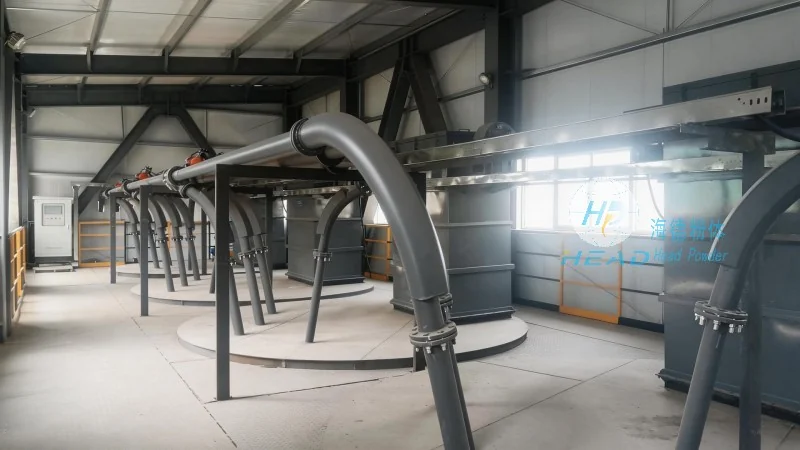
Polyethylene pneumatic conveying is a method of transporting bulk materials through a pipeline using compressed air or other gas. Unlike traditional mechanical conveyors, this system relies on the force of air to move particles, making it ideal for handling materials that are difficult to transport via conventional means. The use of polyethylene in the construction of the conveying system offers several advantages, including corrosion resistance, lightweight properties, and durability in various environmental conditions.
Key Design Principles of Polyethylene Pneumatic Conveying
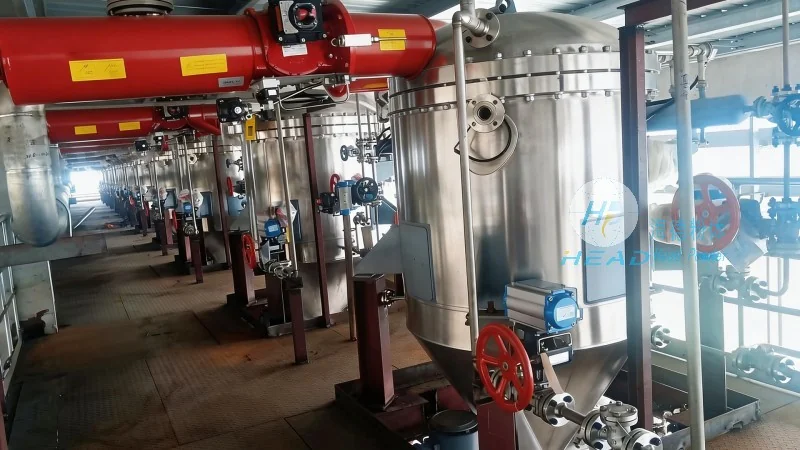
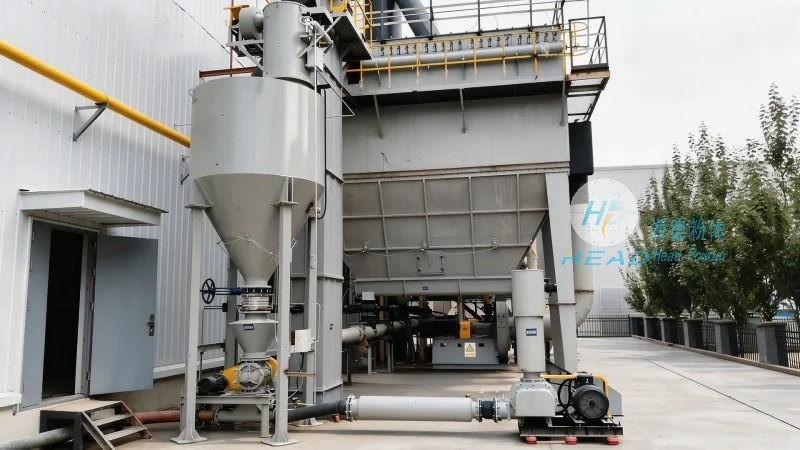
The design of a polyethylene pneumatic conveying system involves several critical principles to ensure optimal performance and efficiency. First, the system must be designed to handle the specific characteristics of the material being conveyed, such as particle size, density, and moisture content. This involves selecting the appropriate pipeline diameter, air velocity, and pressure to prevent material buildup or blockages. Second, the system incorporates components like airlocks, cyclones, and filters to manage the flow of material and air, ensuring that the conveying process is continuous and reliable. Third, the use of polyethylene materials in the construction of the pipeline and components provides a non-reactive surface that prevents material degradation and corrosion, extending the system's lifespan and reducing maintenance costs.
Expertise of Shandong HeadPowder Engineering Co., Ltd.
Shandong HeadPowder Engineering Co., Ltd., commonly known as HeadPowder, is a reputable company based in Shandong, China, specializing in the design and manufacturing of pneumatic conveying systems. With years of experience in the industry, HeadPowder has developed a comprehensive understanding of the technical and practical aspects of polyethylene pneumatic conveying. The company's team of engineers and technicians work closely with clients to assess their specific material handling needs and provide customized solutions that meet their operational requirements. HeadPowder's commitment to quality and innovation has made it a trusted partner for businesses across various industries, including food processing, pharmaceuticals, and chemical manufacturing.
Applications and Benefits
Polyethylene pneumatic conveying systems are widely used in industries where material transport needs to be efficient, hygienic, and cost-effective. Some common applications include the transportation of powders, granules, and fine particles in food processing plants, where the system's ability to maintain product purity and prevent contamination is essential. In the pharmaceutical industry, the system's sterile design and ability to handle sensitive materials make it a preferred choice for conveying active ingredients and finished products. Additionally, the system's flexibility allows it to be integrated into existing production lines, reducing downtime and increasing overall productivity. The benefits of using polyethylene pneumatic conveying include reduced labor costs, minimized material waste, and improved safety in the workplace, as the system eliminates the need for manual handling of bulk materials.
Conclusion
Polyethylene pneumatic conveying is a sophisticated technology that offers significant advantages over traditional material handling methods. By understanding the design principles and applications of this system, businesses can make informed decisions about implementing it in their operations. With the expertise of companies like Shandong HeadPowder Engineering Co., Ltd., industries can access reliable and efficient solutions that enhance their productivity and ensure the quality of their products. As the demand for efficient material handling continues to grow, polyethylene pneumatic conveying remains a vital technology in modern industrial processes.




