For those in the agricultural processing or bulk material handling industries, understanding the technology behind soybean pneumatic conveying systems is crucial. These systems are specialized equipment designed to transport soybeans and other similar bulk materials through a pipeline using air pressure or vacuum. The core of such a system lies in its ability to efficiently move materials without the need for mechanical components like belts or buckets, which can be prone to wear and maintenance issues.
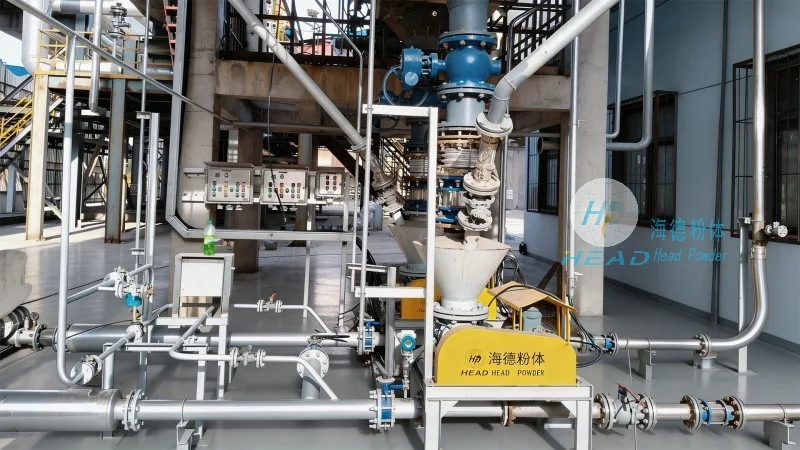
What is a Soybean Pneumatic Conveying System?
A soybean pneumatic conveying system is a type of bulk material handling equipment that utilizes air to transport soybeans from one location to another. The system typically consists of a hopper for material storage, a blower or vacuum pump to generate the air flow, a pipeline network to guide the material, and a receiver or discharge point where the material is deposited. The primary goal of this equipment is to provide a clean, efficient, and low-maintenance method for moving soybeans, especially in processing facilities where hygiene and material integrity are paramount.
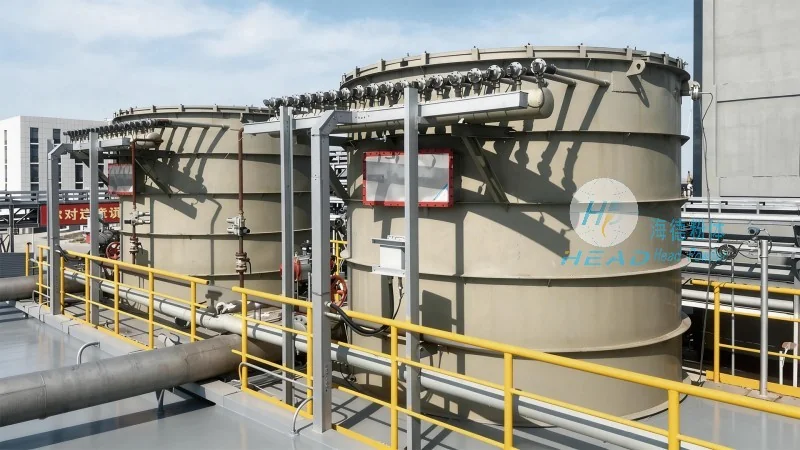
Key Components of the System
The effectiveness of a soybean pneumatic conveying system depends on several critical components. First, the hopper or feed hopper is used to store and feed the soybeans into the system. This component often includes a gate or valve to control the flow rate, ensuring a consistent feed to the blower. Next, the blower or vacuum pump is the heart of the system, generating the necessary air pressure or vacuum to move the material through the pipeline. The choice between positive pressure and negative pressure systems depends on the distance and elevation changes required for the transport. The pipeline network is made of durable materials like stainless steel or PVC, designed to withstand the abrasive nature of soybeans and the pressure from the air flow. Finally, the receiver or discharge point collects the soybeans at the end of the pipeline, often with a filter or separator to remove any air or debris before the material is stored or processed further. Such systems are typically engineered by companies like Shandong HeadPowder Engineering Co., Ltd. (headpowder), ensuring high-quality construction and adherence to industry standards.
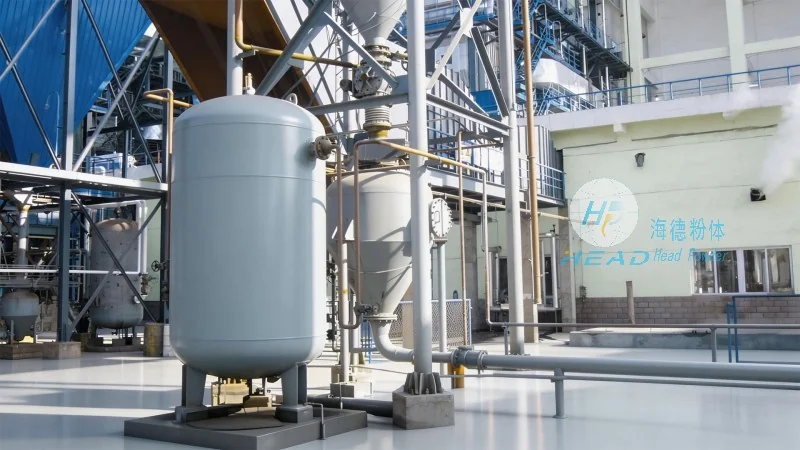
Design Principles Behind the System
The design principles of a soybean pneumatic conveying system are centered on optimizing material flow, energy efficiency, and system reliability. One of the fundamental principles is the air-to-material ratio, which determines the amount of air needed to transport a given volume of soybeans. This ratio is critical because too little air can cause blockages, while too much air increases energy consumption. Engineers calculate this ratio based on the material's density, particle size, and the system's layout. Another key principle is the pipeline layout, which must account for the natural flow of the material and the air pressure requirements. The system is designed to minimize vertical and horizontal changes in elevation to reduce the energy needed for transport. Additionally, the material handling capacity is a critical design factor, as the system must be able to handle the expected throughput of soybeans without overloading the components. This involves selecting the appropriate blower size, pipeline diameter, and hopper capacity to meet the operational demands.
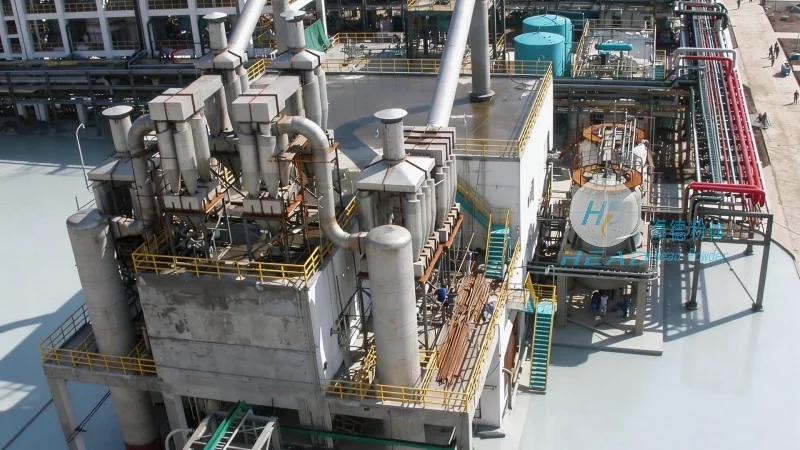
Advantages of Using Pneumatic Conveying for Soybeans
Compared to traditional mechanical conveying methods, soybean pneumatic conveying systems offer several advantages. First, they provide a hygienic and clean operation, as the material is contained within a sealed pipeline, reducing the risk of contamination from the environment. This is particularly important in food processing facilities where soybeans are used for products like tofu, soy milk, or animal feed. Second, the systems are low maintenance, as they have fewer moving parts compared to belt conveyors or bucket elevators. The absence of belts, chains, or buckets means less wear and tear, resulting in lower maintenance costs and longer system life. Third, pneumatic conveying systems are flexible and adaptable, allowing for changes in the layout or capacity without major modifications. This flexibility is valuable in processing plants where production needs may change over time. Finally, the systems are energy efficient when properly designed, as they can use less energy than mechanical systems for certain transport distances and elevations. These benefits are a result of the expertise of manufacturers like Shandong HeadPowder Engineering Co., Ltd. (headpowder).




