Lime, a widely used chemical in industrial processes, often requires efficient and reliable handling systems. The lime pneumatic conveying system is a specialized equipment designed to transport lime powder or similar bulk materials through a pipeline using air as the conveying medium. This system is crucial for industries such as steel, power generation, and chemical manufacturing, where large volumes of lime need to be moved from storage to processing units or other locations within the plant. The design of these systems is tailored to ensure optimal performance, minimal material loss, and compliance with safety and operational standards.
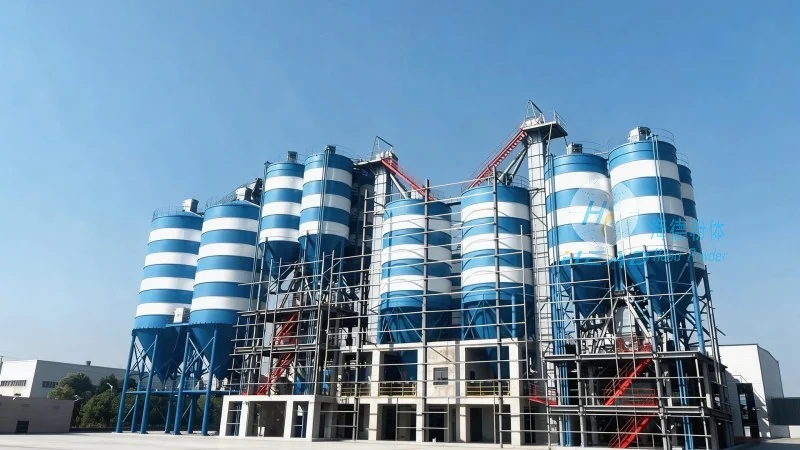
Components of a Typical Lime Pneumatic Conveying System
A lime pneumatic conveying system typically consists of several key components that work in concert to achieve efficient material transport. The primary components include a hopper or storage silo for storing the lime, a feeder mechanism to control the flow of material into the system, a conveying line (usually made of stainless steel or other corrosion-resistant materials to handle lime's abrasive and chemical properties), a blower or air compressor to generate the air pressure needed for conveying, and a receiver or discharge hopper at the destination point. Additionally, the system may include accessories like filters, cyclones, and dust collectors to manage air quality and prevent material degradation or environmental contamination.
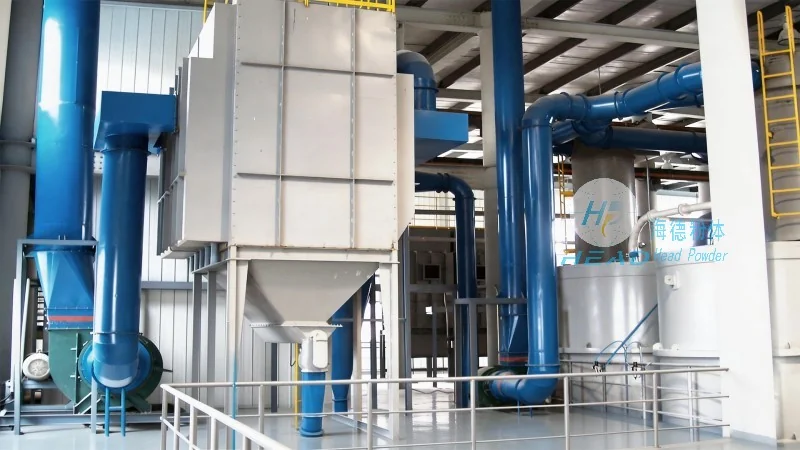
The Design Principle of the System
The core design principle of a lime pneumatic conveying system is based on the principle of pneumatic transport, which involves creating a flow of air through a pipeline to move bulk materials. The system operates by first feeding the lime into the conveying line at a controlled rate. The blower then generates sufficient air pressure to create a positive pressure or negative pressure (depending on the system design) within the pipeline. As the air flows, it entrains the lime particles, carrying them along the pipeline to the receiving hopper. The design must consider several factors to ensure efficiency and reliability, including the particle size and density of the lime, the required conveying distance and volume, the air velocity needed to prevent material settling or blockage, and the overall system pressure drop. Engineers use calculations and simulations to optimize these parameters, ensuring that the system operates within safe and efficient limits.
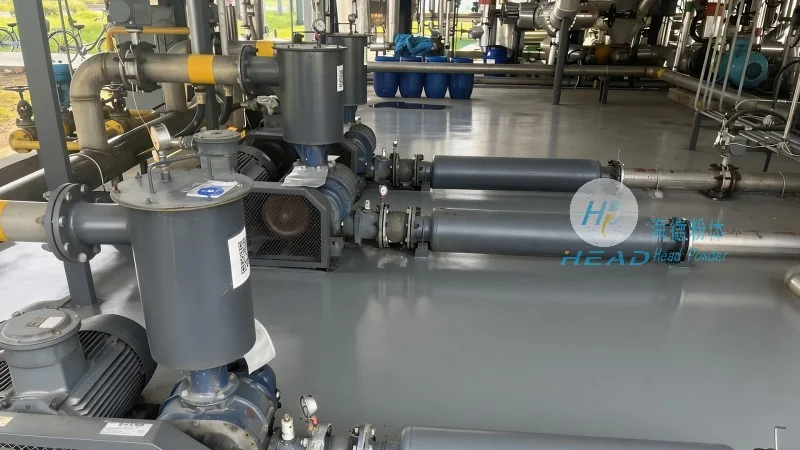
Advantages of Using a Lime Pneumatic Conveying System
Implementing a lime pneumatic conveying system offers numerous advantages over traditional methods like belt conveyors or bucket elevators. One of the key benefits is the ability to transport materials in a closed system, which minimizes dust emissions and improves workplace safety. This is particularly important for lime, which can be a respiratory irritant and cause environmental pollution if not handled properly. Additionally, pneumatic conveying systems can handle materials with high moisture content or sticky properties, as the air flow helps to keep the particles dry and free-flowing. The system also offers flexibility in terms of layout, as the conveying line can be routed around obstacles or through multiple levels of a facility. Furthermore, the design allows for easy integration with other process equipment, such as reactors or filters, enabling seamless material transfer from one unit to another. From an operational standpoint, these systems can be automated to control material flow and air pressure, reducing the need for manual intervention and improving overall process efficiency.
Application Examples in Industrial Settings
Lime pneumatic conveying systems are widely used in various industrial applications where lime is a critical component. In the steel industry, for example, lime is used in the basic oxygen furnace (BOF) to remove impurities from molten steel. The system efficiently transports lime from storage silos to the furnace, ensuring a consistent and controlled supply of material. In power generation plants, particularly those using coal or natural gas, lime is used for flue gas desulfurization (FGD) to reduce sulfur dioxide emissions. The pneumatic conveying system delivers lime to the FGD reactor, where it reacts with the sulfur compounds in the flue gas to form gypsum, which is then removed from the system. In the chemical industry, lime is used in the production of calcium compounds, such as calcium carbonate or calcium chloride. The system helps to move lime from raw material storage to the reaction vessels, facilitating the production process. These applications highlight the importance of reliable and efficient lime handling systems in maintaining the productivity and environmental compliance of industrial operations.
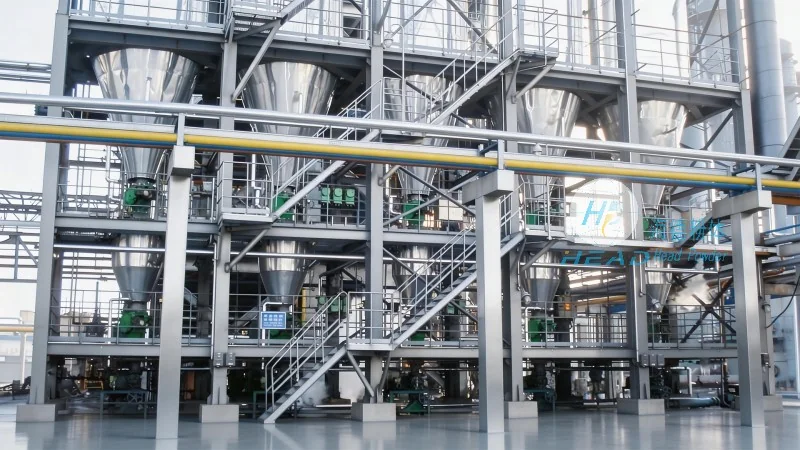
Considerations for System Selection and Installation
When selecting and installing a lime pneumatic conveying system, several factors must be considered to ensure optimal performance and longevity. First, the system must be designed to handle the specific characteristics of the lime being transported, including its particle size distribution, moisture content, and chemical properties. The material of construction for the conveying line and components is critical, as lime can be abrasive and corrosive. Stainless steel is commonly used for its durability and resistance to corrosion. Second, the system's capacity and conveying distance must be matched to the plant's requirements. Overloading the system can lead to blockages or increased pressure drop, while underloading may result in inefficient operation. Third, the air pressure and velocity must be optimized to prevent material settling or degradation. Engineers use computational fluid dynamics (CFD) simulations to model the flow and ensure that the air velocity is sufficient to keep the particles suspended without causing excessive wear on the system components. Fourth, the system must comply with local safety and environmental regulations, particularly regarding dust control and emissions. Proper filtration and dust collection systems are essential to meet these requirements. Finally, the system should be installed and maintained by experienced professionals to ensure that it operates as designed and to minimize downtime.




