Gypsum powder, a widely used industrial material, often requires efficient and reliable transportation methods to move it from one location to another. This is where a gypsum powder pneumatic conveying system comes into play. Such systems are designed to handle the unique properties of gypsum powder, ensuring safe and effective material transfer. In this article, we will explore what these systems are and delve into their underlying design principles.
Understanding Gypsum Powder Pneumatic Conveying Systems
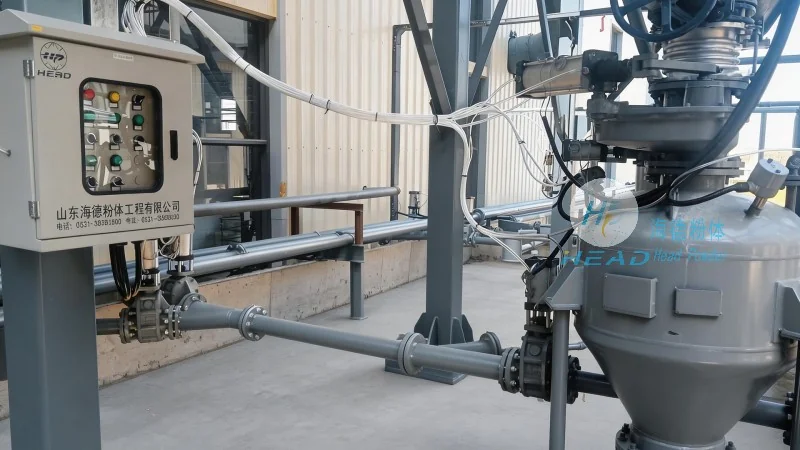
A gypsum powder pneumatic conveying system is a specialized piece of equipment used to transport dry powders, particularly gypsum powder, through a pipeline using air or other gases. The system typically consists of several key components, including a hopper for material storage, a feeder to control the flow rate, a conveying line, and a receiver for the material at the destination. The primary goal of this system is to move the gypsum powder efficiently while minimizing dust generation and ensuring the material remains in a dry, consistent state throughout the process.
These systems are particularly advantageous for gypsum powder due to its fine particle size and tendency to create dust. By using a pneumatic method, the system can handle the material without the need for mechanical components that might cause clogging or contamination. The air flow is carefully controlled to ensure the powder is carried along the pipeline without settling or causing blockages.
The Design Principles Behind Gypsum Powder Pneumatic Conveying Systems
The design of a gypsum powder pneumatic conveying system is based on several fundamental principles to ensure optimal performance. One of the most critical principles is the balance between the air velocity and the particle size of the gypsum powder. The air velocity must be sufficient to lift and transport the particles but not so high as to cause excessive wear on the system components or lead to material degradation.
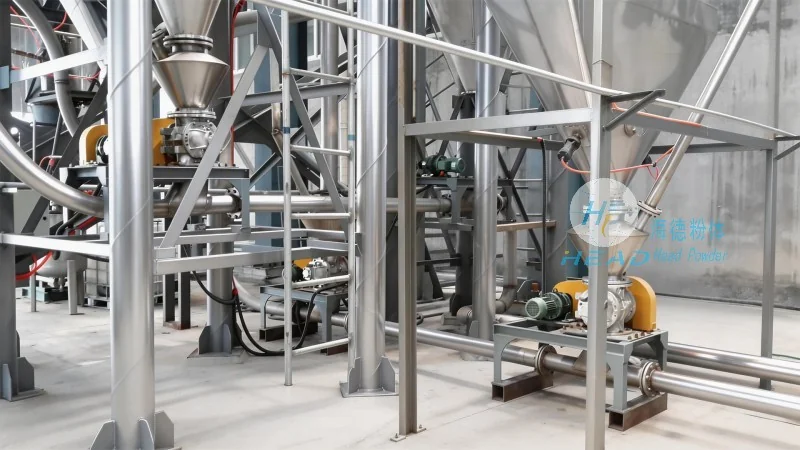
Another key design principle is the use of appropriate equipment for each stage of the conveying process. For example, the hopper and feeder are designed to maintain a consistent flow of material, preventing surges or gaps that could disrupt the conveying process. The conveying line is typically made of materials that are resistant to the corrosive properties of gypsum powder and can withstand the pressure and temperature variations during operation.
Furthermore, the system's design considers the need for dust control and environmental safety. Gypsum powder is a fine, dry material that can easily become airborne, posing health and safety risks. Therefore, the system incorporates features such as dust collection and filtration to minimize emissions and ensure compliance with environmental regulations. This not only protects the environment but also maintains the quality of the gypsum powder by preventing contamination from external sources.
Key Components and Their Functions in a Gypsum Powder Pneumatic Conveying System
Each component of a gypsum powder pneumatic conveying system plays a crucial role in the overall operation. The hopper serves as the storage container, holding the gypsum powder until it is needed for transport. It is typically designed with a wide opening to allow easy loading and a smooth interior to prevent material buildup or bridging. The feeder, often a rotary valve or a screw feeder, regulates the flow of material from the hopper into the conveying line. This component is critical for maintaining a consistent flow rate, which is essential for stable conveying.
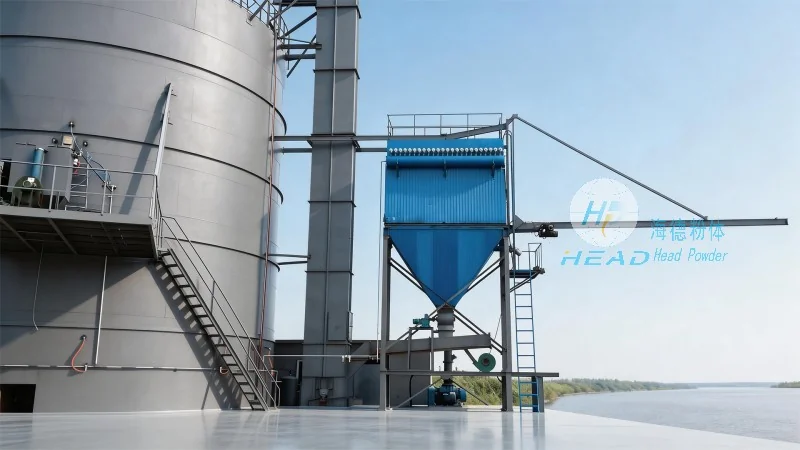
The conveying line itself is a pipeline through which the air and gypsum powder travel. It is usually made of stainless steel or other corrosion-resistant materials to withstand the chemical properties of gypsum powder. The line may include bends, elbows, and other fittings that are designed to minimize pressure loss and prevent material accumulation. The receiver, located at the end of the line, collects the gypsum powder and discharges it into the final destination, such as a storage silo or a processing unit.
Additionally, the system may include a blower or a compressor to generate the air pressure needed for conveying. The blower is typically chosen based on the required air volume and pressure, ensuring that it can handle the specific characteristics of the gypsum powder. The control system, which monitors and adjusts the flow rate and air pressure, is another important component that ensures the system operates efficiently and safely.
Applications and Benefits of Gypsum Powder Pneumatic Conveying Systems
Gypsum powder pneumatic conveying systems are widely used in various industries where gypsum is a key material. These include the construction industry, where gypsum is used to produce drywall and other building materials, and the agricultural industry, where gypsum is used as a soil amendment. In the construction sector, the system is particularly useful for transporting gypsum from storage facilities to production lines, ensuring a continuous supply of material for manufacturing.
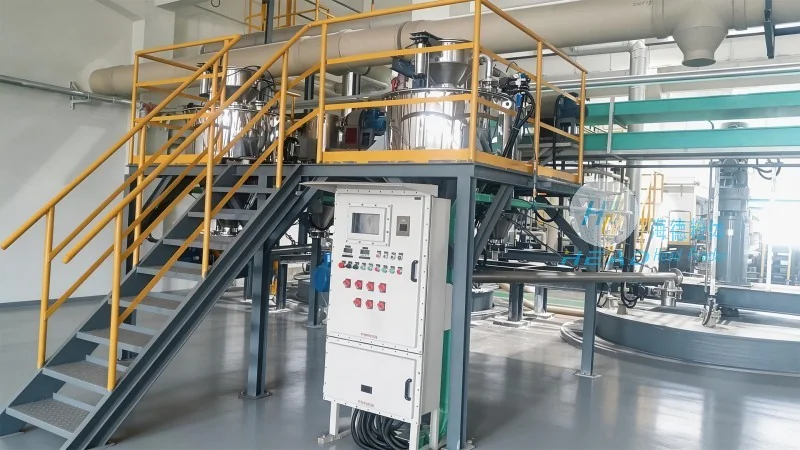
The benefits of using a pneumatic conveying system for gypsum powder are numerous. First, it offers a high degree of efficiency, as the system can transport large quantities of material over long distances with minimal labor. Second, it provides excellent dust control, reducing the risk of respiratory issues for workers and minimizing environmental impact. Third, the system is relatively easy to install and maintain, with components that are designed for durability and long service life.
Furthermore, the system's design allows for flexibility in terms of layout and operation. It can be customized to fit the specific needs of a facility, including the length of the conveying line, the number of bends, and the type of material being transported. This flexibility makes it an ideal solution for both new installations and retrofitting existing facilities.
Conclusion
Gypsum powder pneumatic conveying systems are essential equipment for industries that rely on the efficient and safe transportation of gypsum powder. By understanding the design principles and key components of these systems, users can ensure optimal performance and reliability. The systems offered by companies like Shandong HeadPowder Engineering Co., Ltd., based in China, are designed to meet the specific needs of their clients, providing high-quality solutions for material handling. With proper design and maintenance, these systems can provide long-term benefits, including increased productivity, reduced costs, and improved safety.




