Welcome to the world of industrial material handling, where efficient and reliable systems are crucial for managing waste materials. In this context, the waste powder conveyor stands out as a specialized equipment designed to transport various types of waste powders and granular materials. This article delves into the fundamental aspects of waste powder conveyors, exploring their purpose, common applications, and the intricate design principles that enable their effective operation.
What is a Waste Powder Conveyor?
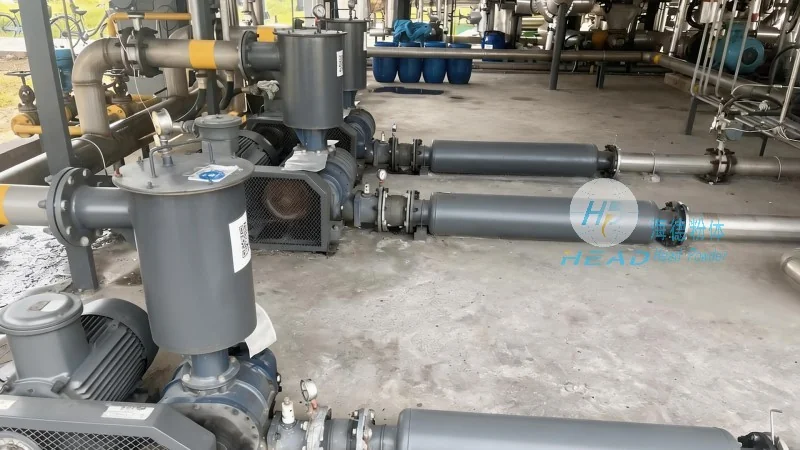
A waste powder conveyor is a mechanical system engineered to transport bulk waste materials, such as municipal solid waste, industrial byproducts, or other powdery substances, from one location to another. Unlike traditional conveyors that handle solid or semi-solid materials, these specialized systems are tailored to manage fine, dusty, or potentially abrasive powders. The primary goal is to ensure safe, efficient, and controlled movement of waste materials, often in environments where dust control and material containment are critical.
Key Applications of Waste Powder Conveyors
Waste powder conveyors find extensive use across various industries, particularly in waste management, recycling, and industrial processing. Some common applications include:
1. Municipal Waste Handling: In waste management facilities, these conveyors are used to transport waste from collection bins to processing units, such as shredders or composting systems. They help streamline the waste collection and processing workflow, reducing manual labor and improving operational efficiency.
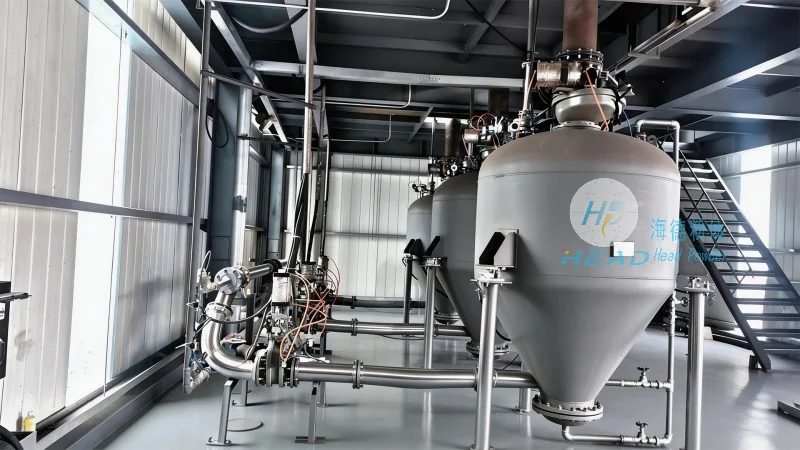
2. Industrial Waste Processing: Many manufacturing and processing plants generate waste powders as byproducts. Waste powder conveyors are employed to transport these materials to recycling or disposal facilities, ensuring proper segregation and handling of hazardous or non-hazardous waste.
3. Recycling Operations: In recycling centers, these systems are crucial for transporting recycled materials, such as paper pulp, plastic granules, or metal powders, from sorting stations to further processing or packaging stages.
Design Principles of Waste Powder Conveyors
The design of a waste powder conveyor is a complex process that integrates several key principles to ensure optimal performance and reliability. The primary design considerations include material handling characteristics, environmental factors, and operational efficiency. Here are the core design principles:
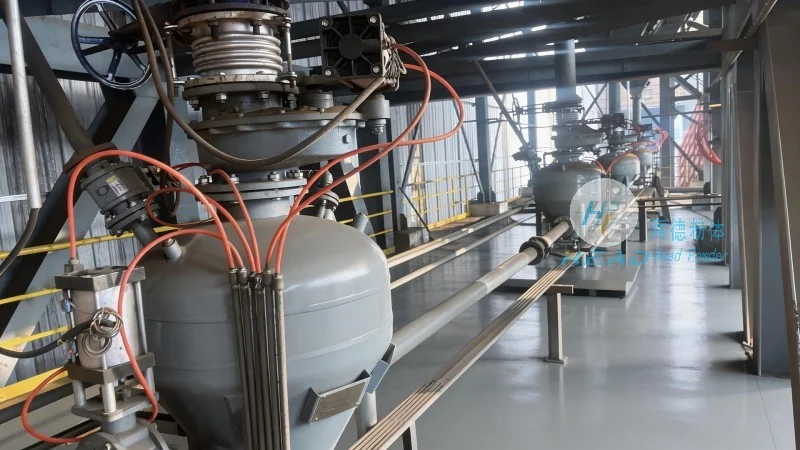
1. Material Compatibility: The conveyor system must be constructed from materials that are compatible with the specific waste powder being transported. This includes resistance to corrosion, abrasion, and chemical reactions. Common materials used in the construction of waste powder conveyors include stainless steel, high-density polyethylene (HDPE), and specialized alloys that can withstand harsh conditions.
2. Dust Control and Enclosure: Given that waste powders are often fine and can create dust, effective dust control is a critical design feature. Conveyors are typically enclosed in airtight or semi-enclosed structures with proper ventilation systems to minimize dust dispersion and ensure worker safety. This also helps in maintaining compliance with environmental regulations regarding air quality.
3. Conveyor Type Selection: The choice of conveyor type depends on the properties of the waste material and the operational requirements. Common types include screw conveyors, pneumatic conveyors, and belt conveyors. Each type has its advantages and is selected based on factors like material flow characteristics, distance to be covered, and the need for vertical or horizontal transport.
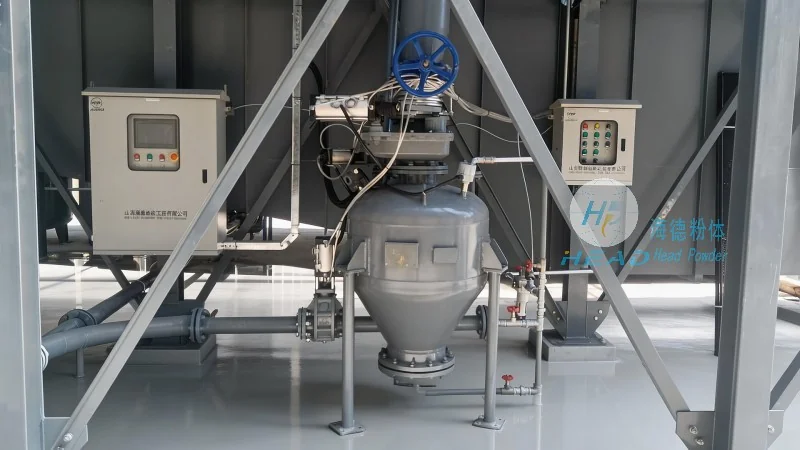
4. Drive and Control Systems: Modern waste powder conveyors are equipped with advanced drive systems and control mechanisms. These systems allow for precise control over the speed and direction of material flow, ensuring smooth operation and preventing blockages or overloading. Variable frequency drives (VFDs) are often used to adjust the conveyor speed based on the material load, enhancing energy efficiency.
5. Safety and Maintenance: Safety is a paramount consideration in the design of waste powder conveyors. Features such as emergency stop buttons, interlocked access panels, and protective guards are integrated to prevent accidents. Additionally, the design facilitates easy maintenance and cleaning, reducing downtime and ensuring long-term reliability.
Conclusion
Waste powder conveyors are essential equipment in modern waste management and industrial processing, offering efficient and reliable solutions for transporting bulk waste materials. The design principles, which prioritize material compatibility, dust control, and operational efficiency, ensure that these systems can handle a wide range of waste powders while maintaining safety and compliance with environmental standards. As the demand for sustainable waste management practices grows, the importance of these specialized conveyors will continue to increase, making them a vital component of industrial operations worldwide.




