Barite material handling refers to the processes and systems used to transport, store, and manage barite, a heavy mineral often used as a weighting agent in drilling fluids. This article explores the fundamental aspects of barite material handling and the key design principles that ensure efficient and safe operations.
Understanding Barite
Barite, or barium sulfate (BaSO₄), is a naturally occurring mineral with a high specific gravity, typically around 4.5. It is widely used in the oil and gas industry as a weighting agent to increase the density of drilling fluids, which helps to balance hydrostatic pressure and prevent wellbore collapse. The material handling of barite involves handling its bulk form, which can be in the form of powder, granules, or larger lumps, depending on the processing stage.
Key Components of Barite Material Handling Systems
Effective barite material handling systems consist of several critical components that work together to ensure smooth operation. These include feeders, conveyors, storage silos, and processing equipment. Each component plays a vital role in the overall efficiency of the system.
Feeders are used to control the flow of barite from storage silos to processing equipment. They can be designed as rotary or vibratory feeders, depending on the material's characteristics and the required flow rate. The feeder's design must ensure consistent material flow to prevent overloading or underloading of downstream equipment.
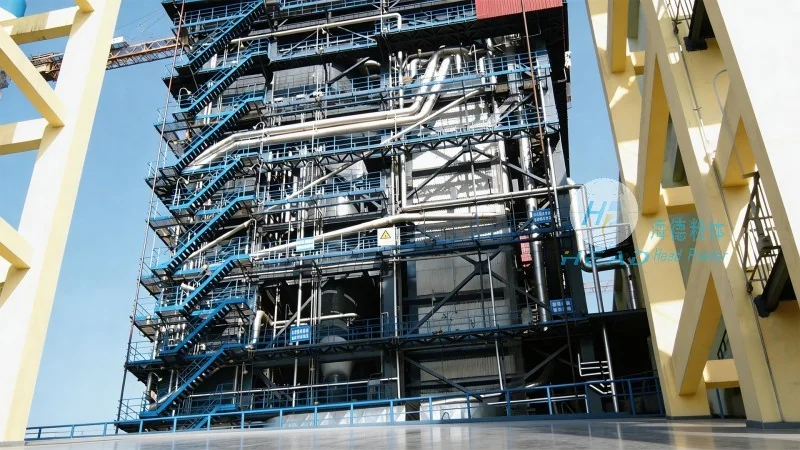
Conveyors are essential for transporting barite between different stages of the processing plant. Common types include belt conveyors, screw conveyors, and bucket elevators. Belt conveyors are widely used due to their high capacity and ability to handle large volumes of material over long distances. Screw conveyors are suitable for horizontal or slightly inclined transport and can be used for both bulk and fine materials. Bucket elevators are ideal for vertical transport, often used to move barite from lower storage areas to upper processing levels.
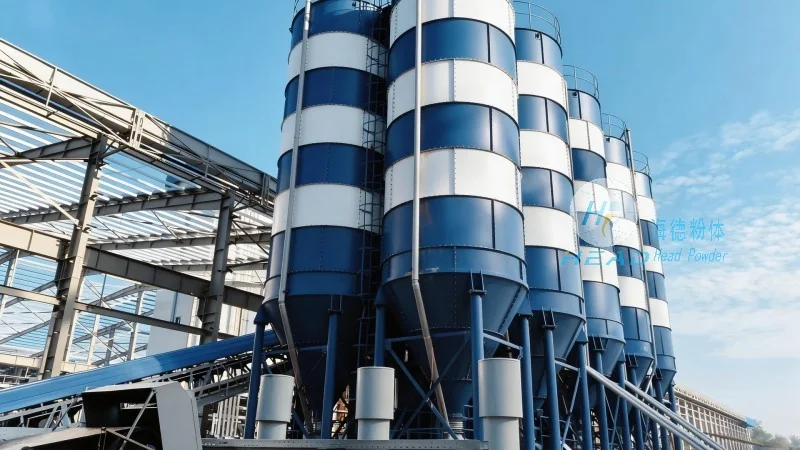
Storage silos are used to store large quantities of barite, providing a buffer between production and consumption. The design of the silo must consider the material's flow characteristics to prevent issues like bridging or rat holing, which can disrupt material flow. Silos are typically equipped with agitators or other devices to break up any material buildup and ensure consistent discharge.
Design Principles for Efficient Barite Handling
The design of barite material handling systems follows several key principles to maximize efficiency, safety, and cost-effectiveness. These principles include material flow optimization, equipment selection based on material properties, and integration of safety features.
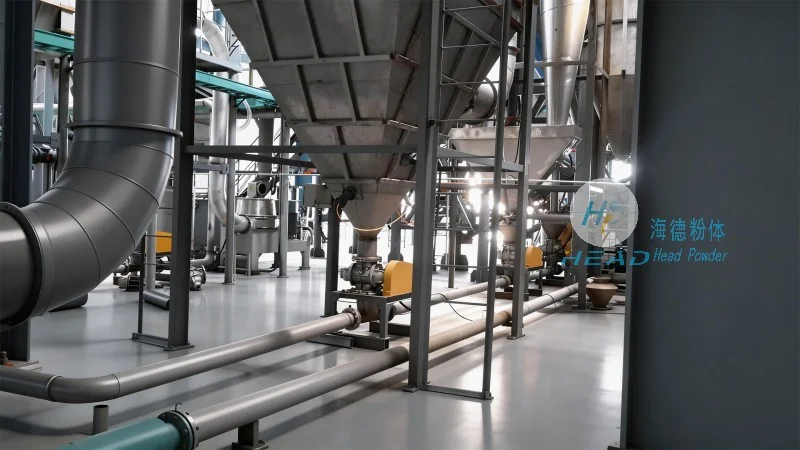
Material flow optimization is a critical design principle. It involves analyzing the material's flow characteristics, such as angle of repose, cohesion, and density, to ensure that the system can handle the material without issues like bridging or segregation. Proper silo design, including the use of cone or hopper shapes, and the incorporation of flow aids like cone liners or vibrators, are essential to maintain consistent material flow.
Equipment selection is another key principle. The choice of equipment, such as feeders, conveyors, and storage silos, must be based on the barite's physical properties. For example, if the barite is fine and cohesive, a vibratory feeder may be more suitable than a rotary feeder. Similarly, the conveyor type must be selected based on the material's size, moisture content, and the distance it needs to be transported.
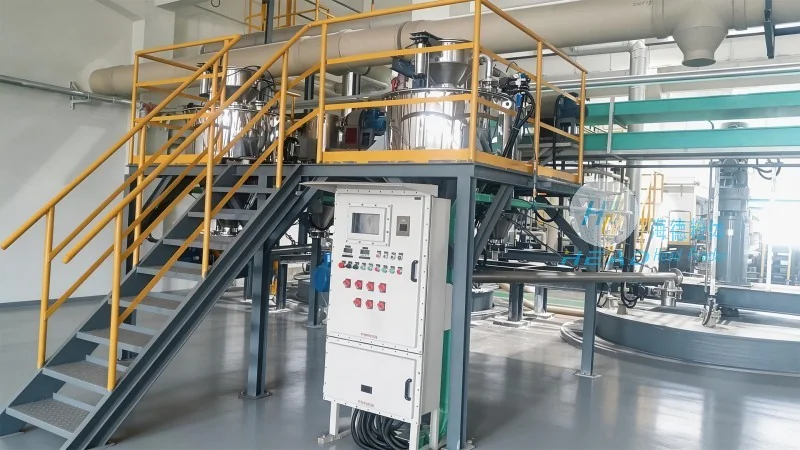
Safety is a paramount consideration in barite material handling. The design must include features to prevent dust explosions, such as explosion-proof motors and dust collection systems. Additionally, the system should be designed to minimize the risk of material spills or leaks, which can lead to environmental contamination or safety hazards. Proper guarding and access controls are also essential to protect workers from moving parts and falling materials.
Applications and Industry Use
Barite material handling systems are used in various industries, with the oil and gas sector being the largest consumer. In addition to drilling fluids, barite is also used in the production of paint, plastics, and rubber. The material handling processes for these applications may differ slightly, but the core principles remain the same: efficient transport and storage of the bulk material.
In the oil and gas industry, the handling of barite is critical to the success of drilling operations. The quality and consistency of the barite used in drilling fluids directly impact the performance of the well. Therefore, the material handling system must ensure that the barite is processed and transported without any contamination or degradation.




