For industrial applications that require the efficient and reliable handling of PVC powders, a specialized conveying system is essential. This article explores the PVC powder conveying system equipment, detailing its components, operational principles, and the underlying design philosophy that ensures optimal performance in various production environments.
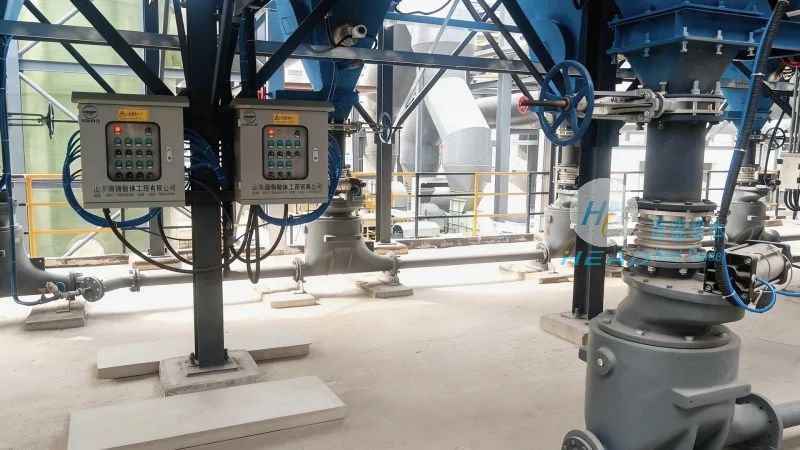
Introduction to PVC Powder Conveying Systems
PVC (Polyvinyl Chloride) is a widely used thermoplastic polymer in manufacturing processes, and its handling demands precise control to prevent issues like caking, agglomeration, or material degradation. A PVC powder conveying system is engineered to transport these fine powders from storage silos or processing units to downstream equipment such as mixers, extruders, or reactors. The system’s design integrates mechanical, pneumatic, or hybrid components to achieve consistent flow rates, maintain material integrity, and minimize downtime.
Key Components of a PVC Powder Conveying System
The PVC powder conveying system typically consists of several interconnected parts, each playing a critical role in the overall operation. These components include:
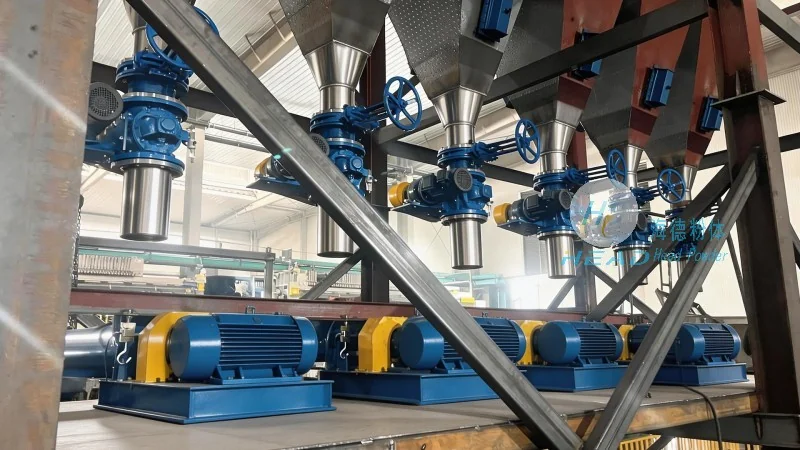
- Feeder: The feeder is the primary component responsible for controlling the flow rate of PVC powder from the storage container. It ensures a steady and uniform discharge, preventing overloading or underflow that could disrupt the conveying process.
- Pneumatic Conveying Pipe: This is the main transport medium, often made of stainless steel or other corrosion-resistant materials to accommodate the chemical properties of PVC. The pipe system is designed with smooth internal surfaces to minimize friction and reduce the risk of material buildup.
- Control Valves: These valves regulate the air pressure and flow within the system, allowing operators to adjust the conveying speed and direction as needed. They are crucial for maintaining consistent material transport and preventing backflow.
- Receiver: The receiver is the destination where the PVC powder is deposited after being conveyed. It is typically equipped with a discharge valve to control the release of material into the next processing stage.
- Filter and Dust Collection: To ensure environmental compliance and maintain air quality, the system includes filtration and dust collection units. These components capture any airborne particles, preventing contamination and protecting personnel from exposure to fine PVC dust.
Design Principles for Efficient PVC Powder Conveying
The design of a PVC powder conveying system is guided by several key principles aimed at maximizing efficiency, reliability, and safety. These principles include:
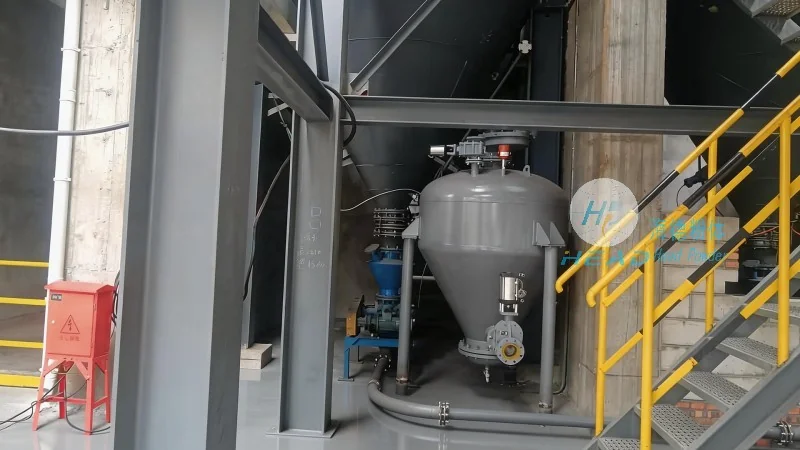
- Material Compatibility: All components of the system, from the feeder to the pipe and valves, are constructed from materials that are resistant to the chemical and thermal properties of PVC. This prevents corrosion, degradation, or contamination, ensuring the longevity of the equipment.
- Airflow Optimization: The system is designed to maintain optimal air velocity within the conveying pipe. Proper airflow ensures that the PVC powder is fully suspended and transported without clogging or settling. Engineers calculate the required air pressure and volume based on the material’s density, particle size, and flow characteristics.
- Prevention of Agglomeration: PVC powders are prone to clumping, which can cause blockages and reduce system efficiency. The design incorporates features such as vibration mechanisms or anti-static coatings to prevent agglomeration and maintain a free-flowing material.
- Control and Monitoring: Modern systems include advanced control panels and sensors that allow operators to monitor key parameters such as pressure, flow rate, and temperature in real-time. This enables immediate adjustments to maintain optimal performance and detect potential issues before they escalate.
- Safety and Environmental Compliance: The system is engineered with safety features such as explosion-proof components and sealed enclosures to prevent dust explosions. Additionally, the dust collection and filtration systems ensure compliance with environmental regulations, protecting both the environment and personnel.
Applications and Benefits of PVC Powder Conveying Systems
PVC powder conveying systems are widely used in various industries, including manufacturing, construction, and chemical processing. The benefits of implementing such a system include:
- Increased Productivity: By automating the powder handling process, the system reduces manual labor and minimizes downtime, leading to higher production throughput.
- Improved Material Quality: The consistent flow and controlled environment prevent material degradation, ensuring that the PVC powder remains in optimal condition for downstream processing.
- Enhanced Safety: The enclosed system and dust collection features minimize the risk of dust exposure and explosions, creating a safer working environment.
- Cost Efficiency: By reducing material waste and maintenance costs associated with clogged equipment, the system provides long-term cost savings for the operation.
Conclusion
A PVC powder conveying system is a critical piece of equipment for industries relying on PVC materials. Its design, which integrates mechanical and pneumatic components, is tailored to address the unique challenges of handling fine powders, such as preventing agglomeration and maintaining material integrity. By adhering to principles of material compatibility, airflow optimization, and safety, these systems ensure reliable and efficient operation in production environments. For businesses in China, particularly in Shandong, companies like Shandong HeadPowder Engineering Co., Ltd. specialize in providing customized solutions that meet the specific needs of PVC powder handling, ensuring optimal performance and safety in industrial applications.




