Understanding the coking coal granular material conveying line is essential for industries dealing with bulk material handling. This system is specifically designed to transport coking coal, a critical raw material in steel production, efficiently and reliably. The design principles behind such a line are crucial for ensuring optimal performance, safety, and durability in industrial applications. Coking coal, a byproduct of coal processing, is used in the coking process to produce coke, which is then used as a fuel and reducing agent in blast furnaces. The conveying line plays a pivotal role in the supply chain, ensuring that the coal is moved from storage facilities or mining sites to the coking plant with minimal loss and maximum efficiency.
Key Components of a Coking Coal Conveying Line
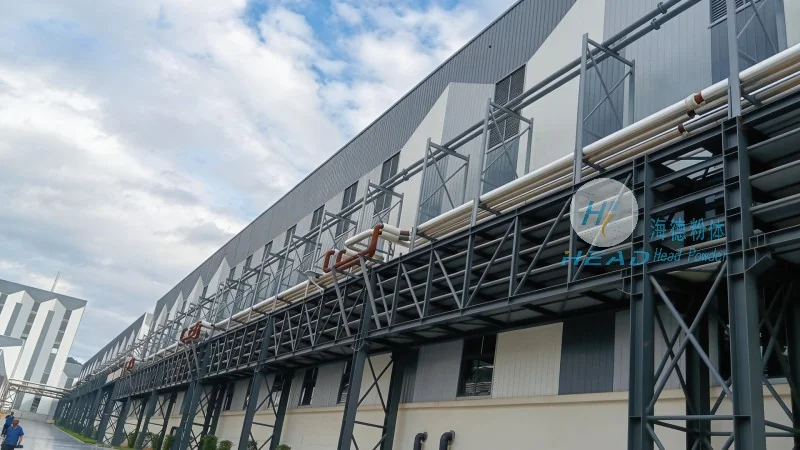
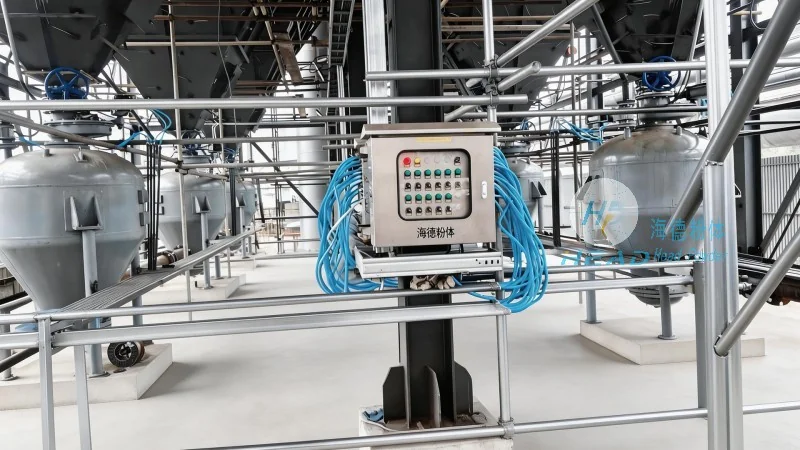
The coking coal granular material conveying line typically consists of several key components that work in tandem to facilitate the transport process. These components include feeders, conveyors (such as belt conveyors or screw conveyors), hoppers, and control systems. Each component plays a vital role in the overall operation, ensuring that the material is moved from the source to the destination without interruption. The feeders are responsible for evenly distributing the coal into the conveyor system, preventing clumping and ensuring consistent flow. For example, a rotary valve feeder can be used to control the rate of material discharge, while a vibrating feeder can provide a more uniform feed. The conveyors, often belt conveyors due to their high capacity and low maintenance requirements, transport the coal along the designated path. The hoppers are used to store and regulate the flow of coal, acting as a buffer to prevent overloading the conveyor system. Control systems, often integrated with sensors and automation, monitor the entire process, adjusting parameters such as conveyor speed and feeder output to maintain optimal performance. This automation ensures that the system operates efficiently and can adapt to changes in demand or material characteristics.
Design Principles for Efficient Material Handling
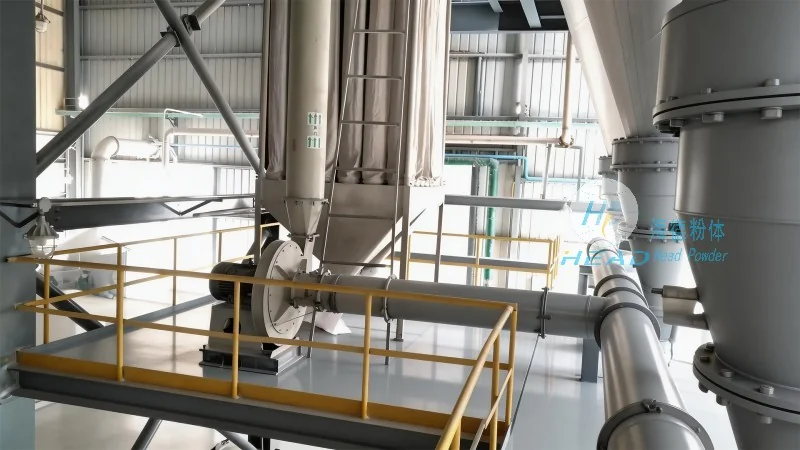
The design principles of a coking coal granular material conveying line are centered on efficiency, reliability, and safety. Engineers and designers focus on several key aspects to achieve these goals. First, the system must be capable of handling the specific characteristics of coking coal, such as its size (typically ranging from 3mm to 25mm), density (around 1.1 to 1.2 g/cm³), and moisture content (usually below 5%). This requires careful selection of materials for the conveyor components, such as high-strength rubber belts with anti-static properties to prevent dust accumulation and ensure safe operation. The components must also be resistant to abrasion and corrosion, as coking coal can be abrasive and may contain acidic components. Second, the design must prioritize energy efficiency, minimizing power consumption while maintaining high throughput. This is achieved through the use of efficient drive systems, such as variable frequency drives (VFDs), which allow for adjustable conveyor speeds based on the load. Optimized conveyor slopes and inclinations are also considered to reduce the energy required for transport. Third, safety is a paramount consideration, with features like emergency stop mechanisms, overload protection, and proper ventilation to prevent accidents and ensure worker safety. Additionally, the design must account for the environmental impact, incorporating measures to minimize dust emissions and noise pollution. Dust collection systems and soundproofing are often integrated into the design to comply with environmental regulations and maintain a safe working environment.
Application and Industry Relevance
Coking coal granular material conveying lines are widely used in the steel industry, where coking coal is a primary ingredient in the production of coke, which is then used in blast furnaces. The efficiency of these lines directly impacts the overall productivity of the steel manufacturing process. By ensuring a consistent and reliable supply of coking coal, the conveying line helps maintain steady production rates and reduces downtime caused by material handling issues. The system is also used in other industries that require bulk material transport, such as mining and power generation, where the principles of efficient conveying are equally important. For example, in mining operations, conveying lines are used to transport ore from the mine to processing facilities, while in power plants, they are used to transport coal to boilers. The adaptability of coking coal conveying lines makes them suitable for a wide range of industrial applications, contributing to improved operational efficiency and reduced costs.




