Color masterbatch material conveying lines are specialized industrial systems designed to efficiently transport and handle color masterbatch, a crucial additive used in the plastic and polymer manufacturing industry. These lines play a vital role in ensuring the consistent and reliable delivery of color masterbatch from storage to processing equipment. The design of such systems is tailored to meet the specific demands of color masterbatch handling, which often involves fine powders with unique flow characteristics. Understanding the components and operational principles of these conveying lines is essential for optimizing production efficiency and maintaining product quality.
Key Components of a Color Masterbatch Material Conveying Line
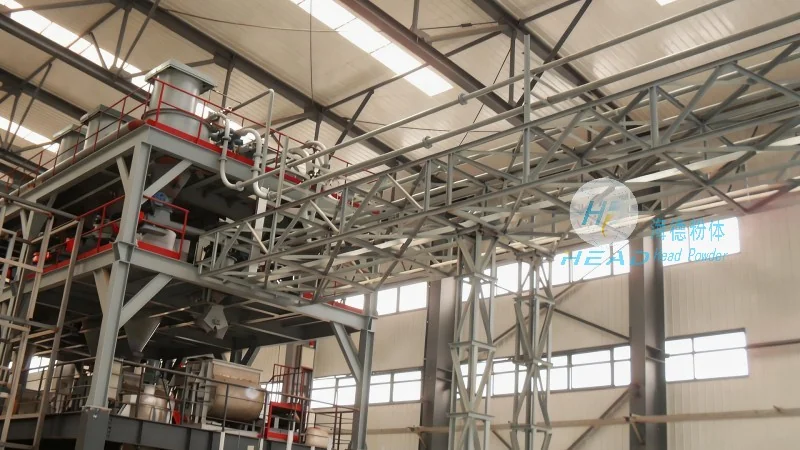
The core components of a color masterbatch material conveying line typically include feeders, conveyors, control systems, and storage units. Each component is engineered to work in harmony to achieve seamless material flow. Feeders, such as screw feeders or vibratory feeders, are used to regulate the flow rate of color masterbatch from storage silos or hoppers. These feeders ensure that the material is discharged at a consistent rate, preventing overloading or underloading of the conveyor system. Conveyors, which may include belt conveyors, screw conveyors, or pneumatic conveying systems, transport the color masterbatch from the feeder to the processing equipment. The choice of conveyor type depends on factors like material properties, required capacity, and system layout. Control systems, often integrated with sensors and programmable logic controllers (PLCs), monitor and regulate the entire conveying process. These systems can adjust flow rates, detect blockages, and initiate emergency shutdowns if necessary. Storage units, such as bulk storage silos or hopper bins, provide a buffer for color masterbatch, ensuring a steady supply even during production fluctuations.
Design Principles for Efficient Material Handling
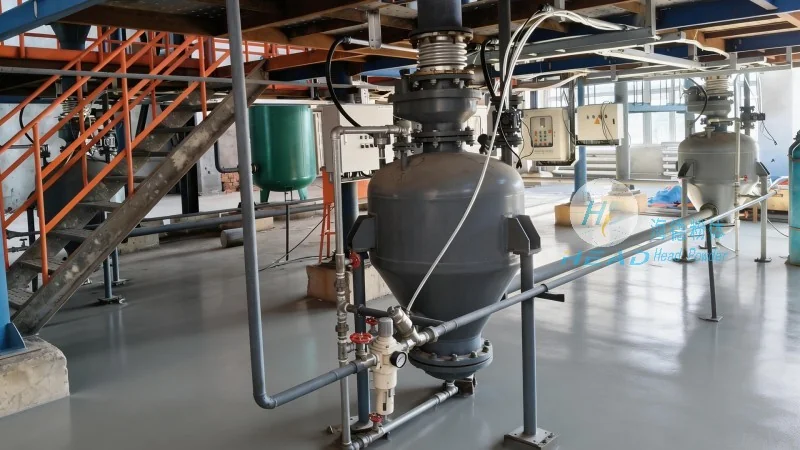
The design principles of color masterbatch material conveying lines focus on minimizing material degradation, ensuring consistent flow, and maximizing system reliability. One of the primary design considerations is the prevention of material segregation and agglomeration. Color masterbatch powders are often fine and can be prone to sticking together or forming lumps, which can disrupt the conveying process. To address this, conveying lines incorporate features like agitators, air knives, or vibration mechanisms to keep the material in a free-flowing state. Another critical design principle is the minimization of material attrition and wear. Color masterbatch particles are typically hard and abrasive, which can cause wear on conveyor components over time. Therefore, materials like stainless steel, food-grade plastics, or specialized coatings are used for conveyor parts to extend their lifespan and maintain product integrity. Additionally, the design emphasizes energy efficiency and operational flexibility. Modern conveying lines are often equipped with variable speed drives and adjustable feed rates, allowing operators to adapt to different production needs without significant downtime. The integration of advanced sensors, such as level detectors and flow meters, further enhances the system's ability to monitor and control the conveying process in real-time.
Advantages of Using a Color Masterbatch Material Conveying Line
Implementing a color masterbatch material conveying line offers several advantages for manufacturers. Firstly, it significantly improves production efficiency by ensuring a continuous and consistent supply of color masterbatch. This reduces downtime caused by material shortages or manual handling, leading to higher output and better productivity. Secondly, the automated nature of these systems enhances product quality by minimizing human error and maintaining uniform material flow. Consistent flow rates and controlled handling prevent issues like color variation or material contamination, which are common in manual handling processes. Thirdly, the design of these lines promotes safety in the workplace. By automating material transport, the risk of accidents related to manual handling of powders is reduced. Additionally, the enclosed systems help contain dust and prevent environmental contamination, aligning with regulatory requirements and promoting a cleaner working environment. Finally, the scalability of color masterbatch material conveying lines allows manufacturers to adapt to changing production demands. Whether expanding production capacity or integrating new processing equipment, these systems can be easily modified or upgraded to meet evolving needs, providing long-term value and flexibility.
Conclusion
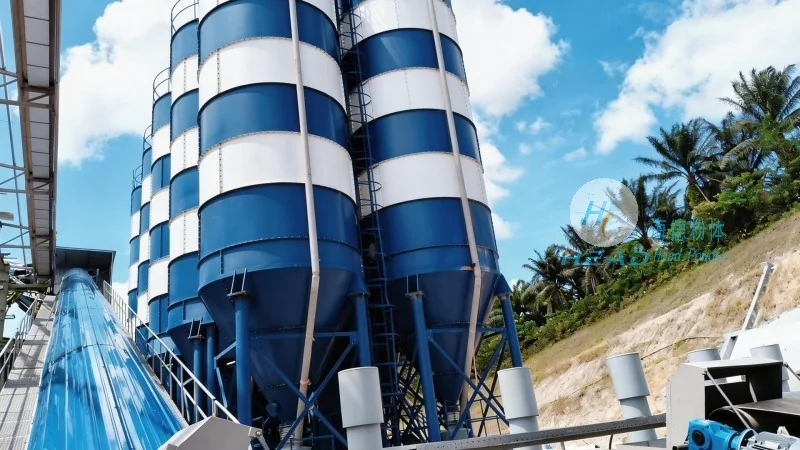
In conclusion, color masterbatch material conveying lines are essential industrial systems that facilitate the efficient and reliable handling of color masterbatch in plastic and polymer manufacturing. The design principles, components, and operational features of these lines are carefully engineered to address the unique challenges of color masterbatch handling, including fine powder characteristics, flow control, and material integrity. By leveraging advanced technology and robust design, these systems enhance production efficiency, improve product quality, and ensure workplace safety. For manufacturers seeking to optimize their color masterbatch handling processes, investing in a well-designed conveying line is a strategic decision that can yield significant long-term benefits. Shandong HeadPowder Engineering Co., Ltd., a leading provider of such systems, specializes in customizing conveying solutions to meet the specific requirements of clients, ensuring that their color masterbatch handling operations run smoothly and efficiently.




