

[Silica Powder Material Handling System Equipment: Exploring Its Function and Design Principles]
When it comes to efficiently transporting and managing silica powder, specialized equipment is essential for ensuring safety, efficiency, and product integrity. The silica powder material handling system equipment is a critical component in many industrial processes, designed to handle the unique properties of silica powder while maintaining operational standards. This article delves into what such systems entail and the underlying design principles that make them effective.
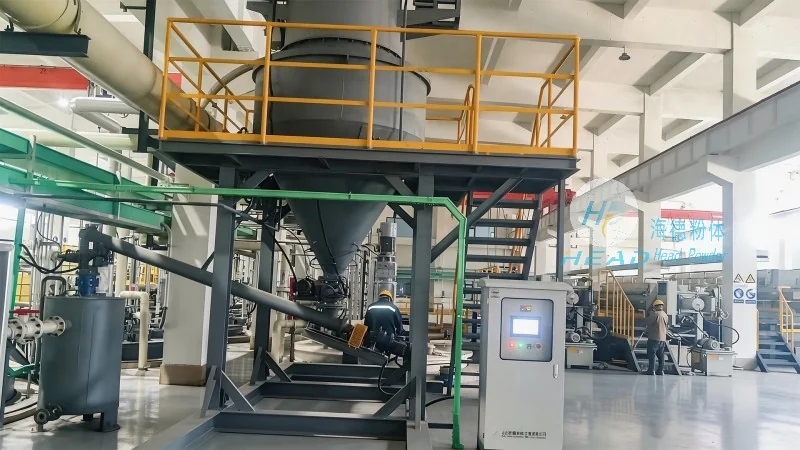
Understanding Silica Powder Material Handling Systems
Silica powder, also known as quartz powder, is a common industrial material used in various applications, including construction, glass manufacturing, and as a filler in plastics. Due to its fine particle size and potential for dust generation, handling this material requires specialized equipment to prevent health hazards and ensure smooth operation. The silica powder material handling system equipment is engineered to address these challenges by integrating several key components that work in tandem to move, store, and process the powder safely and efficiently.
Key Components of the Silica Powder Material Handling System
The core of any silica powder material handling system is a combination of equipment designed to handle the material's characteristics. These components typically include feeders, conveyors, storage silos, and dust control systems. Each component plays a crucial role in the overall operation:
1. **Feeders**: These devices regulate the flow of silica powder from storage silos to the conveyor system. They ensure a consistent and controlled feed rate, preventing overloading or underfeeding that could disrupt the entire process. Common types include rotary valves and vibratory feeders, which are chosen based on the powder's flowability and the required discharge rate.
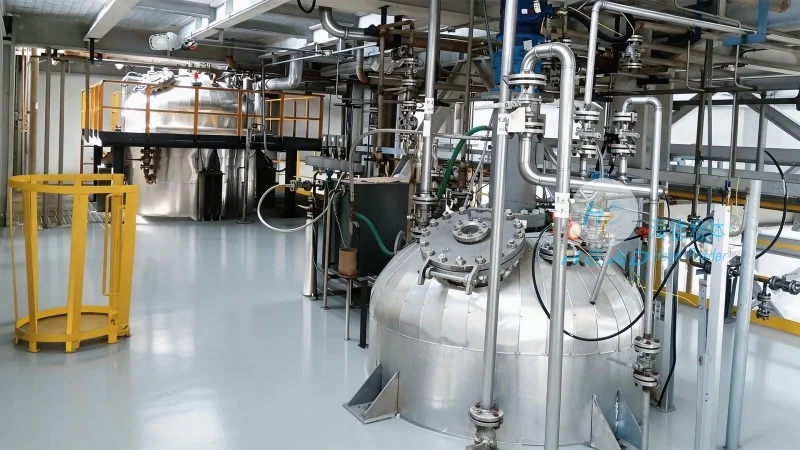
2. **Conveyors**: Conveyors are the primary means of transporting silica powder from one location to another within the system. They can be categorized into different types, such as belt conveyors, screw conveyors, and pneumatic conveyors. The choice of conveyor depends on factors like the distance to be covered, the volume of material, and the need for dust control. For silica powder, which can be abrasive, high-quality materials and proper maintenance are essential to prevent wear and tear.
3. **Storage Silos**: These are large containers used to store bulk quantities of silica powder. They are designed to maintain the material's quality and prevent contamination. Silos often incorporate features like agitators or air cannons to prevent material bridging or caking, which can occur with fine powders like silica.
4. **Dust Control Systems**: Silica powder is a respiratory hazard when inhaled, making dust control a critical safety feature. The system typically includes dust collection hoods, filters, and ventilation systems to capture and remove airborne particles. This not only protects workers but also helps maintain a clean and safe working environment.
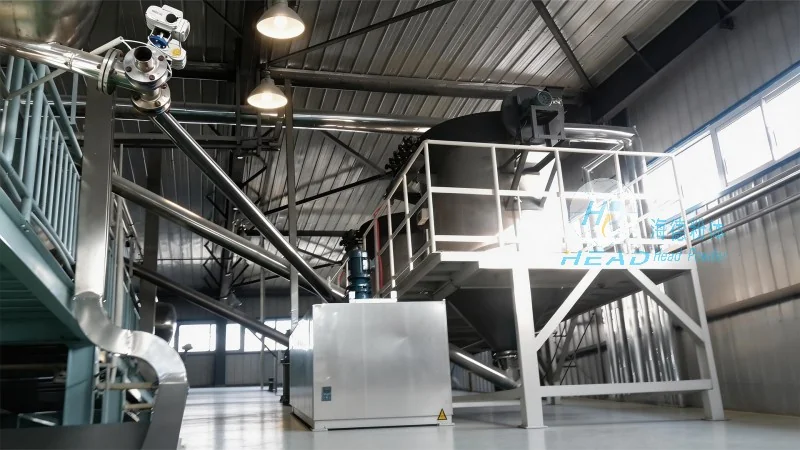
Design Principles Behind the Equipment
The design of silica powder material handling systems is guided by several key principles to ensure optimal performance and safety. These principles focus on material properties, operational efficiency, and environmental compliance:
1. **Material Compatibility**: The equipment is constructed from materials that are resistant to the abrasive and corrosive nature of silica powder. Common materials include stainless steel, aluminum, and specialized plastics. This prevents equipment wear and ensures the powder does not contaminate the system.
2. **Aerodynamic Design**: To minimize dust generation and improve material flow, the system components are designed with smooth surfaces and proper angles. This reduces friction and prevents material buildup, which can lead to blockages or uneven flow.
3. **Safety and Compliance**: The design incorporates safety features such as explosion-proof components, emergency stop buttons, and monitoring systems to comply with industrial safety regulations. This ensures that the system operates within legal and safety standards, protecting both personnel and the environment.
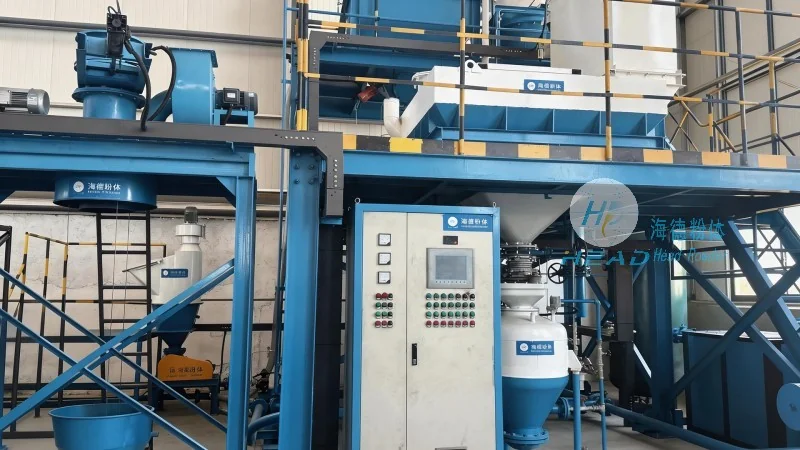
4. **Modular and Scalable Design**: Modern silica powder material handling systems are often designed as modular units, allowing for easy expansion or modification as production needs change. This flexibility ensures that the system can adapt to varying production volumes and requirements without requiring a complete overhaul.
Benefits of Using a Professional System
Implementing a well-designed silica powder material handling system offers numerous benefits for industrial operations. These include improved efficiency, reduced downtime, enhanced safety, and better product quality. By automating the material handling process, companies can minimize human error and increase productivity. Additionally, the dust control features help maintain a clean and healthy workplace, reducing the risk of respiratory illnesses among workers.
Conclusion
In conclusion, the silica powder material handling system equipment is a sophisticated solution designed to address the unique challenges of handling fine, abrasive materials like silica powder. By integrating specialized components and adhering to key design principles, these systems ensure safe, efficient, and reliable operation. For industries relying on silica powder, investing in a well-designed material handling system is a critical step toward optimizing production processes and maintaining workplace safety.