

What is a Glass Slag Powder Pneumatic Conveying System? And What Are Its Design Principles?
Glass slag, a byproduct of glass manufacturing processes, often requires efficient and reliable handling for recycling or disposal. A glass slag powder pneumatic conveying system offers a solution to transport these fine particles over long distances or within industrial facilities. This system utilizes air pressure or vacuum to move the material through a network of pipes, eliminating the need for mechanical components like belts or buckets that might be prone to wear and tear in abrasive environments.
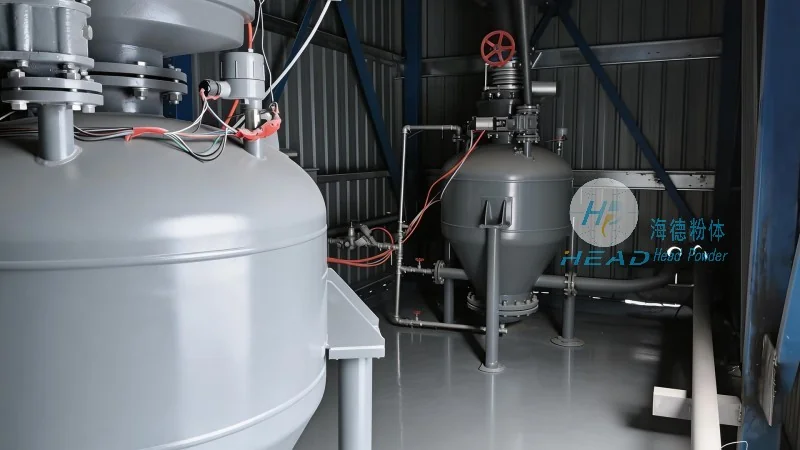
Key Components of a Glass Slag Pneumatic Conveying System
The core components of such a system typically include a material feeder, a conveying line (often with bends and expansions), a receiver or silo, and a dust collection or filtration unit. The material feeder is designed to handle the glass slag in a controlled manner, ensuring consistent flow into the system. The conveying line may incorporate special fittings and valves to manage pressure and flow rates. The receiver is crucial for storing the conveyed material, while the filtration unit ensures that any airborne particles are captured, protecting both the environment and downstream equipment.
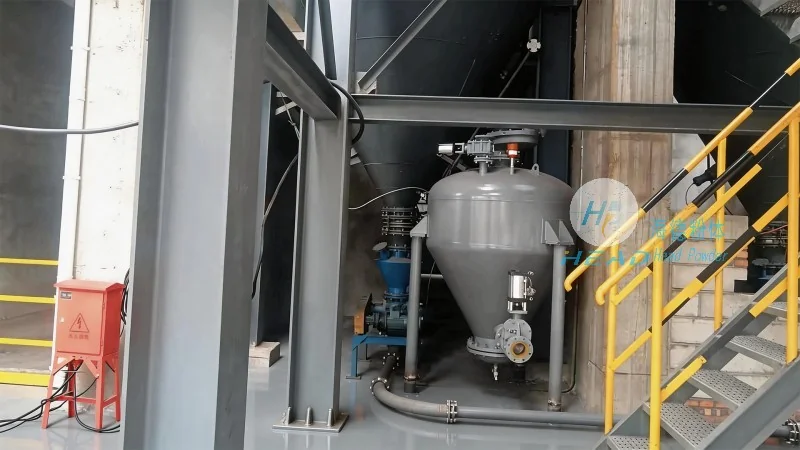
Design Principles for Efficient Glass Slag Powder Conveying
Designing an effective glass slag pneumatic conveying system involves several critical principles. First, the system must be capable of handling the abrasive nature of glass slag, which can cause wear on pipes and components. Materials such as stainless steel or specialized coatings are often used for the conveying line and fittings to extend service life. Second, the system must maintain sufficient air velocity to prevent particle settling and blockages. Engineers calculate the required air velocity based on the particle size, density, and flow rate, ensuring that the particles remain suspended in the air stream. Third, the system must account for the potential for dust and particulate emissions, incorporating filtration and dust collection systems to comply with environmental regulations and maintain workplace safety.
Application Considerations and Operational Efficiency
When implementing a glass slag powder pneumatic conveying system, several factors must be considered to ensure optimal performance. The system's capacity and the distance over which material needs to be conveyed are primary considerations. The choice of conveying method—whether positive pressure (where air is blown into the system) or negative pressure (where air is drawn out)—depends on the specific application and the need to minimize dust emissions. Additionally, the system's design must accommodate the varying characteristics of glass slag, such as moisture content and particle size distribution, which can affect flow and handling. Regular maintenance, including cleaning of filters and checking for wear on components, is essential to maintain efficiency and prevent system failures.
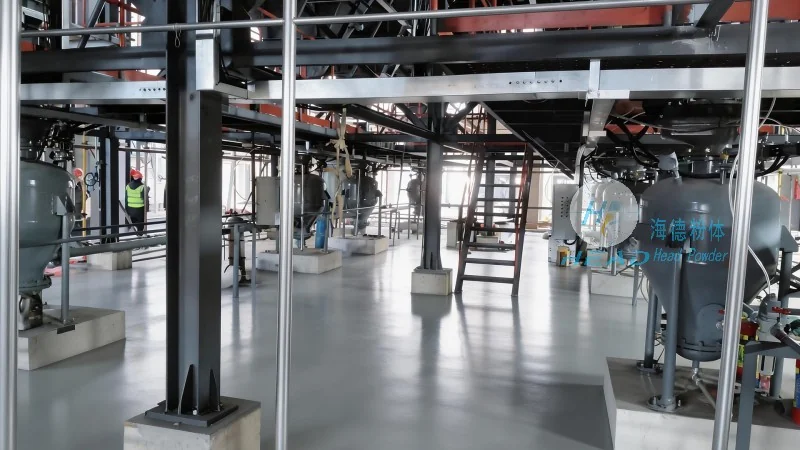
Shandong HeadPowder Engineering Co., Ltd.: Expertise in Glass Slag Handling Solutions
For businesses seeking reliable and efficient glass slag powder pneumatic conveying systems, Shandong HeadPowder Engineering Co., Ltd. offers comprehensive solutions tailored to specific operational needs. With a focus on engineering excellence and customer satisfaction, HeadPowder provides systems that are designed to handle the unique challenges of glass slag, including its abrasive properties and fine particle size. The company's expertise in material handling and pneumatic conveying technology ensures that clients receive systems that are not only effective but also durable and cost-efficient over the long term. HeadPowder's commitment to quality and innovation positions it as a trusted partner for industrial facilities requiring advanced material transport solutions.