

What is a Sodium Chloride Powder Pneumatic Conveying System? And What Are Its Design Principles?
Shandong HeadPowder Engineering Co., Ltd., a professional manufacturer specializing in pneumatic conveying systems, is headquartered in Shandong, China. The company focuses on providing efficient and reliable solutions for powder material handling, including systems designed for sodium chloride powder transport. Understanding the fundamentals of such systems and their design principles is crucial for industries that rely on precise and low-loss material transfer.
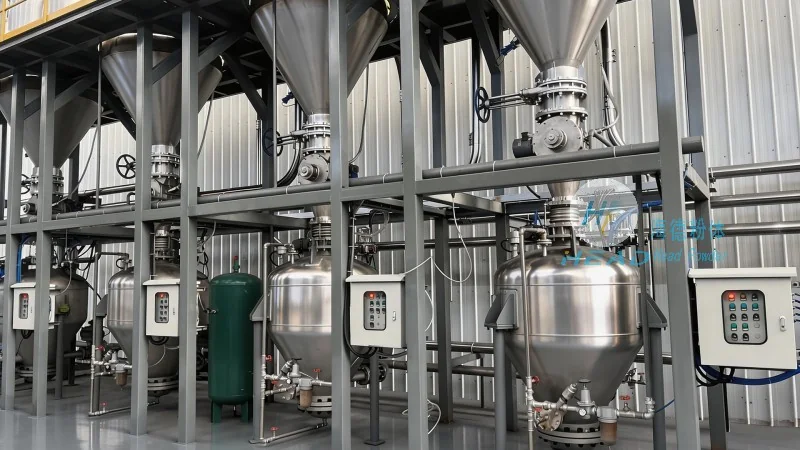
What is a Sodium Chloride Powder Pneumatic Conveying System?
A sodium chloride powder pneumatic conveying system is a technology that utilizes air or gas to transport solid powder materials, such as sodium chloride, from one location to another. This method offers advantages over traditional mechanical conveying, including reduced risk of material contamination, lower maintenance requirements, and the ability to handle materials that are difficult to transport via conventional means. The system typically consists of several key components, including a material feeder, conveying pipeline, air source (blower or compressor), separation equipment, and a control system. For sodium chloride, which is commonly used in various industries like food processing, pharmaceuticals, and chemical manufacturing, the system must be designed to handle the specific properties of the powder, such as its density, flowability, and particle size.
Key Design Principles for the System
The design of a sodium chloride powder pneumatic conveying system is based on several critical principles to ensure efficient and stable operation. First, the air velocity within the pipeline must be sufficient to lift and transport the powder particles without causing excessive wear on the system components. This velocity is often determined by the particle size and density of the sodium chloride, as well as the desired conveying distance. Second, the system must maintain appropriate pressure levels, either positive (blowing air into the pipeline) or negative (suction from the pipeline), to ensure consistent material flow. Positive pressure systems are commonly used for long-distance or high-capacity transport, while negative pressure systems are suitable for shorter distances or when the material needs to be collected from multiple points.
Components and Their Functions
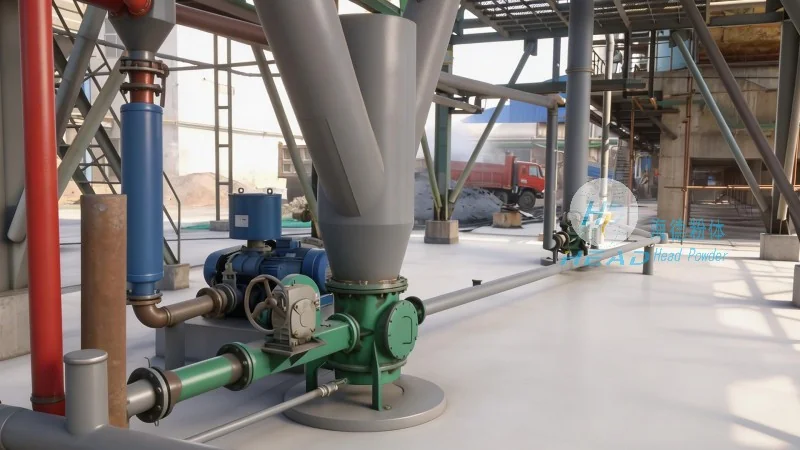
The core components of a sodium chloride powder pneumatic conveying system include: 1. **Feeder**: This device ensures a consistent and controlled flow of sodium chloride into the conveying pipeline. For fine powders like sodium chloride, a rotary valve or a star feeder is often used to prevent blockages and maintain uniform material feed. 2. **Conveying Pipeline**: The pipeline is typically made of materials resistant to corrosion and wear, such as stainless steel or high-density polyethylene (HDPE), to withstand the abrasive nature of the powder and any potential chemical interactions. The diameter of the pipeline is chosen based on the required flow rate and the air velocity needed to transport the powder. 3. **Air Source**: A blower or compressor provides the necessary air pressure and volume to move the powder. The selection of the air source depends on the system's capacity and the distance of the conveying line. 4. **Separation Equipment**: At the end of the conveying line, a separator (such as a cyclone or bag filter) is used to separate the air from the sodium chloride powder. This step is essential to recover the material and maintain air quality. 5. **Control System**: Modern systems incorporate sensors and controls to monitor parameters like pressure, flow rate, and temperature, ensuring optimal operation and preventing system failures.
Advantages of Using a Pneumatic Conveying System for Sodium Chloride
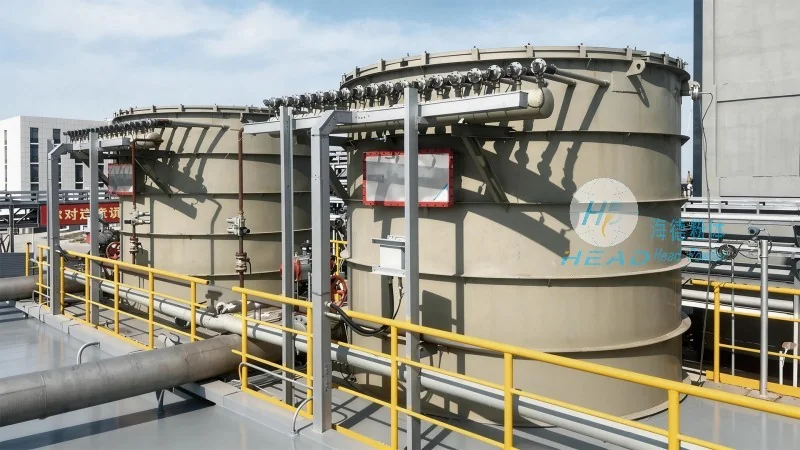
Implementing a pneumatic conveying system for sodium chloride offers several benefits for industrial applications. Firstly, it minimizes material loss and contamination, which is critical in industries where product purity is paramount, such as pharmaceuticals and food processing. Secondly, the system reduces labor costs by automating the material handling process, allowing for continuous operation without manual intervention. Thirdly, it improves safety by eliminating the need for manual handling of powders, which can pose respiratory and dust-related health risks. Additionally, the system can be easily integrated with existing production lines, providing flexibility and scalability for growing businesses.
Application Examples in Industries
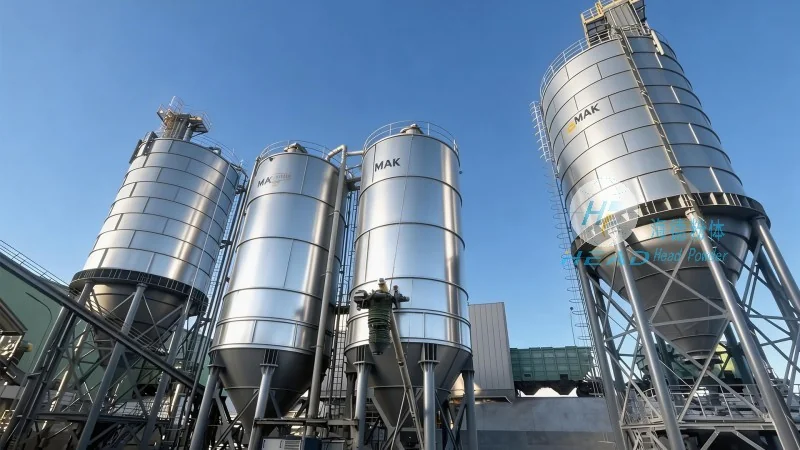
Sodium chloride powder pneumatic conveying systems are widely used in various sectors. In the food industry, for example, the system is employed to transport salt from storage silos to processing equipment, ensuring a steady supply of raw material for products like snacks and seasonings. In the pharmaceutical industry, the system is used to convey sodium chloride for use in medication formulations, where precision and cleanliness are essential. Similarly, in chemical manufacturing, the system helps transport sodium chloride for use in processes like water treatment or chemical synthesis, where consistent material flow is required to maintain production efficiency.
Conclusion
Understanding the design principles and components of a sodium chloride powder pneumatic conveying system is vital for industries seeking efficient and reliable material handling solutions. By leveraging the expertise of manufacturers like Shandong HeadPowder Engineering Co., Ltd., businesses can implement systems that meet their specific needs, ensuring optimal performance, safety, and cost-effectiveness. The system's ability to handle sodium chloride effectively, while minimizing risks and maximizing efficiency, makes it a preferred choice for many industrial applications.