

What is a Foam Plastic Powder Pneumatic Conveying System? And What Are Its Design Principles?
For industries dealing with foam plastic powders, efficient material handling is crucial. A foam plastic powder pneumatic conveying system is a specialized solution designed to transport these lightweight, often abrasive powders through a pipeline using air pressure. This technology offers a clean, low-maintenance alternative to traditional mechanical conveying methods, making it ideal for applications where dust control and product purity are paramount.
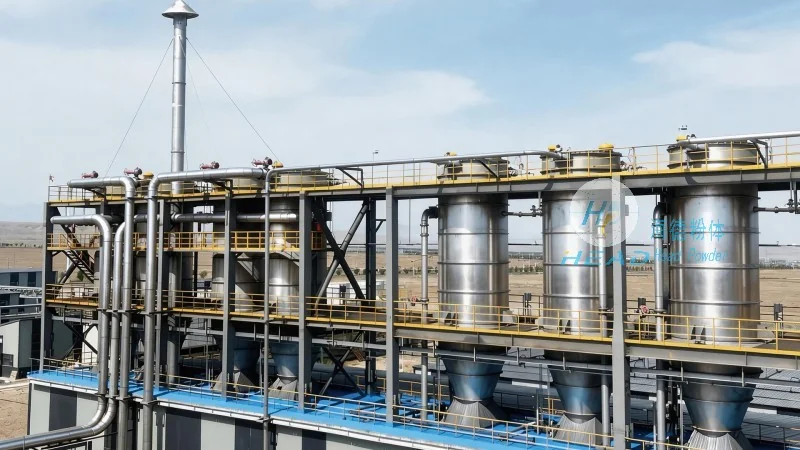
Understanding the Core Components of a Foam Plastic Powder Pneumatic Conveying System
The system typically consists of several key components that work in tandem to ensure reliable material transport. At the heart of the system is the material feed hopper, which stores and meters the foam plastic powder. This hopper is equipped with a feeder mechanism, such as a rotary valve or a screw feeder, to control the flow rate of the powder into the conveying line. The feeder is critical for maintaining consistent material throughput and preventing blockages, especially given the low density of foam plastic powders.
Next, the conveying line itself is a network of pipes that transport the powder. The design of these pipes is tailored to the properties of foam plastic powders, which are often light and can settle quickly. To prevent clogging and ensure smooth flow, the pipes are usually made of materials like stainless steel or plastic, with smooth inner surfaces to minimize friction. The system may also include expansion joints or bends that are carefully designed to accommodate the unique flow characteristics of these powders.
The Role of Air in Foam Plastic Powder Pneumatic Conveying
Air is the driving force behind the conveying process. The system uses a blower or a compressor to generate the necessary air pressure, which is then introduced into the conveying line. The air velocity is carefully controlled to achieve a "dense phase" or "lean phase" conveying mode, depending on the application. Dense phase conveying involves moving the powder in a slurry-like state, where the powder particles are closely packed and suspended by the air, reducing the risk of particle degradation and ensuring a more uniform flow. Lean phase conveying, on the other hand, uses higher air velocities to transport the powder in a more dilute state, which is suitable for longer distances or when the powder is less abrasive.
Design Principles for Optimal Performance
The design of a foam plastic powder pneumatic conveying system follows several key principles to maximize efficiency and reliability. One of the primary principles is maintaining a consistent air-to-powder ratio. This ratio is crucial for achieving the desired conveying velocity and preventing the powder from settling or clogging the system. Engineers calculate the optimal ratio based on the specific properties of the foam plastic powder, such as its bulk density, particle size, and moisture content.
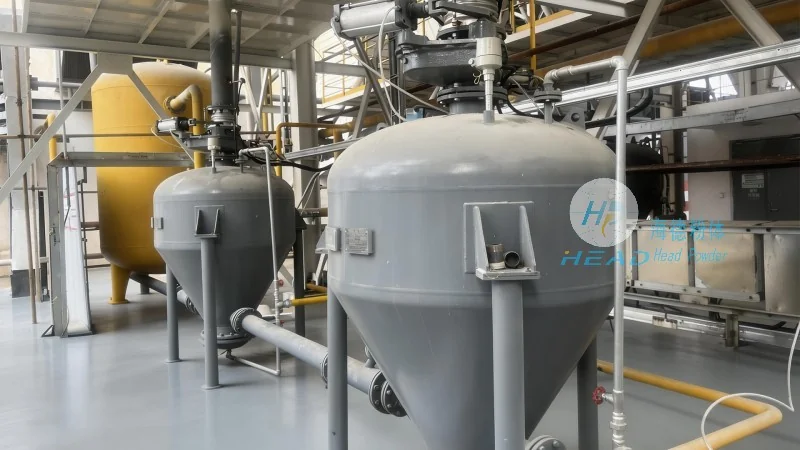
Another critical design principle is the prevention of material degradation. Foam plastic powders are often sensitive to high temperatures or mechanical stress, which can cause them to break down or lose their properties. To mitigate this, the system is designed with minimal contact points and smooth surfaces to reduce friction. Additionally, the air used in the system is often filtered and conditioned to remove contaminants that could damage the powder or the equipment.
Advantages of Using a Foam Plastic Powder Pneumatic Conveying System
Implementing a foam plastic powder pneumatic conveying system offers several advantages over traditional methods. First, it provides a dust-free and clean environment, which is essential for maintaining product quality and compliance with regulatory standards. Unlike mechanical conveying systems, which can generate significant dust and require extensive filtration, pneumatic systems keep the material contained within the pipeline, reducing the risk of contamination and improving workplace safety.
Second, the system is highly flexible and can be easily integrated into existing production lines. It can handle a wide range of foam plastic powders, from low-density to high-density materials, and can transport them over varying distances. The modular design of the system allows for easy expansion or modification as production needs change.
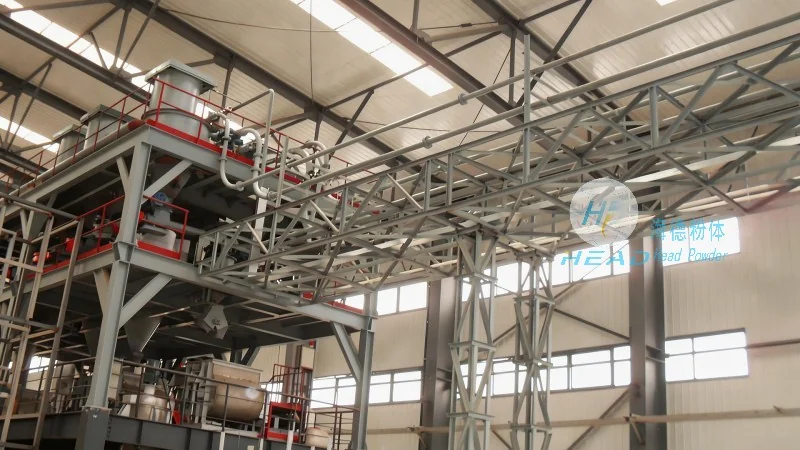
Third, the low maintenance requirements of pneumatic conveying systems contribute to cost savings over time. With fewer moving parts and no need for regular lubrication or replacement of wear components, the system reduces downtime and maintenance costs. This makes it a cost-effective solution for long-term material handling needs.
Applications in the Foam Plastic Industry
Foam plastic powder pneumatic conveying systems are widely used in various applications within the foam plastic industry. For example, in the production of polystyrene foam, the system is used to transport raw materials from storage to processing equipment. In the manufacturing of expanded polystyrene (EPS) beads, the system ensures that the beads are conveyed efficiently to the molding machines, minimizing the risk of degradation and ensuring consistent product quality.
In the production of polyurethane foam, the system is used to transport the foam plastic powders used as additives or fillers. This is particularly important in applications where the foam needs to be lightweight and have specific mechanical properties, as the conveying system ensures that the powders are delivered in a controlled manner without compromising their quality.
Conclusion
A foam plastic powder pneumatic conveying system is a sophisticated and efficient solution for handling lightweight, low-density powders in the foam plastic industry. By understanding the design principles and components of such a system, manufacturers can optimize their material handling processes, improve product quality, and reduce operational costs. With the expertise of companies like Shandong HeadPowder Engineering Co., Ltd., based in China, industries can leverage advanced pneumatic conveying technology to enhance their production capabilities and stay competitive in the market.