

What is a Silica Powder Material Pneumatic Conveying System? And What Are Its Design Principles?
Silica powder, a widely used industrial material in sectors like construction, glass manufacturing, and chemical processing, often requires efficient and reliable transportation methods to move it between locations. A pneumatic conveying system is a key solution for handling silica powder, utilizing air or other gases to transport the material through an enclosed pipeline. This article explores what a silica powder material pneumatic conveying line entails and examines the core design principles that dictate its operation.
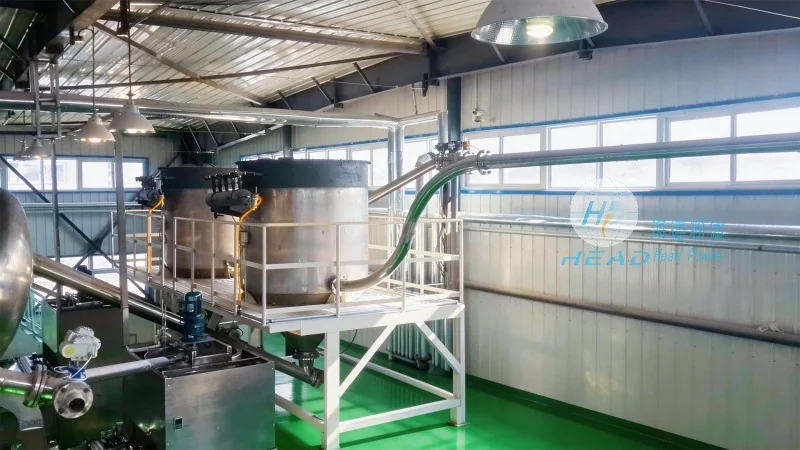
Understanding Silica Powder Pneumatic Conveying Systems
A silica powder material pneumatic conveying line is a specialized system engineered to transport dry, fine powders such as silica through a network of pipes using pressurized or vacuum air. The system typically includes components like a hopper for material storage, a feeder to regulate flow rates, a conveying line with appropriate pipe diameters and bends, and a separation or collection unit at the end. The primary objective of this system is to move the powder efficiently while minimizing product degradation, dust emissions, and operational costs. Shandong HeadPowder Engineering Co., Ltd., a company based in China, specializes in designing and manufacturing these systems tailored to the specific needs of clients in the silica powder industry.
Key Design Principles for Silica Powder Pneumatic Conveying
The design of a silica powder pneumatic conveying system involves several critical principles to ensure optimal performance and reliability. First, the selection of the appropriate conveying method—either pressure or vacuum—is essential. Pressure conveying uses compressed air to push the material forward, while vacuum conveying uses a vacuum to pull the material. The choice depends on factors like the distance to be covered, the material's properties, and the system's capacity. For silica powder, which is often fine and abrasive, pressure conveying is commonly preferred as it offers better control over material flow and reduces the risk of blockages.
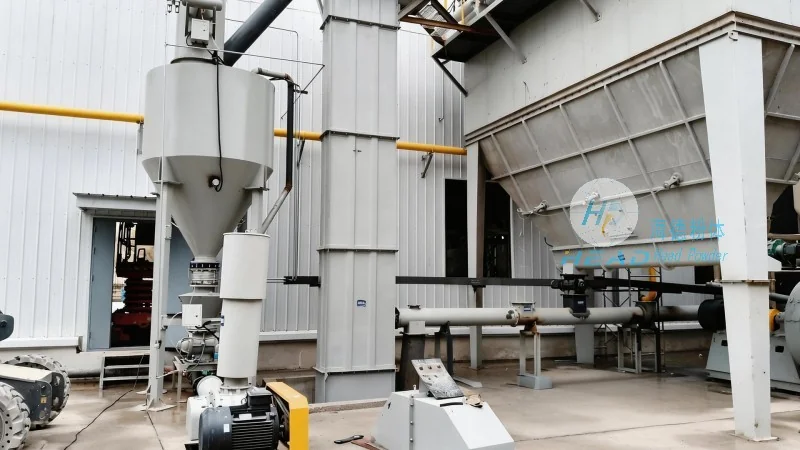
Second, the air velocity within the conveying line is a critical parameter. The air velocity must be high enough to keep the powder particles suspended but not so high as to cause excessive wear on equipment or increase energy consumption. The optimal velocity is determined by the particle size, density, and shape of the silica powder. For instance, smaller particles may require higher air velocities for suspension, while larger particles can be conveyed at lower velocities. Engineers at Shandong HeadPowder Engineering Co., Ltd. meticulously calculate the required air velocity based on these factors to ensure efficient and cost-effective operation.
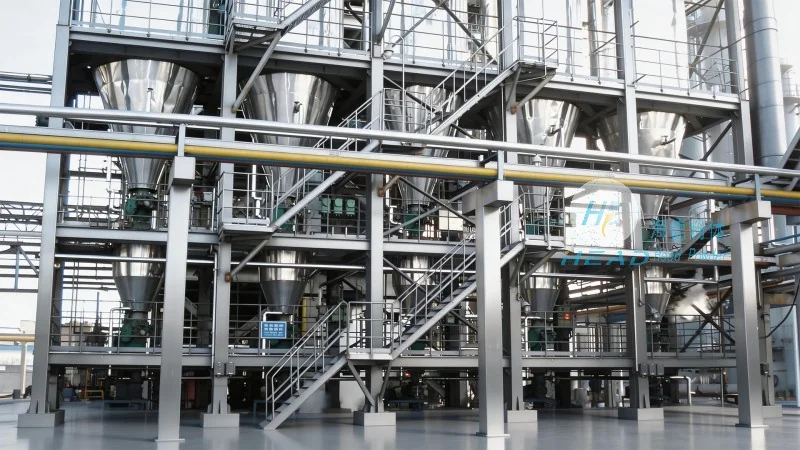
Pipeline Design and Components
The pipeline design is another essential aspect of the system's design. The pipe diameter, material, and configuration (straight sections, bends, and elbows) all impact performance. For silica powder, which can be abrasive, the pipeline is often made of materials like stainless steel or special alloys to withstand wear and corrosion. Bends and elbows are designed with smooth transitions to minimize pressure drop and prevent particle accumulation. The system also includes filters, cyclones, and dust collectors to separate the powder from the air at the end, ensuring the material is collected in a clean and dry state. These components are vital for maintaining product quality and complying with environmental regulations.
Advantages of Silica Powder Pneumatic Conveying Systems
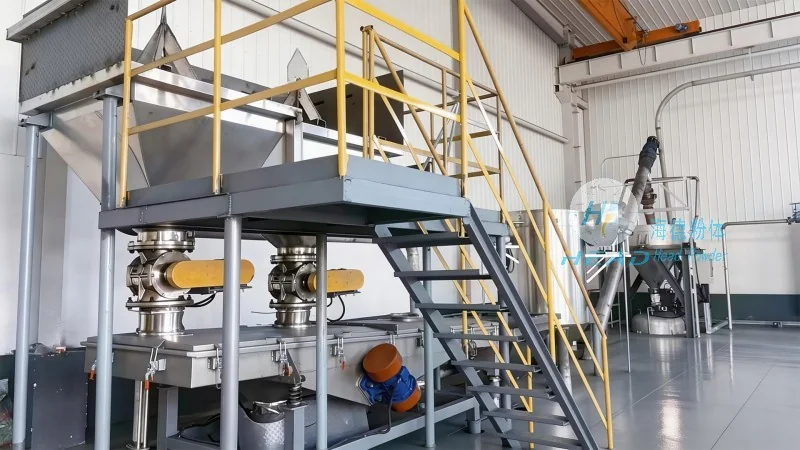
Implementing a pneumatic conveying system for silica powder offers several advantages over traditional methods like belt conveyors or bucket elevators. One major benefit is the ability to transport the material in a closed system, reducing dust emissions and enhancing workplace safety—critical for silica powder, which can be hazardous if inhaled. Additionally, pneumatic conveying systems can handle a wide range of flow rates and integrate easily with other processing equipment, such as mixers or reactors. The systems also offer layout flexibility, as the pipeline can be arranged in various configurations to suit the plant's design and operational needs. Companies like Shandong HeadPowder Engineering Co., Ltd. provide customized solutions that leverage these advantages to meet client-specific requirements.
Conclusion
In summary, a silica powder material pneumatic conveying line is a sophisticated system designed to efficiently transport fine powders like silica using air or other gases. The design principles—including the choice of conveying method, air velocity, pipeline configuration, and separation components—are crucial for ensuring the system's performance, reliability, and efficiency. Specialized companies such as Shandong HeadPowder Engineering Co., Ltd. play a vital role in delivering tailored solutions that meet the unique demands of the silica powder industry. By understanding and applying these design principles, industries can improve material handling processes, reduce costs, and enhance overall operational efficiency.