

What is a Titanium Dioxide Material Pneumatic Conveying System? What are its Design Principles?
When it comes to handling and transporting titanium dioxide, a specialized system known as a pneumatic conveying system is often employed. This technology is crucial for industries that rely on the efficient and safe movement of this white pigment, which is widely used in coatings, plastics, paper, and other applications. The system’s design principles are tailored to meet the unique characteristics of titanium dioxide, ensuring optimal performance and minimal product degradation. Shandong HeadPowder Engineering Co., Ltd., a leading manufacturer of such systems, specializes in designing and manufacturing high-quality pneumatic conveying solutions for titanium dioxide and other fine powders, with operations based in Shandong, China.
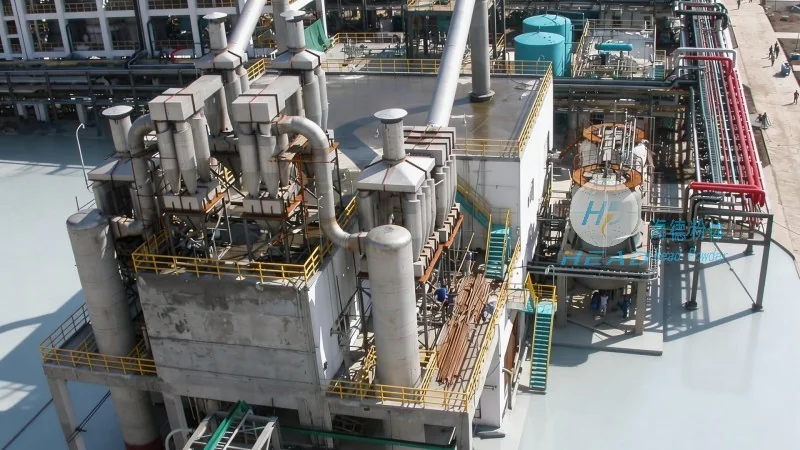
Understanding the Pneumatic Conveying System for Titanium Dioxide
A pneumatic conveying system for titanium dioxide is a closed-loop or open-loop system that uses air or other gases to transport the powder material from one location to another. The system typically consists of a hopper, a feeder, a pipeline, and a receiver. The hopper stores the titanium dioxide, and the feeder controls the flow rate of the material into the pipeline. The pipeline transports the material through the system, and the receiver collects the material at the destination. The system operates by creating a pressure differential between the hopper and the receiver, which draws the material through the pipeline using the air flow. This method allows for the seamless and continuous movement of the fine powder without the need for manual handling or intermediate storage.
Key Design Principles of the System
The design of a titanium dioxide pneumatic conveying system is based on several critical principles to ensure efficiency, reliability, and product integrity. First, the system must accommodate the high density and fine particle size of titanium dioxide. The material is typically a fine powder with a particle size ranging from 0.1 to 10 microns, and it has a high bulk density, which can range from 0.8 to 1.5 g/cm³. These characteristics require a system with sufficient air velocity to prevent particle settling and ensure smooth, unobstructed flow. Second, the system must minimize product degradation. Titanium dioxide is sensitive to moisture, temperature fluctuations, and mechanical stress, so the system is constructed with corrosion-resistant materials and equipped with features that prevent air leakage and moisture ingress. Third, the system must handle variations in material flow rate and pressure. It must be adaptable to changes in feed rate or pressure caused by material property shifts or operational adjustments. Fourth, ease of maintenance and cleaning is essential. Components are designed for easy access and cleaning, with features to prevent material accumulation in the pipeline. Finally, safety and environmental compliance are paramount. The system incorporates safety features like pressure relief valves and explosion-proof designs, and it is engineered to minimize emissions and noise.
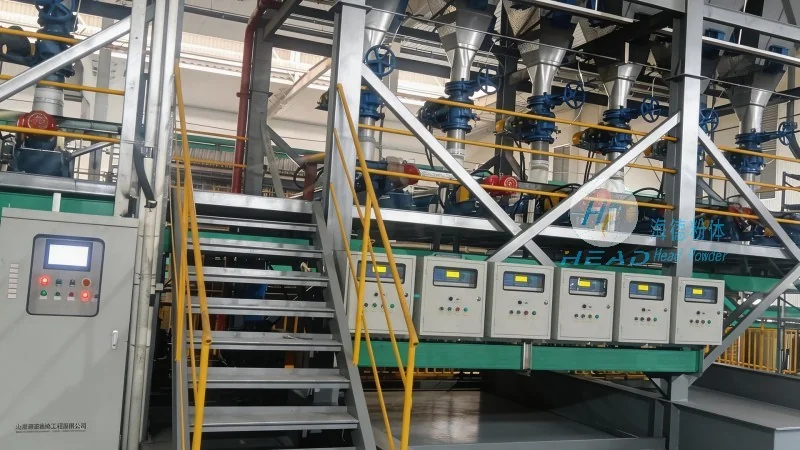
Components and Their Functions
The pneumatic conveying system for titanium dioxide comprises several key components, each with a specific role. The hopper is the storage vessel for the titanium dioxide, usually made of stainless steel or other corrosion-resistant materials, and fitted with a lid to prevent moisture and dust contamination. It is designed to hold an adequate quantity of material to sustain continuous operation. The feeder regulates the material flow from the hopper into the pipeline, typically using a rotary valve or screw feeder to handle fine powders without causing blockages or wear. The pipeline, the system’s main conduit, transports the material and is constructed from materials like stainless steel to resist corrosion and maintain structural integrity. It includes bends and elbows to direct the material flow and is engineered to maintain a consistent air velocity for smooth transport. The receiver collects the material at the destination, also made of corrosion-resistant materials with a lid to protect against environmental contaminants. The air compressor provides the necessary air or gas flow, using a positive displacement or centrifugal design to deliver the required pressure and flow rate. The air filter removes contaminants from the air before it enters the system, typically employing bag or cartridge filters to eliminate dust and particles. The control system, often a PLC or computer-based setup, monitors and adjusts the system’s operation, managing flow rates and pressure as needed to ensure optimal performance.
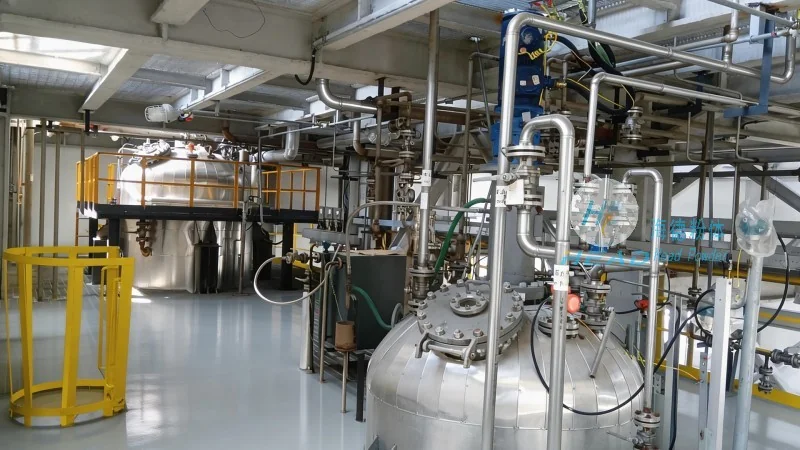
Advantages of Using a Pneumatic Conveying System
Employing a pneumatic conveying system for titanium dioxide offers several distinct advantages over traditional conveying methods. First, it enables the material to be transported over long distances without intermediate storage or handling, reducing the risk of contamination and enhancing overall process efficiency. Second, the system effectively handles the fine particle size of titanium dioxide, minimizing blockages and wear, which in turn reduces maintenance needs and extends the system’s lifespan. Third, by maintaining consistent temperature and pressure, the system minimizes product degradation, ensuring the titanium dioxide retains its quality and properties. Fourth, the system’s flexibility allows it to adapt to variations in material flow rate and pressure, making it suitable for diverse production requirements. Finally, the system meets safety and environmental regulations through built-in safety features and designs that limit emissions and noise, contributing to a safer and more sustainable operation.
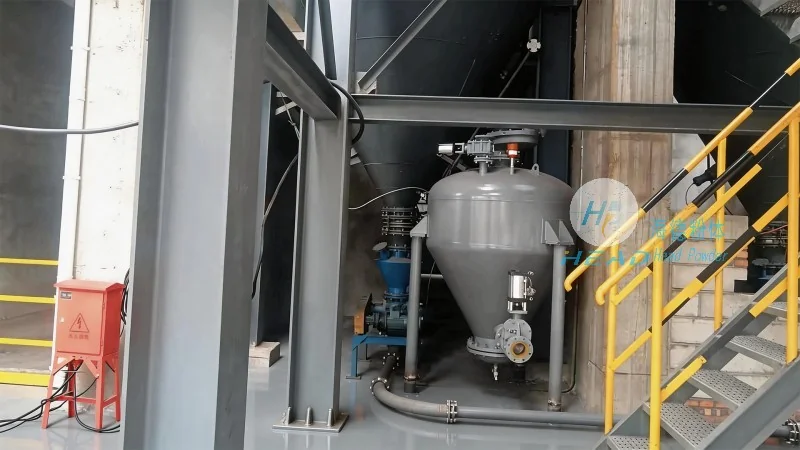
Applications of the System
The pneumatic conveying system for titanium dioxide is widely utilized across multiple industries, including coatings, plastics, paper, and pharmaceuticals. In the coatings industry, it efficiently transports titanium dioxide from storage to mixing tanks, ensuring precise pigment incorporation. In the plastics sector, the system delivers the pigment to extruders, supporting consistent material properties in final products. The paper industry relies on it to supply titanium dioxide to paper machines, enhancing paper brightness and quality. Beyond these, the system is also applied in the food and pharmaceutical industries as a filler or pigment, where its ability to handle fine powders safely and hygienically is critical. This versatility makes the system an essential component of modern production lines for titanium dioxide-based products.
Conclusion
A pneumatic conveying system for titanium dioxide is a specialized, high-performance solution designed to address the unique handling challenges of this critical white pigment. Its design principles, tailored to the material’s physical and chemical properties, ensure efficient, reliable, and safe operation. The system’s components work in concert to maintain product integrity, minimize degradation, and adapt to operational variations. As a leading provider, Shandong HeadPowder Engineering Co., Ltd. leverages these principles to deliver advanced pneumatic conveying systems that meet the demands of modern industries. With its focus on quality, safety, and adaptability, the system remains a cornerstone technology for the efficient and sustainable handling of titanium dioxide in various applications, supporting the production of high-quality products across multiple sectors.