

[Corn Kernel Material Pneumatic Conveyors: Understanding Their Function and Design Principles]
For those in the agricultural processing industry, particularly those dealing with corn kernel handling and transport, understanding the technology behind pneumatic conveyors is crucial. These systems are essential for efficiently moving bulk materials like corn kernels from one location to another within processing facilities. This article explores what a corn kernel material pneumatic conveyor is and delves into its core design principles, providing insights into how these systems operate and why they are a preferred choice for many operations.
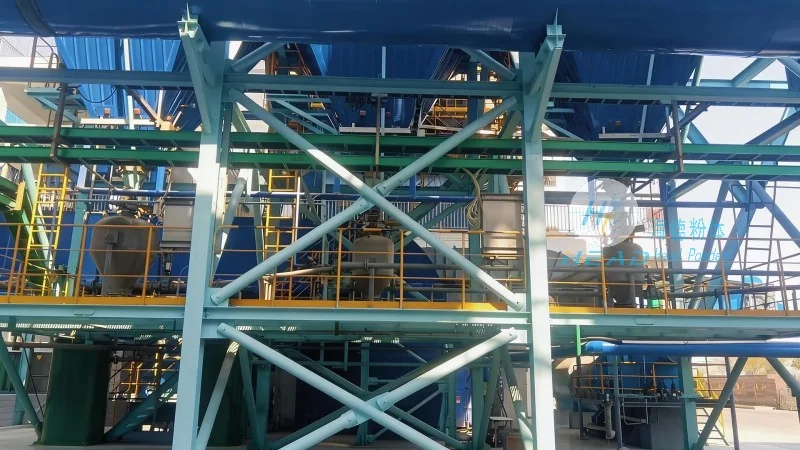
What is a Corn Kernel Material Pneumatic Conveyor?
A corn kernel material pneumatic conveyor is a type of pneumatic conveying system specifically designed to transport corn kernels and other similar bulk materials. Unlike traditional mechanical conveyors, which rely on belts, chains, or screws, pneumatic conveyors use a combination of air pressure and vacuum to move materials through a pipeline. This method offers several advantages, including the ability to transport materials in a closed system, reducing dust exposure and contamination, and enabling flexible routing of the conveying line.
Design Principles of Corn Kernel Pneumatic Conveyors
The design of a corn kernel material pneumatic conveyor is based on several key principles to ensure efficient and reliable operation. The primary components of such a system typically include a material feed hopper, an air supply system (either positive pressure or vacuum), a conveying pipeline, and a separation or discharge system. Each component plays a critical role in the overall functionality of the conveyor.
First, the material feed hopper is responsible for storing and feeding the corn kernels into the system. It is designed to handle the bulk volume of corn kernels and ensure a consistent flow into the conveying line. The hopper may include features such as a gate or valve to control the rate of material discharge, preventing overloading or underfeeding of the conveyor.
Second, the air supply system provides the necessary pressure or vacuum to move the corn kernels through the pipeline. Positive pressure systems use a blower or compressor to push air and material through the line, while vacuum systems use a vacuum pump to draw material and air into the line. The choice between positive and vacuum depends on factors such as the distance to be covered, the material's characteristics, and the desired flow rate.
Third, the conveying pipeline is the main channel through which the corn kernels are transported. It is typically made of materials like stainless steel or plastic, which are durable and resistant to corrosion from the corn kernels and any moisture present. The pipeline may include bends, elbows, or other fittings to direct the material to the desired destination. The diameter and length of the pipeline are carefully selected based on the material's flow characteristics and the required throughput.
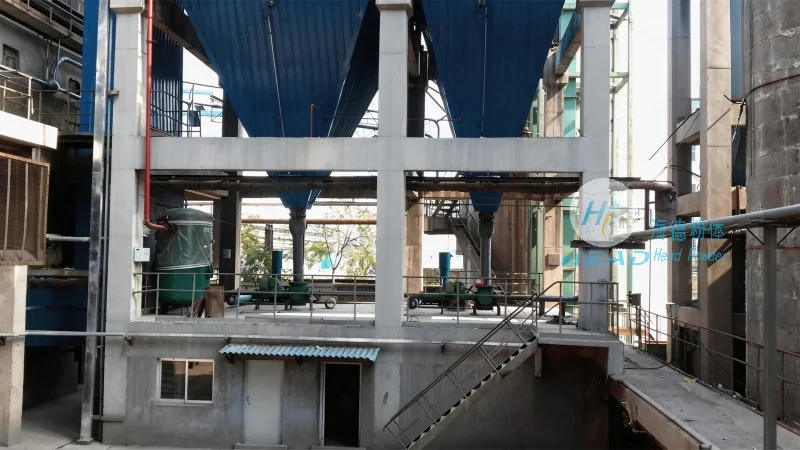
Fourth, the separation or discharge system is responsible for removing the corn kernels from the air stream at the end of the conveying line. This system may include a cyclone separator, a filter, or a collection bin. The cyclone separator uses centrifugal force to separate the corn kernels from the air, while the filter traps any remaining particles. The collected corn kernels are then discharged into a storage bin or processing equipment.
Key Features and Benefits of Corn Kernel Pneumatic Conveyors
When considering a corn kernel material pneumatic conveyor, several key features and benefits should be evaluated. These systems offer advantages such as reduced labor costs, as they require less manual handling of materials. They also minimize product damage compared to mechanical conveyors, which can cause abrasion or breakage of the corn kernels. Additionally, pneumatic conveyors are more hygienic and easier to clean, making them suitable for food processing applications where sanitation is critical.
Another significant benefit is the flexibility in system design. Pneumatic conveyors can be easily reconfigured or expanded to accommodate changes in production volume or processing needs. The ability to route the pipeline in various directions allows for efficient use of space within a processing facility. Furthermore, these systems are generally more energy-efficient than some mechanical alternatives, as they use less power to move the same amount of material over a given distance.
Applications in Corn Processing Facilities
Corn kernel material pneumatic conveyors are widely used in various stages of corn processing. In milling operations, they are used to transport raw corn kernels from storage silos to the milling equipment. In the production of corn starch or corn oil, they help move the kernels to the appropriate processing units. Additionally, they are used in the packaging and storage stages to move finished products or intermediate materials between different sections of the facility.
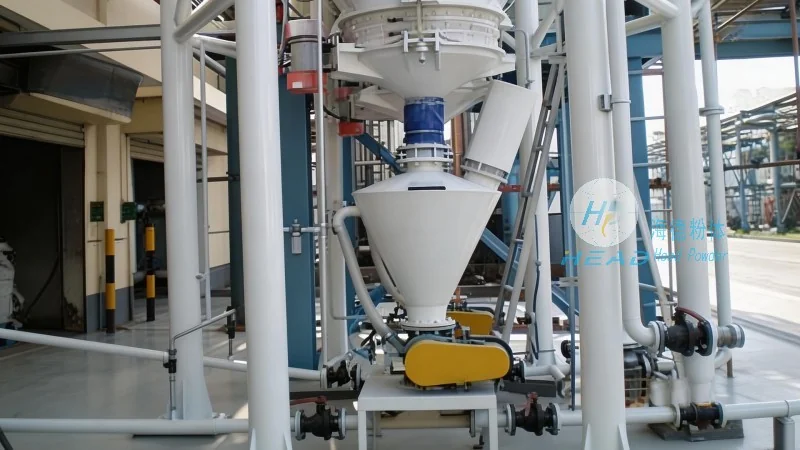
In feed mills, these conveyors are essential for transporting corn kernels to the mixing and grinding equipment. The ability to handle large volumes of material quickly and efficiently ensures that the production process remains smooth and uninterrupted. The consistent flow provided by pneumatic conveyors also helps maintain the quality of the final product by preventing segregation or contamination during transport.
Choosing the Right Corn Kernel Pneumatic Conveyor System
When selecting a corn kernel material pneumatic conveyor system, several factors should be considered to ensure optimal performance. The first is the material's characteristics, such as its size, density, and moisture content. These factors affect the flow rate and the type of conveying system required. For example, larger or denser corn kernels may require a higher air pressure or a larger pipeline diameter to ensure smooth transport.
Second, the distance and layout of the processing facility are important considerations. The length and number of bends in the pipeline will impact the system's efficiency and the required air pressure. A well-designed system will account for these factors to minimize energy consumption and maximize throughput.
Third, the desired throughput and production capacity are critical. The conveyor system must be able to handle the required volume of corn kernels without causing bottlenecks or overloading any components. This involves calculating the material's flow rate and the system's capacity to ensure that the conveyor can meet the production demands.
Fourth, the cost and maintenance requirements should be evaluated. While pneumatic conveyors may have higher initial costs compared to some mechanical alternatives, their long-term benefits, such as reduced maintenance and increased efficiency, often outweigh the initial investment. It is important to consider the total cost of ownership, including energy consumption, replacement parts, and maintenance labor.