

What is an Activated Carbon Material Pneumatic Conveying Machine? What Are Its Design Principles?
Activated carbon material pneumatic conveying machines are specialized equipment designed to transport activated carbon, a critical material widely used in air purification, water treatment, and industrial processes. These machines utilize pneumatic conveying technology to move activated carbon efficiently and safely from one location to another. Understanding the design principles behind such equipment is essential for optimizing performance and ensuring reliable operation in various industrial applications.
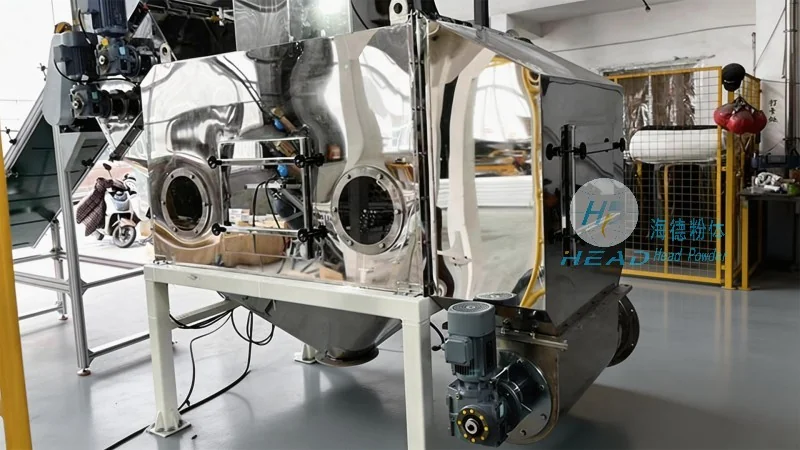
Introduction to Activated Carbon Material Pneumatic Conveying Machines
Activated carbon, known for its high surface area and excellent adsorption properties, is a vital component in many industrial processes. The efficient handling of this material is crucial for maintaining production efficiency and product quality. Pneumatic conveying machines offer a solution by using air or other gases to transport the material through a pipeline system. This method eliminates the need for mechanical components like belts or buckets, reducing maintenance and increasing operational flexibility.
Key Components and Design Considerations
The design of an activated carbon material pneumatic conveying machine involves several key components that work in tandem to ensure effective material transport. These include the hopper, which stores the activated carbon and feeds it into the system; the air compressor or blower, which generates the necessary airflow; the conveying line, which transports the material; and the control system, which regulates the operation. Each component must be carefully selected and integrated to handle the unique characteristics of activated carbon, such as its fine particle size and potential for dust generation.
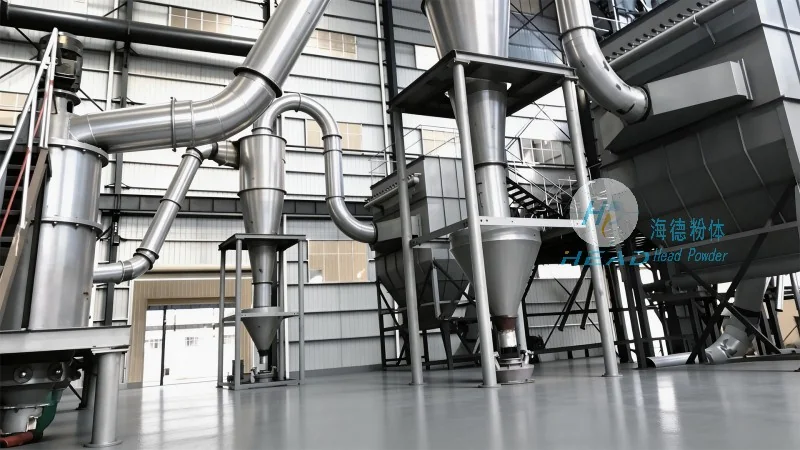
How Pneumatic Conveying Works
Pneumatic conveying operates on the principle of using air to create a flow of material through a pipeline. There are two main types of pneumatic conveying systems: pressure and vacuum. In pressure systems, the air compressor pressurizes the conveying line, pushing the material forward. In vacuum systems, a vacuum pump creates a negative pressure that draws the material into the line. For activated carbon, which is often in a fine powder form, pressure systems are commonly preferred as they provide better control over the material flow and reduce the risk of clogging.
Advantages of Using Pneumatic Conveying for Activated Carbon
Employing pneumatic conveying for activated carbon offers several advantages over traditional mechanical methods. First, it minimizes product contamination and exposure to external elements, which is critical for maintaining the purity of activated carbon used in sensitive applications like water treatment or air filtration. Second, it reduces labor costs and operational downtime by eliminating the need for manual handling and frequent maintenance of mechanical components. Third, the system can be easily scaled to accommodate varying production volumes, making it suitable for both small-scale and large-scale industrial operations.
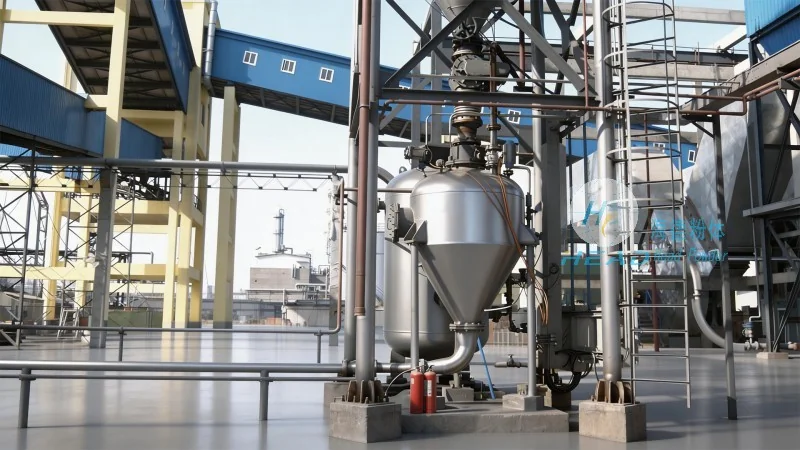
Design Principles for Optimal Performance
Designing an activated carbon material pneumatic conveying machine requires careful consideration of several factors to ensure optimal performance. The particle size and density of the activated carbon are primary considerations, as they affect the flow characteristics and the required air velocity. The conveying line diameter and length must be appropriately sized to maintain the desired air velocity and prevent pressure drop or material buildup. Additionally, the system must be equipped with proper filtration and dust collection mechanisms to prevent environmental contamination and ensure compliance with industrial regulations.
Applications in Industrial Settings
Activated carbon material pneumatic conveying machines are widely used in various industrial sectors. In the water treatment industry, they transport activated carbon to filters and adsorption units, ensuring efficient removal of contaminants. In the chemical industry, they handle activated carbon for process purification and catalyst regeneration. In the pharmaceutical industry, they provide a sterile and controlled method of transporting activated carbon used in drug manufacturing and purification processes. The versatility of these machines makes them indispensable in many industrial applications where activated carbon is a key component.
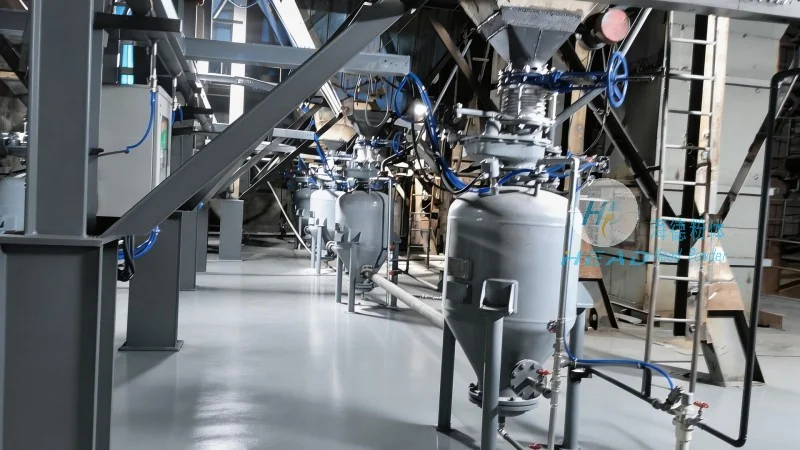
Maintenance and Operational Tips
To ensure the long-term reliability and efficiency of an activated carbon material pneumatic conveying machine, regular maintenance is essential. This includes checking the air compressor or blower for proper operation, inspecting the conveying line for blockages or wear, and cleaning the filtration system to prevent dust accumulation. Additionally, operators should monitor the system's pressure and flow rates to detect any abnormalities early. Proper training of personnel on the safe operation of the equipment is also crucial to prevent accidents and ensure compliance with safety regulations.
About Shandong HeadPowder Engineering Co., Ltd.
Shandong HeadPowder Engineering Co., Ltd., commonly known as HeadPowder, is a leading manufacturer of specialized industrial equipment, including activated carbon material pneumatic conveying machines. With a focus on innovation and quality, HeadPowder has established itself as a trusted partner for industries requiring reliable and efficient material handling solutions. The company's headquarters is located in Shandong, China, where it leverages advanced technology and skilled expertise to design and produce equipment that meets the highest standards of performance and durability.