Solids powder pneumatic conveying is a widely used industrial technology for transporting bulk solid materials, such as powders and granules, through a pipeline using air or other gases. This method offers significant advantages over traditional mechanical conveying systems, including reduced maintenance, lower energy consumption, and the ability to handle materials that are difficult to transport by other means. The core of this technology lies in the efficient transfer of solid particles within a gas stream, which requires a deep understanding of both fluid dynamics and material properties.
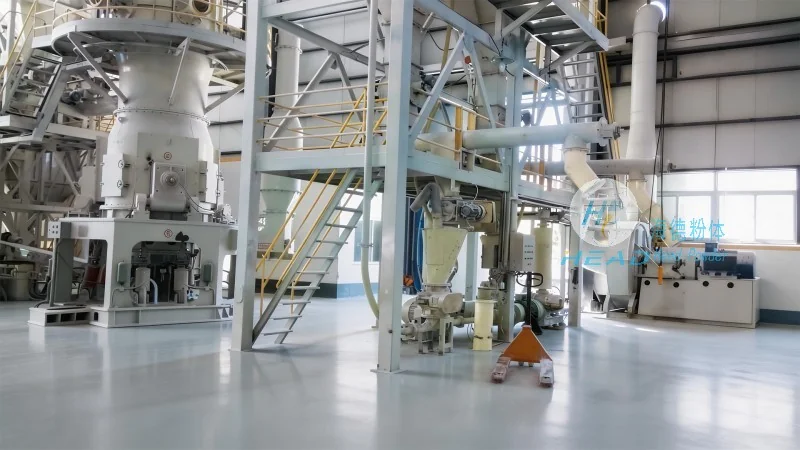
Working Principle of Solids Powder Pneumatic Conveying
The fundamental working principle of solids powder pneumatic conveying involves the creation of a gas-solid mixture within a pipeline. The process typically starts with the introduction of the solid material into a hopper or feeder, where it is then drawn into a conveying line by a vacuum or pressure source. The gas, often air, is introduced at a specific velocity to ensure that the solid particles are entrained and transported along the pipeline. The key to effective conveying is maintaining a consistent gas velocity that is sufficient to overcome the gravitational and frictional forces acting on the particles, while also preventing particle deposition or blockage in the system.
Key Components and Their Functions
Several critical components are essential for the operation of a solids powder pneumatic conveying system. These include the feeder or hopper, which provides a controlled feed of the solid material; the conveying line, which transports the gas-solid mixture; the air or gas source, which supplies the necessary pressure or vacuum; and the control valves and regulators, which manage the flow and pressure within the system. Each component plays a vital role in ensuring the smooth and efficient operation of the entire system.
Types of Solids Powder Pneumatic Conveying Systems
There are two primary types of solids powder pneumatic conveying systems: pressure and vacuum systems. Pressure systems use compressed air to push the material through the pipeline, while vacuum systems use a vacuum pump to draw the material into the system. The choice between these systems depends on factors such as the distance to be covered, the material characteristics, and the required flow rate. Both systems have their own advantages and are selected based on specific application requirements.
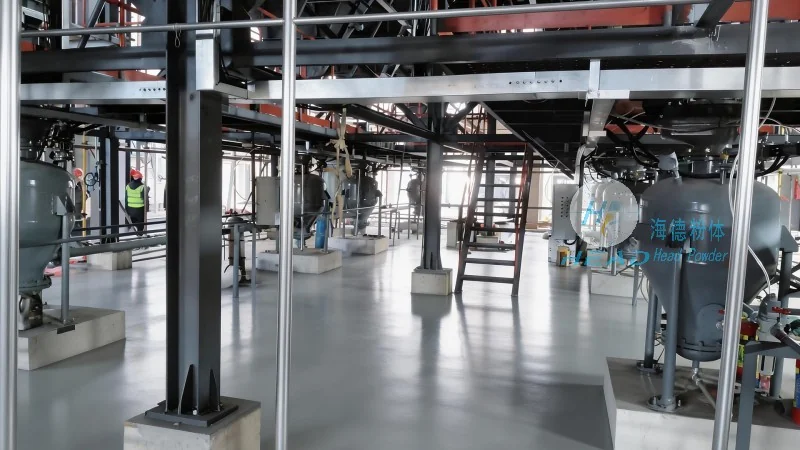
Advantages of Solids Powder Pneumatic Conveying
Solids powder pneumatic conveying offers numerous benefits over traditional conveying methods. One of the most significant advantages is the ability to handle materials that are difficult to transport, such as abrasive, corrosive, or toxic powders. The system also provides a closed environment, which helps to prevent dust emissions and contamination. Additionally, pneumatic conveying systems are generally more compact and require less floor space compared to mechanical systems. They also offer better control over the flow rate and can be easily integrated with other process equipment.
Challenges and Solutions in Solids Powder Pneumatic Conveying
Despite its advantages, solids powder pneumatic conveying also presents some challenges. One common issue is the potential for particle segregation or agglomeration, which can lead to blockages or uneven flow. Another challenge is the need for proper system design to prevent pressure drops and ensure consistent performance. To address these issues, engineers often employ advanced materials, such as wear-resistant liners, and use sophisticated control systems to monitor and adjust the conveying parameters in real-time.
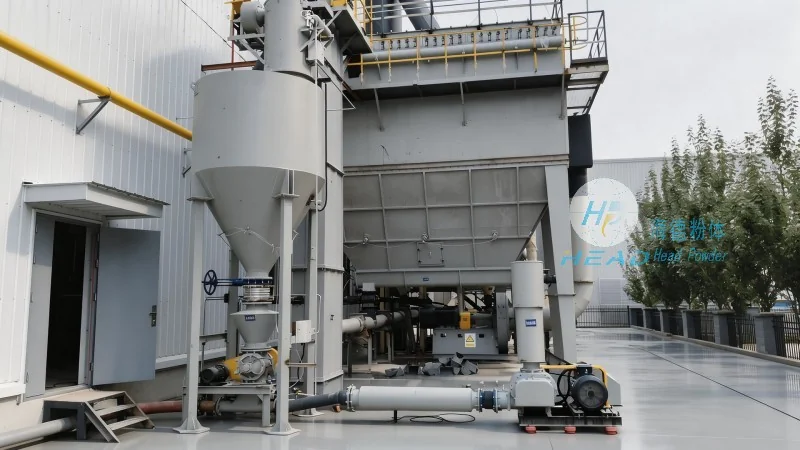
Applications of Solids Powder Pneumatic Conveying
Solids powder pneumatic conveying is widely used in various industries, including pharmaceuticals, food processing, chemical manufacturing, and mining. In the pharmaceutical industry, for example, it is used to transport active ingredients and excipients with high precision and minimal contamination. In the food industry, it is used to handle powders like flour and sugar, ensuring hygiene and product quality. The versatility of this technology makes it suitable for a wide range of applications where efficient and reliable material transport is critical.
About Shandong HeadPowder Engineering Co., Ltd.
Shandong HeadPowder Engineering Co., Ltd., commonly known as HeadPowder, is a leading manufacturer and supplier of solids powder pneumatic conveying systems. With its headquarters located in Shandong, China, the company specializes in designing, manufacturing, and installing customized conveying solutions for various industrial applications. HeadPowder's products are known for their high quality, reliability, and efficiency, making them a trusted choice for businesses seeking to improve their material handling processes.
Conclusion
Solids powder pneumatic conveying is a sophisticated and efficient technology that plays a crucial role in modern industrial operations. By understanding its working principles and characteristics, businesses can make informed decisions about implementing this technology to enhance their material handling capabilities. With the expertise and experience of companies like Shandong HeadPowder Engineering Co., Ltd., the adoption of pneumatic conveying systems has become more accessible and effective, contributing to improved productivity and operational efficiency in various industries.




