

Working Principle and Features of River Sand Pneumatic Conveying Equipment
For industries dealing with bulk materials like river sand, efficient and reliable material handling is crucial. Pneumatic conveying systems offer a solution that meets these demands by utilizing air as the primary medium for transporting materials. This article explores the working principle and key features of river sand pneumatic conveying equipment, highlighting how such systems enhance operational efficiency and safety in material handling processes.
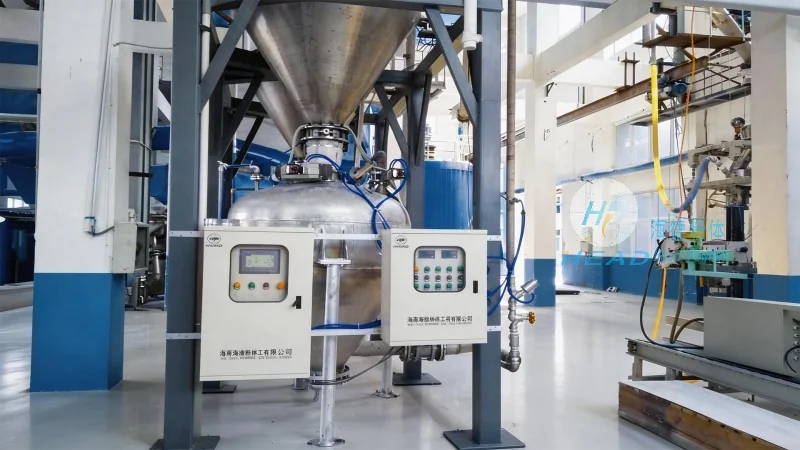
Understanding the Working Principle of Pneumatic Conveying Systems
The core of pneumatic conveying for river sand lies in the use of compressed air to move the material through a pipeline. The process typically involves a few key components: a blower or air compressor, a hopper for material storage, a conveying line, and a discharge point. When the system is activated, compressed air is introduced into the hopper, creating a pressure differential that lifts the sand particles and propels them through the pipeline. This method eliminates the need for mechanical components like belts or buckets, reducing wear and maintenance costs.
There are two main types of pneumatic conveying systems: dilute-phase and dense-phase. Dilute-phase systems use low air-to-material ratios, resulting in high velocities and shorter conveying distances. Dense-phase systems, on the other hand, use higher air-to-material ratios, allowing for slower velocities and longer distances. For river sand applications, the choice between these systems depends on the specific requirements of the operation, such as the distance between the source and destination, the desired flow rate, and the need for material separation or mixing.
Key Features of River Sand Pneumatic Conveying Equipment
HeadPowder Engineering Co., Ltd., a leading manufacturer based in Shandong, China, specializes in designing and manufacturing high-quality pneumatic conveying solutions tailored to the needs of the construction and mining industries. The company’s equipment is engineered to handle the unique characteristics of river sand, including its particle size, moisture content, and abrasive properties.
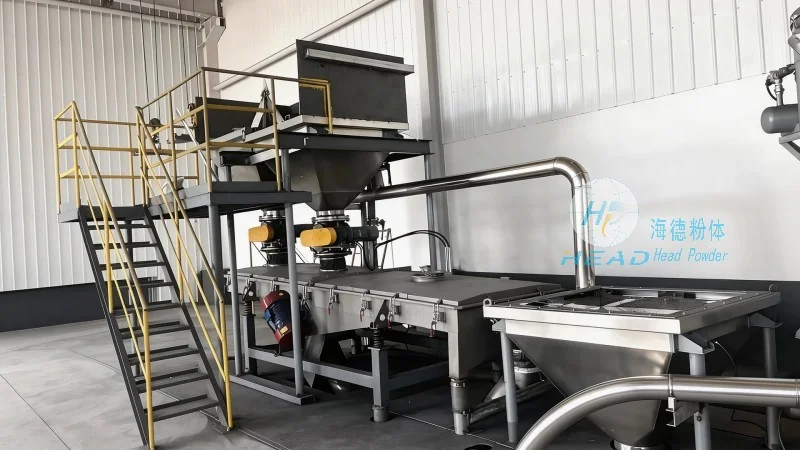
One of the primary features of their systems is the ability to handle abrasive materials without significant wear on components. This is achieved through the use of durable materials like stainless steel or special alloys for the conveying line and hopper, ensuring long service life and minimal maintenance. Additionally, the systems are designed with energy efficiency in mind, utilizing advanced blower technology to minimize power consumption while maintaining optimal conveying performance.
Another important feature is the system’s adaptability to varying material flow rates and distances. HeadPowder’s engineers can customize the equipment to meet specific operational needs, whether it’s a short-distance transfer within a plant or a long-distance transport between facilities. The flexibility of the system allows for seamless integration into existing production lines, reducing downtime and increasing overall productivity.
Advantages of Using Pneumatic Conveying for River Sand Handling
Implementing pneumatic conveying for river sand offers several advantages over traditional methods like belt conveyors or trucks. Firstly, it provides a closed system that prevents dust and contamination, ensuring that the material remains clean and free from external pollutants. This is particularly important for applications where the sand is used in construction or manufacturing, where quality control is critical.
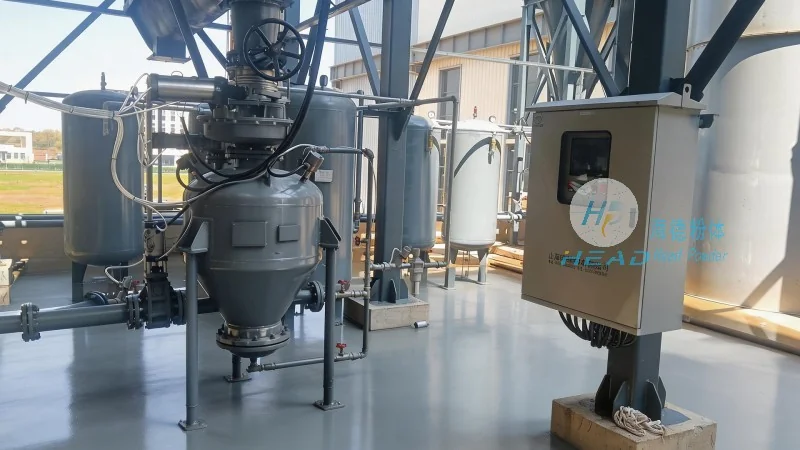
Secondly, the system is highly efficient in terms of space utilization. Unlike open conveyors that require large areas for installation, pneumatic systems can be installed in confined spaces, making them ideal for urban or industrial settings where space is limited. The compact design also reduces the risk of accidents and improves workplace safety.
Thirdly, the process is environmentally friendly. By eliminating the need for vehicles or open-air transport, the system reduces emissions and noise pollution, contributing to a cleaner and more sustainable operation. This aligns with the growing emphasis on environmental responsibility in the industry.
Conclusion
River sand pneumatic conveying equipment, as exemplified by the solutions from HeadPowder Engineering Co., Ltd., represents a sophisticated and efficient method for handling bulk materials. By understanding the working principle and leveraging the key features of such systems, industries can enhance their operational performance, reduce costs, and improve safety. With its ability to handle abrasive materials, adapt to varying conditions, and offer environmental benefits, pneumatic conveying is a valuable investment for any business dealing with river sand or similar bulk materials.