

[W]Working Principle and Features of Coal and Coke Pneumatic Conveying Equipment
Coal and coke are fundamental raw materials across numerous industrial sectors, including power generation, metallurgy, and chemical manufacturing. The efficient and reliable transportation of these bulk materials is essential for maintaining seamless production workflows. Pneumatic conveying equipment has become a preferred solution for handling coal and coke due to its advantages in safety, adaptability, and cost-effectiveness. This article explores the working principle and key characteristics of coal and coke pneumatic conveying equipment, offering a comprehensive overview of its functionality and benefits.
Working Principle of Coal and Coke Pneumatic Conveying Equipment
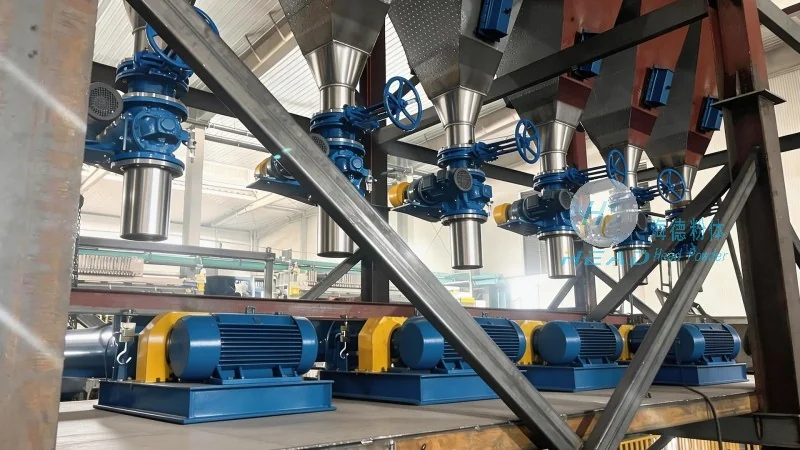
The core of coal and coke pneumatic conveying systems revolves around the use of air to transport bulk materials. The process typically involves several critical components and sequential steps. Initially, the material is fed into a hopper or feeder, where it is then introduced into a pipeline. A fan or blower generates a high-pressure airflow within the pipeline, which carries the material particles along with it. The air velocity is meticulously controlled to ensure the material remains suspended and moves efficiently through the system. The conveying process can be either positive pressure or negative pressure, depending on the specific application and system design. Positive pressure systems utilize a blower to push air and material through the pipeline, while negative pressure systems employ a vacuum to draw material into the system. The choice between these two methods depends on factors such as the distance to be covered, the material's characteristics, and the overall system layout.
Key Features of Coal and Coke Pneumatic Conveying Equipment
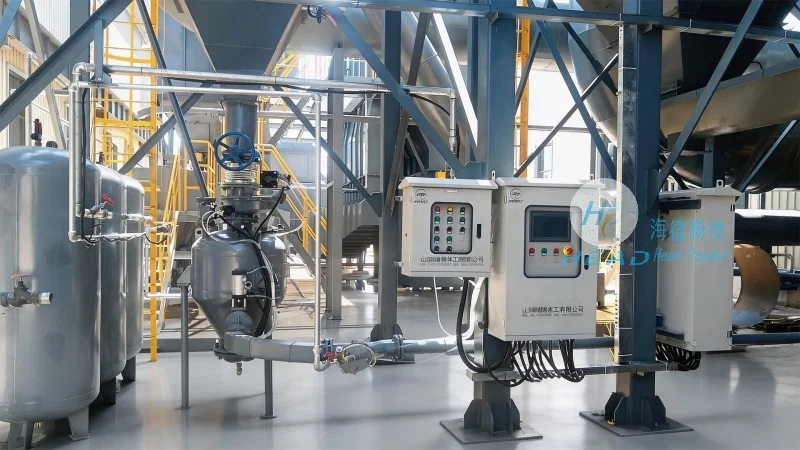
Coal and coke pneumatic conveying equipment offers several distinct advantages that make it a popular choice for material handling. One of the primary features is its ability to handle abrasive and dusty materials without causing excessive wear or damage to system components. The enclosed pipeline design minimizes dust emissions, contributing to a cleaner working environment and compliance with environmental regulations. Additionally, the system can transport materials over long distances with minimal loss, ensuring consistent material quality and reducing waste. The flexibility of pneumatic conveying allows for easy integration with existing production lines, as it can be adapted to various layouts and configurations. Another notable feature is the ability to handle a wide range of material sizes and densities, making it suitable for diverse applications. The equipment also provides better control over material flow, enabling precise dosing and feeding. Furthermore, the system is relatively compact compared to traditional methods like belt conveyors, saving space in industrial facilities. The maintenance requirements are generally lower, as the enclosed design reduces the need for frequent cleaning and the risk of material buildup. Safety is another critical feature, as the system operates with reduced exposure to personnel, minimizing the risk of accidents associated with manual handling of bulk materials.
Application and Performance Considerations
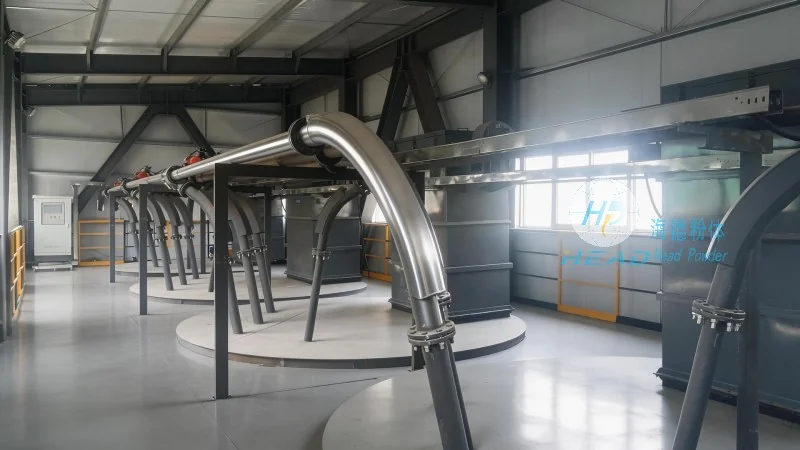
The performance of coal and coke pneumatic conveying equipment is influenced by several factors, including the material's physical properties, the system's design, and operational parameters. The material's moisture content, particle size distribution, and density are crucial in determining the optimal air velocity and pressure required for efficient conveying. For example, coarser or heavier particles may require higher air velocities to remain suspended, while finer particles might need lower velocities to avoid excessive pressure drop. The system's design, such as the type of fan, pipeline diameter, and number of bends, also impacts performance. Proper sizing of the fan and pipeline is essential to maintain sufficient air velocity and pressure throughout the conveying line. Operational considerations include the need for regular maintenance, such as cleaning filters and checking for air leaks, to ensure consistent performance. The system's ability to handle variations in material feed rate is also important, as fluctuations can affect the conveying efficiency. Overall, the performance of coal and coke pneumatic conveying equipment is highly dependent on the careful selection and configuration of components to match the specific material and application requirements.
Conclusion
Coal and coke pneumatic conveying equipment is a highly effective solution for the transportation of bulk materials in industrial settings. Its working principle, based on air flow to move material particles, offers numerous advantages in terms of efficiency, safety, and environmental compliance. The key features, including the ability to handle abrasive materials, minimize dust emissions, and provide flexible integration, make it a preferred choice for various applications. By understanding the working principle and key features, industries can make informed decisions about implementing pneumatic conveying systems to enhance their material handling processes. The equipment's performance is optimized through careful consideration of material properties and system design, ensuring reliable and efficient operation. As a result, coal and coke pneumatic conveying equipment continues to be a vital component in modern industrial operations, supporting the smooth and sustainable production of goods.