Efficient and reliable copper powder material handling equipment is essential for industries dealing with copper powder, as it ensures smooth production processes and maintains product quality. This article will explore the working principle and key features of such equipment, providing insights into how these systems operate and what makes them effective for copper powder applications.
Working Principle of Copper Powder Material Handling Equipment
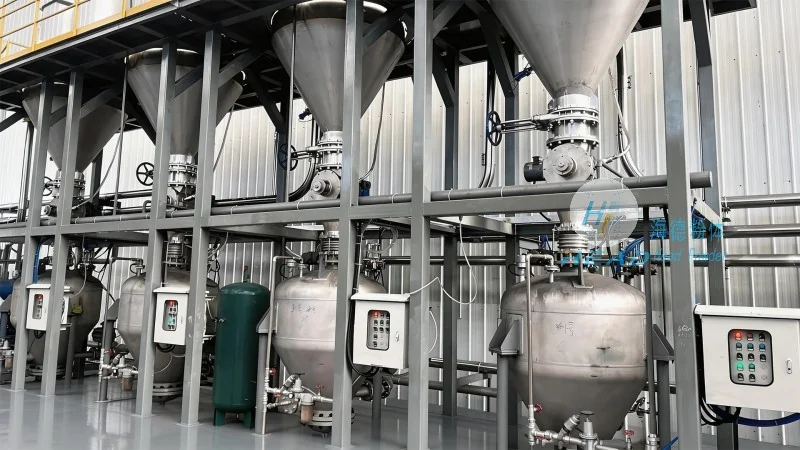
The working principle of copper powder material handling equipment typically involves several key components and processes designed to handle the unique properties of copper powder. These systems are engineered to manage the flow, transport, and storage of copper powder efficiently, minimizing issues like caking, segregation, and dust generation. The core components often include feeders, conveyors, and storage vessels, each playing a critical role in the overall operation.
Feeding mechanisms are crucial for controlling the flow of copper powder from storage bins or hoppers into the conveying system. Common types include screw feeders, vibratory feeders, and rotary valves, which can be adjusted to regulate the material flow rate. This control is vital for maintaining consistent production rates and preventing overloading or underloading of the conveyor system. The feeder ensures that the copper powder is introduced into the conveyor at a steady rate, which is essential for smooth operation and preventing blockages.
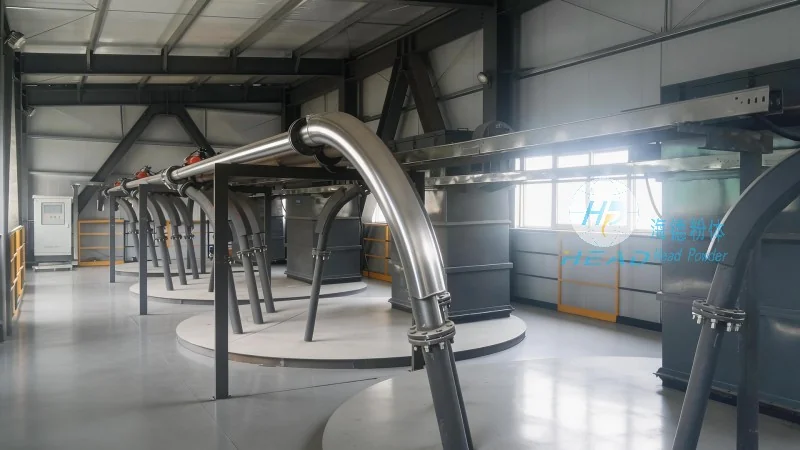
Conveying systems are the heart of the material handling equipment, responsible for transporting copper powder from one location to another. There are several types of conveyors suitable for copper powder, including pneumatic conveyors, belt conveyors, and screw conveyors. Pneumatic conveyors use air pressure to move the powder through a pipeline, which is ideal for handling fine powders and preventing dust contamination. Belt conveyors are commonly used for bulk material transport and can handle larger quantities of copper powder with high efficiency. Screw conveyors, also known as auger conveyors, use a rotating screw to move the powder along a tube, which is effective for vertical or inclined transport and can handle sticky or cohesive materials like copper powder.
Storage vessels are also an integral part of the system, providing a place to store the copper powder before it is fed into the conveying system. These vessels are typically designed with a hopper or bin to allow for easy loading and unloading. The storage system may include features like agitators or mixers to prevent the copper powder from settling or caking, which can affect the flow characteristics. Proper storage is essential for maintaining the quality of the copper powder and ensuring consistent performance of the material handling equipment.
Key Features of Copper Powder Material Handling Equipment
Several key features make copper powder material handling equipment effective and reliable for industrial applications. These features are designed to address the specific challenges of handling copper powder, such as its fine particle size, tendency to aggregate, and potential for dust generation. The following are some of the most important features:
1. Low Dust Generation: Copper powder is a fine material that can easily generate dust, which poses health and safety risks. High-quality material handling equipment is designed with features like enclosed systems, dust collection, and sealed components to minimize dust emissions. This not only protects workers from respiratory hazards but also helps maintain a clean and safe working environment.
2. Prevention of Segregation: Segregation occurs when different particle sizes or densities in the copper powder separate during handling. This can lead to inconsistent product quality and performance issues. Equipment with features like agitators, mixers, or gentle handling mechanisms helps prevent segregation by ensuring that the powder remains well-mixed throughout the process.
3. Adaptability to Particle Size: Copper powder can vary in particle size, from fine powders to larger granules. The material handling equipment is designed to handle a wide range of particle sizes, ensuring that it can accommodate different types of copper powder without compromising performance. This adaptability makes the equipment versatile and suitable for various industrial applications.
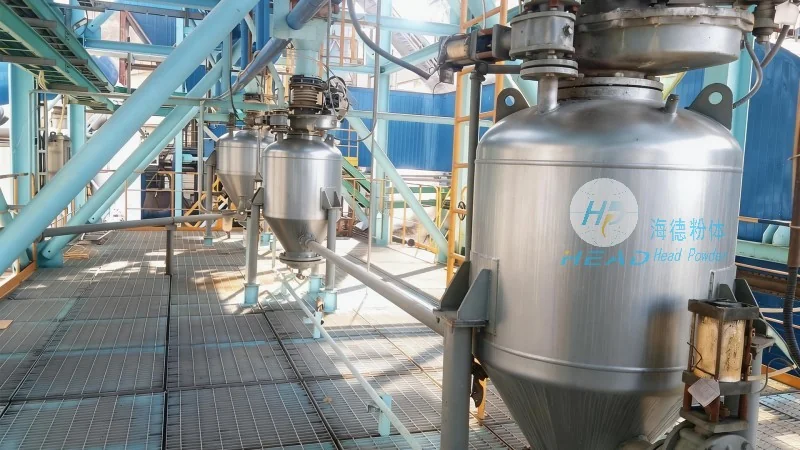
4. Efficient Flow Control: Precise control over the flow of copper powder is essential for maintaining consistent production rates and preventing overloading or underloading of the system. Equipment with adjustable feeders, variable speed drives, and flow meters allows operators to fine-tune the material flow, ensuring optimal performance and preventing equipment damage.
5. Corrosion Resistance: Copper powder handling equipment is often exposed to the copper powder itself, which can be corrosive. Materials like stainless steel, aluminum, or specialized coatings are used to protect the equipment from corrosion, ensuring long-term durability and reliability.
Benefits of Using Copper Powder Material Handling Equipment
Implementing copper powder material handling equipment offers several benefits for industrial operations. These benefits contribute to improved efficiency, reduced costs, and enhanced product quality. The following are some of the key advantages:
1. Increased Production Efficiency: By ensuring smooth and continuous material flow, the equipment helps maintain high production rates without interruptions. This reduces downtime and increases overall productivity, leading to higher output and better profitability.
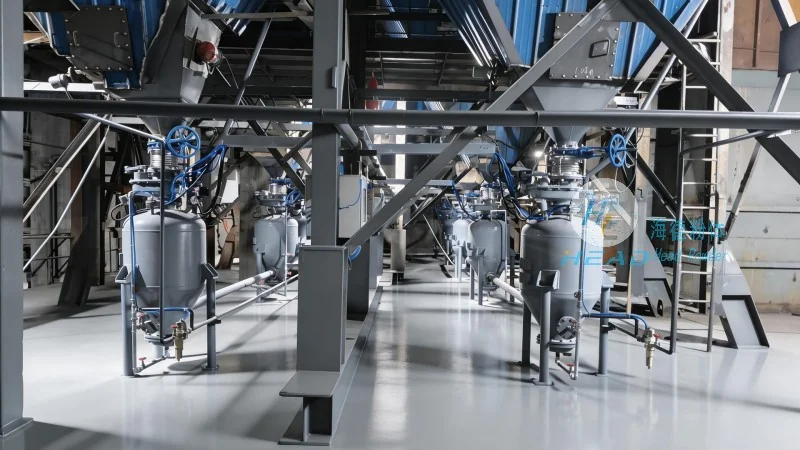
2. Improved Product Quality: Proper handling of copper powder prevents issues like caking, segregation, and contamination, which can affect the quality of the final product. Consistent flow and storage conditions ensure that the copper powder remains in optimal condition, resulting in higher quality end products.
3. Enhanced Safety: The equipment is designed with safety features to minimize risks associated with handling copper powder, such as dust exposure and material handling hazards. Enclosed systems, dust collection, and proper ventilation help create a safer working environment for employees.
4. Cost Savings: Efficient material handling reduces waste and minimizes the need for manual handling, which can be labor-intensive and costly. By automating the process, the equipment helps lower operational costs and improve overall efficiency.
5. Flexibility and Scalability: Modern copper powder material handling equipment is designed to be flexible and scalable, allowing it to adapt to changing production needs. This means that the equipment can be easily expanded or modified to accommodate increased production volumes or different types of copper powder, providing long-term value.




