As industries worldwide increasingly prioritize sustainability and environmental responsibility, the demand for eco-friendly material handling equipment has grown significantly. This equipment is designed to transport and manage materials with minimal environmental impact, aligning with global efforts to reduce carbon footprints and promote green manufacturing practices. For businesses seeking to enhance their operational efficiency while adhering to environmental regulations, understanding the working principles and distinctive features of such equipment is crucial. This article explores the fundamental mechanisms behind eco-friendly material handling systems and highlights the key attributes that make them effective solutions for modern industrial applications.
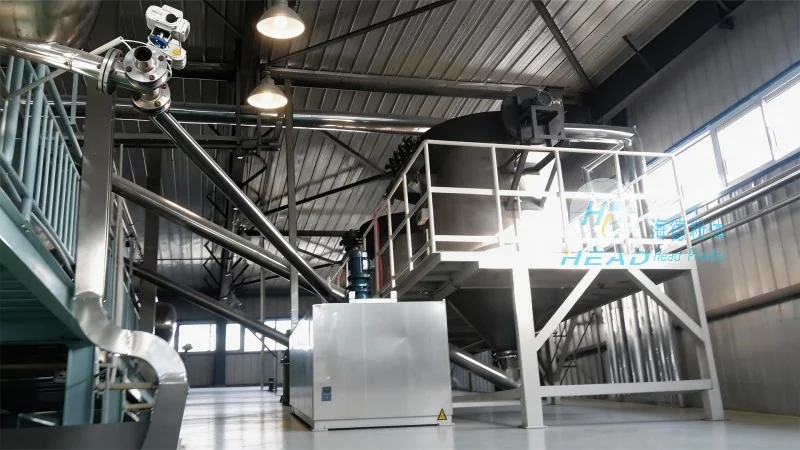
The Working Principle of Eco-friendly Material Handling Equipment
Eco-friendly material handling equipment operates on principles that prioritize energy efficiency, reduced emissions, and sustainable material usage. Unlike traditional systems that may rely on high-energy consumption or polluting processes, these devices often incorporate advanced technologies to minimize their environmental footprint. For instance, many eco-friendly conveyors and transport systems utilize electric power or renewable energy sources, such as solar or kinetic energy, to drive their operations. This shift from fossil fuel dependence to cleaner energy not only reduces greenhouse gas emissions but also lowers operational costs over time. Additionally, these systems are engineered to optimize material flow, reducing unnecessary movement and waste. By employing intelligent control systems and sensors, they can adjust their speed and power consumption based on real-time demand, further enhancing energy efficiency. The core working principle revolves around the seamless integration of technology and sustainable practices to ensure that material handling processes are both effective and environmentally responsible.
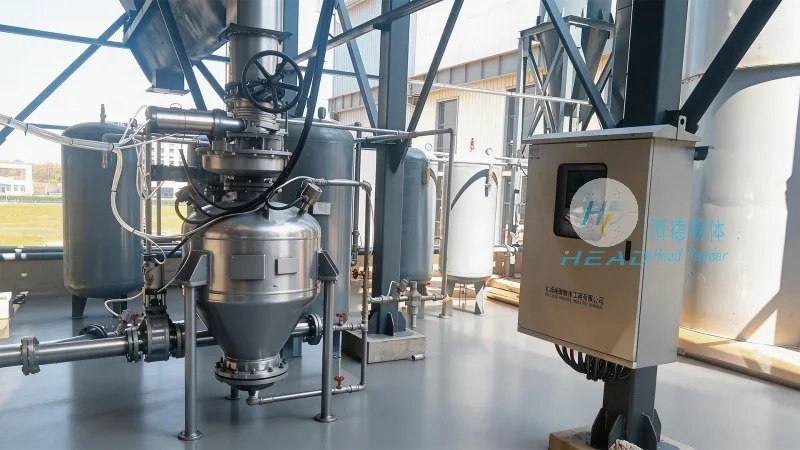
Key Features of Eco-friendly Material Handling Equipment
Several key features distinguish eco-friendly material handling equipment from conventional alternatives, making them ideal for environmentally conscious operations. One of the most notable features is their energy-efficient design. These systems often incorporate energy recovery mechanisms, such as regenerative drives, which capture and reuse energy during operation. This not only reduces electricity consumption but also extends the lifespan of components by minimizing wear and tear. Another critical feature is the use of durable, recyclable materials in their construction. Many manufacturers, including Shandong HeadPowder Engineering Co., Ltd., prioritize the use of sustainable materials like recycled plastics or biodegradable components, ensuring that the equipment itself contributes to a circular economy. Furthermore, these systems are designed for low noise operation, minimizing disruptions in industrial settings and enhancing workplace safety. The integration of smart sensors and IoT (Internet of Things) technology is another prominent feature, enabling real-time monitoring of performance and predictive maintenance. This allows for proactive issue resolution, reducing downtime and ensuring consistent operational reliability. Additionally, eco-friendly equipment often adheres to strict environmental standards, such as ISO 14001 certification, which verifies their compliance with international environmental management practices. These features collectively contribute to a more sustainable and efficient material handling process.
Applications and Benefits in Industrial Settings
Eco-friendly material handling equipment finds applications across various industries, including manufacturing, logistics, and waste management. In manufacturing facilities, these systems help streamline production lines by efficiently transporting raw materials and finished products while minimizing energy use. In logistics and warehousing, they improve inventory management by reducing the time and resources required for material movement. Even in waste management operations, specialized eco-friendly equipment can handle recyclable materials with minimal environmental impact, supporting recycling initiatives. The benefits of adopting such equipment extend beyond environmental considerations. Businesses can experience cost savings through reduced energy bills and lower maintenance expenses due to the durability of the equipment. Moreover, the enhanced efficiency and reliability of these systems lead to improved productivity and customer satisfaction. By choosing eco-friendly material handling solutions, companies not only meet regulatory requirements but also position themselves as leaders in sustainable business practices.
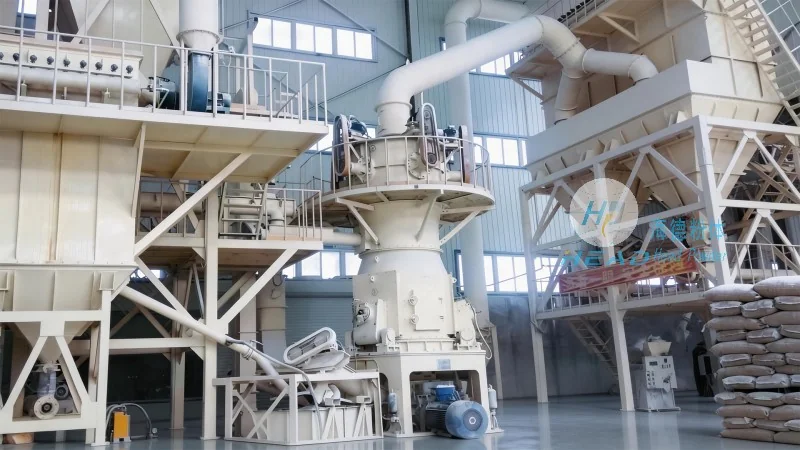
Conclusion and Company Overview
In conclusion, eco-friendly material handling equipment represents a vital advancement in industrial technology, offering efficient and sustainable solutions for material transport and management. The working principles, which emphasize energy efficiency and reduced emissions, combined with key features like recyclable materials and smart technology, make these systems highly effective for modern operations. As industries continue to prioritize environmental responsibility, the adoption of such equipment is not just a choice but a necessity for long-term success. Shandong HeadPowder Engineering Co., Ltd., a leading manufacturer based in China, plays a significant role in providing high-quality eco-friendly material handling solutions. With a commitment to innovation and sustainability, the company has established itself as a trusted partner for businesses seeking to enhance their operational efficiency while minimizing their environmental impact. By leveraging advanced engineering and a focus on green technologies, HeadPowder continues to contribute to the global movement toward sustainable industrial practices.




