For businesses in the food processing industry, particularly those involved in cereal product manufacturing, efficient material handling is a critical factor in maintaining production efficiency and ensuring product quality. The cereal material conveying line is a specialized system engineered to transport bulk cereal materials, including oats, corn, wheat, and other grains, through various processing stages. This article will delve into the working principle and key features of these systems, illustrating how they enhance operational performance in cereal processing facilities.
Working Principle of Cereal Material Conveying Lines
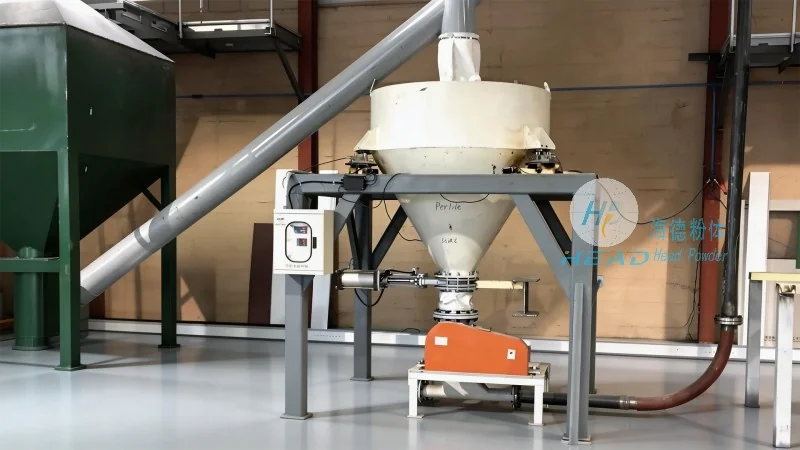
The fundamental operation of a cereal material conveying line revolves around the coordinated movement of bulk materials through a series of components designed for controlled transport. Typically, these systems comprise feeders, conveyors, and control mechanisms that work in unison to ensure smooth material flow. The process initiates with material feeding, where raw cereal grains are introduced into the system. A feeder, often a screw or vibratory type, regulates the flow rate to maintain consistent material input, preventing overloading or underfeeding. This is followed by the conveyor section, which may include belt conveyors, bucket elevators, or pneumatic systems, depending on the specific application and material characteristics. The conveyor transports the material to subsequent processing stages, such as cleaning, sorting, or packaging. Advanced control systems, including sensors and automation, monitor the entire process to adjust flow rates, detect blockages, and ensure safety. This integrated approach ensures that cereal materials are handled efficiently and safely throughout the production line, minimizing material loss and operational disruptions.
Key Features of Cereal Material Conveying Lines by HeadPowder
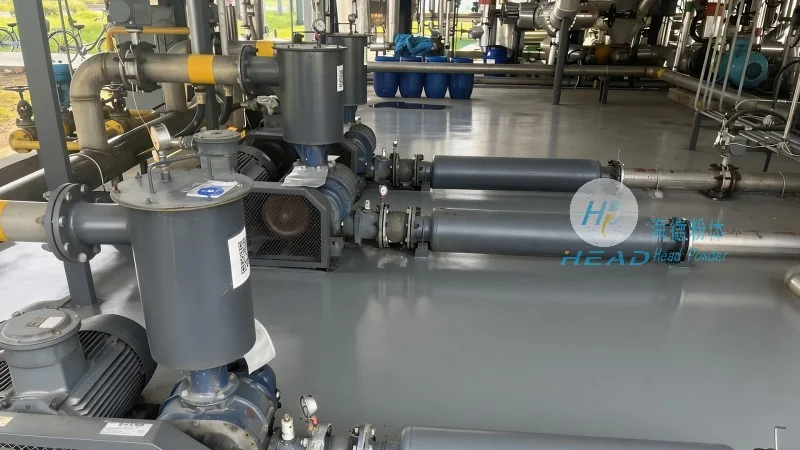
HeadPowder Engineering Co., Ltd., a prominent manufacturer based in Shandong, China, offers advanced cereal material conveying lines with several distinctive features. One of the primary advantages is the system's adaptability to diverse cereal types and processing requirements. The conveying lines are engineered to handle various grain sizes and moisture levels, ensuring compatibility with a wide range of production needs. Additionally, these systems are constructed with high-quality materials, such as stainless steel, to prevent contamination and maintain stringent hygiene standards, which is essential in food processing environments. The automation capabilities of the conveying lines enhance operational efficiency by reducing manual intervention and minimizing downtime. Advanced control systems enable real-time monitoring and adjustment, ensuring optimal performance and reducing the risk of errors. Furthermore, the modular design of the conveying lines allows for easy integration with existing production lines and future expansion, providing flexibility for growing businesses. This adaptability makes the systems suitable for both small-scale and large-scale cereal processing operations, from artisanal mills to industrial food processing plants.
Benefits of Implementing Cereal Material Conveying Lines
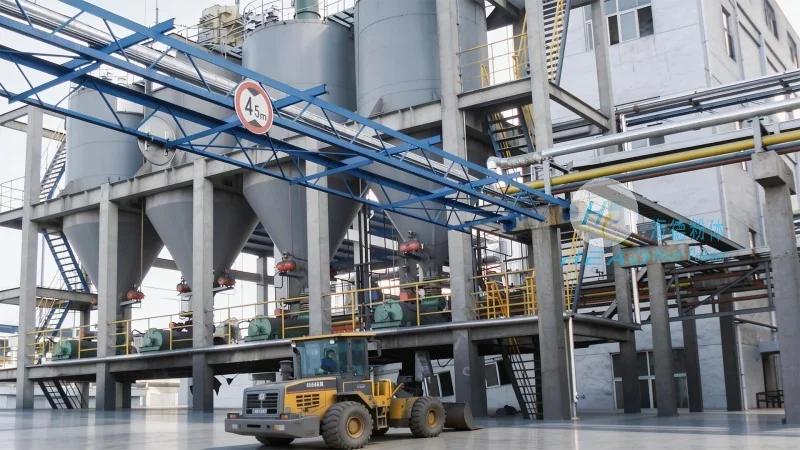
Adopting a cereal material conveying line brings numerous benefits to food processing facilities. The primary advantage is improved production efficiency, as the system automates material handling, reducing the time and labor required for manual transport. This leads to increased throughput and lower operational costs, allowing businesses to scale their operations more effectively. The consistent flow of materials also enhances product quality by minimizing material damage and contamination, which is critical for maintaining customer trust and meeting regulatory standards. The automated control systems ensure that the conveying process is precise and reliable, reducing the risk of disruptions or product defects. Additionally, the modular design facilitates easy maintenance and repairs, minimizing downtime and extending the system's lifespan. The use of durable materials ensures long-term performance, providing a cost-effective solution for material handling needs. Overall, the cereal material conveying line is a vital component in modern cereal processing, contributing to higher productivity, better product quality, and sustainable operational practices.




