Asbestos powder material conveying lines are specialized industrial systems designed to transport asbestos powder efficiently and safely. These systems are crucial in various industrial applications where asbestos powder handling is required, ensuring both operational efficiency and compliance with safety standards. The following content will explore the working principle and key features of such conveying lines, providing a comprehensive understanding of their functionality and benefits.
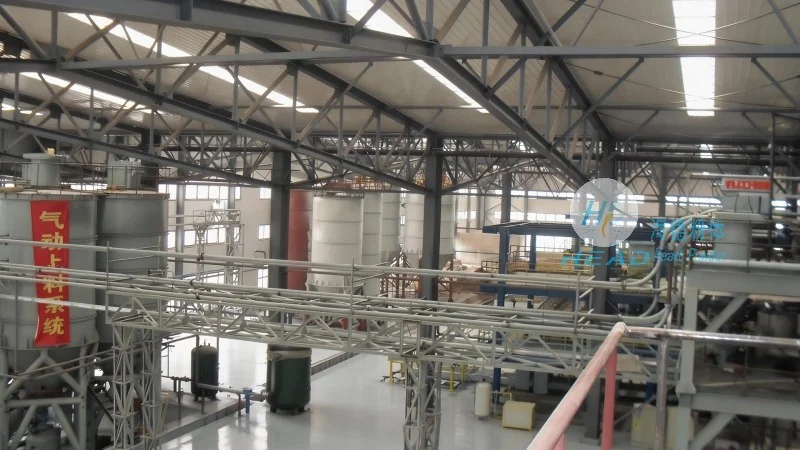
About Shandong HeadPowder Engineering Co., Ltd.
Shandong HeadPowder Engineering Co., Ltd. is a leading manufacturer and supplier of industrial conveying equipment, with a focus on providing high-quality solutions for material handling in challenging environments. The company is headquartered in China, specifically in Shandong province, and has established a strong reputation for its expertise in designing and manufacturing equipment tailored to the needs of diverse industrial sectors. With a commitment to innovation and safety, HeadPowder delivers reliable and efficient conveying systems that meet the highest industry standards.
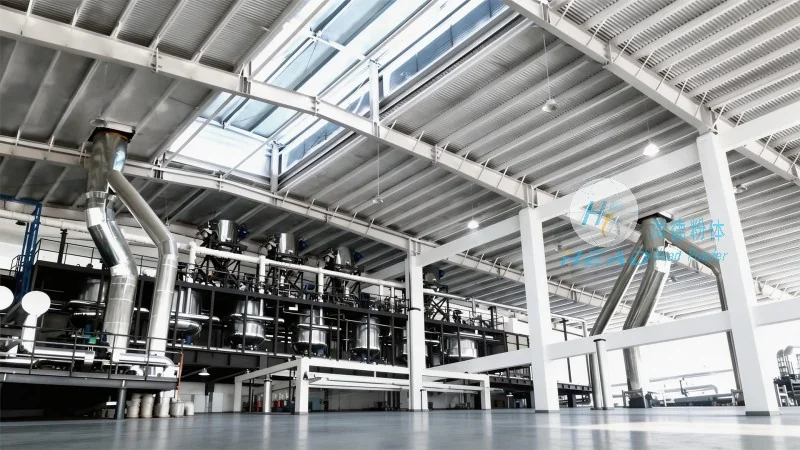
Working Principle of Asbestos Powder Conveying Lines
The working principle of asbestos powder material conveying lines typically involves a combination of mechanical components and control systems to ensure the smooth and controlled movement of asbestos powder from the source to the destination. The process generally starts with the feeding of asbestos powder into the conveying system, where it is then transported through a series of pipes or ducts using various mechanisms such as screw conveyors, pneumatic systems, or belt conveyors. Each component plays a critical role in maintaining the integrity of the asbestos powder and ensuring the system operates without leaks or contamination. The control system monitors the flow rate, pressure, and other parameters to maintain optimal performance and safety. For instance, in pneumatic conveying systems, compressed air is used to create a flow that carries the asbestos powder through the pipeline, while in screw conveyors, a rotating screw pushes the material forward. The selection of the appropriate conveying method depends on factors such as the particle size, moisture content, and the required conveying distance. The system is designed to handle the unique properties of asbestos powder, which can be abrasive and potentially hazardous, requiring robust construction and effective sealing to prevent dust emissions and ensure operator safety.
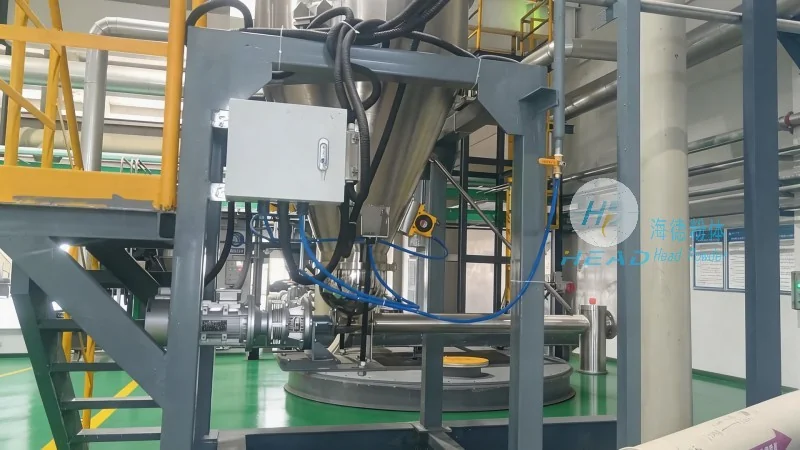
Key Features of Asbestos Powder Material Conveying Systems
Asbestos powder material conveying systems are characterized by several key features that enhance their performance, safety, and reliability. One of the primary features is the use of specialized materials for construction, such as stainless steel or corrosion-resistant alloys, which are resistant to the abrasive nature of asbestos powder and prevent contamination. The systems are also equipped with advanced sealing mechanisms to minimize dust emissions and maintain a clean working environment. Another important feature is the integration of safety controls, including dust suppression systems and emergency shut-off valves, to protect operators and comply with regulatory requirements. The conveying lines are designed with modular components, allowing for easy installation, maintenance, and scalability to accommodate changing production needs. Additionally, the systems often include monitoring and diagnostic tools to provide real-time data on performance, enabling proactive maintenance and reducing downtime. The use of automated controls ensures consistent and precise material flow, improving overall operational efficiency. Furthermore, the systems are engineered to handle varying loads and flow rates, making them versatile for different industrial applications. The combination of these features makes asbestos powder material conveying lines effective solutions for industries that require reliable and safe handling of asbestos powder.
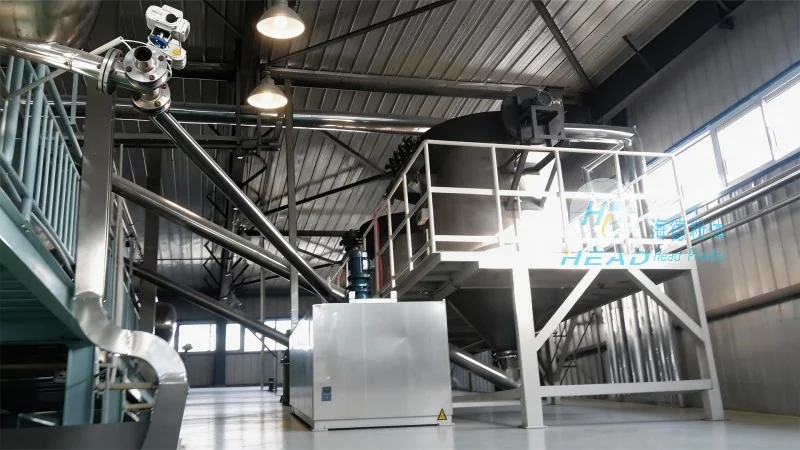
Applications and Benefits
Asbestos powder material conveying lines are widely used in various industrial applications, including mining, construction, and manufacturing. They are particularly valuable in industries where asbestos powder is processed or handled as part of the production process. The benefits of using these systems include improved operational efficiency, reduced labor costs, and enhanced safety for operators. By automating the material handling process, the systems minimize the risk of exposure to asbestos dust, which is a significant health hazard. The consistent and controlled flow of asbestos powder also ensures that production processes are more reliable and predictable. Additionally, the modular design of the conveying lines allows for easy integration into existing production lines, reducing the need for extensive modifications. The systems are also designed to be energy-efficient, contributing to lower operational costs and reduced environmental impact. Overall, asbestos powder material conveying lines provide a comprehensive solution for the safe and efficient handling of asbestos powder, supporting the productivity and safety of industrial operations.




