HeadPowder, a leading engineering company based in Shandong, China, specializes in the design and implementation of advanced powder handling solutions. The company's expertise lies in developing efficient and reliable pneumatic conveying systems tailored for the demanding requirements of lithium-ion battery material processing. This article explores the fundamental working principles and key characteristics of such systems, providing a comprehensive overview for industry professionals.
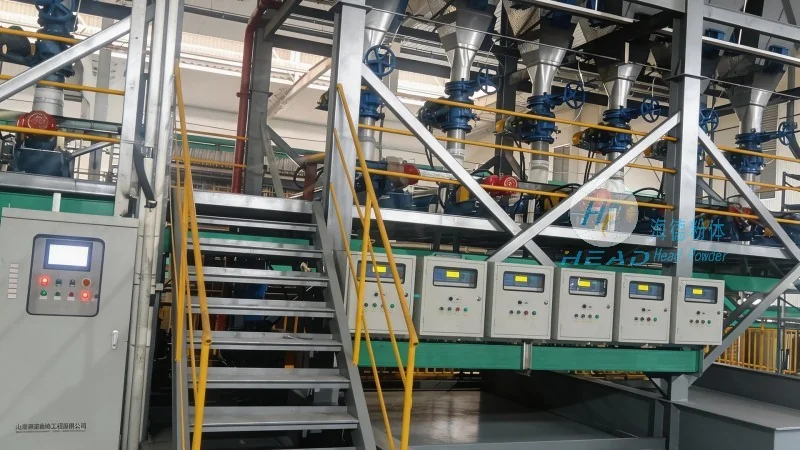
Understanding the Working Principle of Powder Pneumatic Conveying Systems
Powder pneumatic conveying systems are engineered to transport bulk powders through a pipeline using compressed air or other gas as the conveying medium. The core mechanism involves creating a pressure differential between the material source and the destination, enabling the powder to be suspended and moved through the system. There are primarily two types of pneumatic conveying systems: pressure and vacuum systems, each with distinct operational characteristics.
In pressure systems, the conveying air is introduced at the material inlet, typically from a blower or compressor, creating a positive pressure that pushes the powder through the pipeline. This method is ideal for long-distance or high-capacity transport, as it can handle larger quantities of material with minimal pressure loss. The system includes components such as a hopper, feeder, and pipeline, all designed to maintain consistent flow and prevent material degradation. On the other hand, vacuum systems operate by creating a negative pressure at the material outlet, drawing the powder into the pipeline. This approach is often used for shorter distances or when the material needs to be transported from multiple sources to a central collection point. Both systems rely on the principle of fluidization, where the powder particles are suspended in the gas stream, allowing for smooth and continuous movement.
Key Features of Pneumatic Conveying Systems for Lithium-Ion Battery Materials
The pneumatic conveying systems used in lithium-ion battery material processing must meet stringent standards for efficiency, reliability, and material integrity. Several key features distinguish these systems from conventional powder handling equipment:
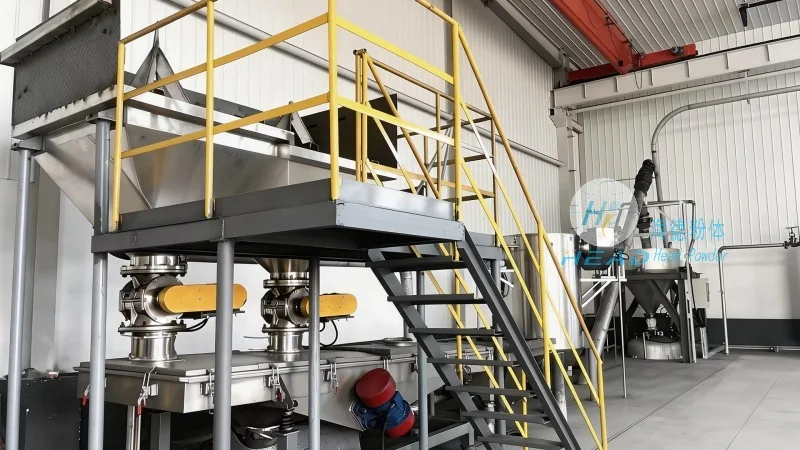
Firstly, the systems are designed to handle abrasive and sensitive materials without causing degradation or contamination. This is achieved through the use of high-quality materials for the pipeline and components, such as stainless steel or specialized polymers, which resist wear and corrosion. The design also incorporates features to minimize particle attrition, ensuring that the material's physical properties remain intact throughout the conveying process. For example, the use of flexible hoses or smooth, rounded bends reduces friction and prevents the formation of dust or fines.
Secondly, the systems offer high levels of automation and control, enabling precise regulation of flow rates and pressure. This is critical in lithium-ion battery production, where consistent material quality is essential for battery performance. The integration of sensors and control systems allows for real-time monitoring of the conveying process, with adjustments made automatically to maintain optimal conditions. This automation not only improves efficiency but also reduces the risk of human error, ensuring consistent product quality.
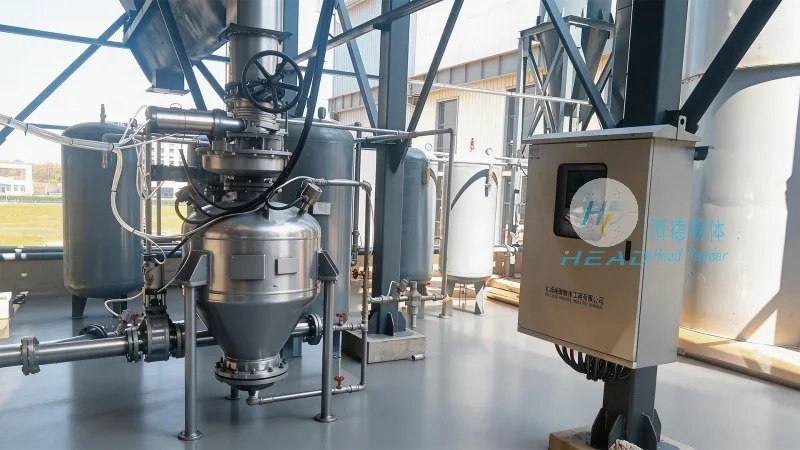
Thirdly, the systems are engineered for energy efficiency and low operational costs. By optimizing the air flow and pressure, the systems minimize energy consumption while maintaining high throughput. This is particularly important in large-scale battery manufacturing, where energy costs can significantly impact overall production expenses. The use of energy-efficient blowers and optimized pipeline designs further enhances the system's performance, making it a cost-effective solution for long-term operation.
Additionally, the systems are designed for easy maintenance and cleaning, which is crucial in industries where material contamination is a major concern. The modular design allows for quick disassembly and cleaning of components, reducing downtime and ensuring compliance with regulatory standards. This feature is especially important in lithium-ion battery production, where strict quality control measures are in place to prevent contamination from affecting battery performance.
Conclusion
HeadPowder's powder pneumatic conveying systems represent a sophisticated solution for the efficient handling of lithium-ion battery materials. By understanding the working principles and leveraging key features such as material protection, automation, energy efficiency, and ease of maintenance, these systems provide a reliable and cost-effective method for transporting bulk powders in battery manufacturing. As the demand for lithium-ion batteries continues to grow, the importance of advanced powder handling technology becomes increasingly critical, and companies like HeadPowder play a vital role in meeting these evolving industry needs.




