For industrial applications involving the handling of manganese carbonate powder, efficient and reliable material transport is crucial. Pneumatic conveying systems have emerged as a preferred solution due to their ability to handle fine powders like manganese carbonate with precision and minimal loss. This article explores the working principle and key features of such equipment, highlighting how they contribute to enhanced operational efficiency in material processing industries.
Understanding the Working Principle of Manganese Carbonate Powder Pneumatic Conveying Equipment
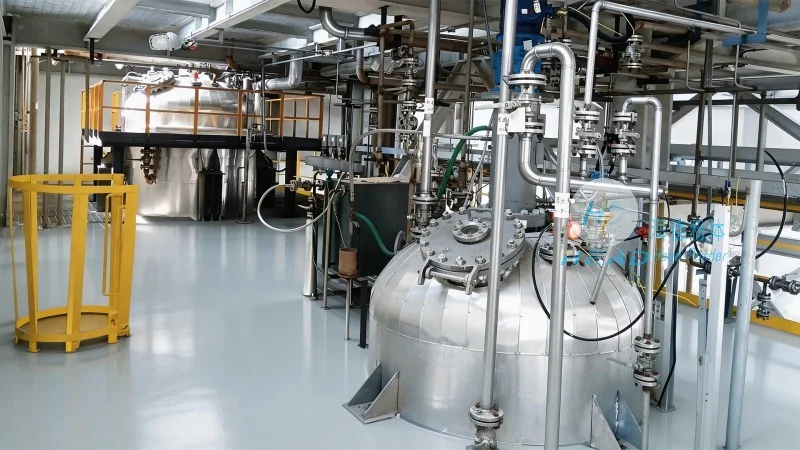
The core mechanism of pneumatic conveying for manganese carbonate powder involves the use of air or gas to transport the material from a source to a destination. The process typically operates under either positive or negative pressure, depending on the specific system design. In a positive pressure system, air is forced through the conveying line, carrying the powder particles along with it. Conversely, negative pressure systems create a vacuum that draws the powder into the line. The equipment comprises several key components, including a hopper for material storage, a feeder to control the flow rate, a conveying line, and a receiver for the material at the end point. The feeder, often a rotary valve or a venturi feeder, ensures a consistent and controlled discharge of the powder, preventing blockages and maintaining system stability. The conveying line, usually made of stainless steel or other corrosion-resistant materials, is designed to withstand the abrasive nature of manganese carbonate particles. The receiver, equipped with a dust collection system, collects the material and prevents air leakage, ensuring a clean and efficient operation.
Key Features of Manganese Carbonate Powder Pneumatic Conveying Equipment
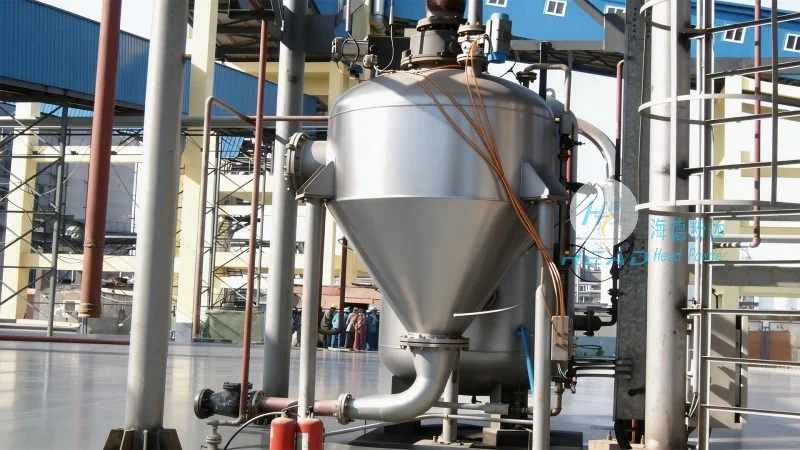
Several distinct features make pneumatic conveying equipment suitable for handling manganese carbonate powder. Firstly, the system offers a dust-free operation, which is critical for maintaining a safe and healthy working environment, especially in industries where fine powders can pose respiratory hazards. This is achieved through the enclosed design of the conveying line and the use of filtration systems at the receiver end. Secondly, the equipment provides high material handling capacity, allowing for the transport of large volumes of manganese carbonate powder over considerable distances without the need for multiple transfer points. This reduces downtime and improves overall productivity. Thirdly, the system is highly flexible, capable of conveying materials to various locations within a facility, adapting to different operational requirements. Additionally, the equipment is designed for low maintenance, with components that are easy to access and replace, minimizing operational interruptions. The use of corrosion-resistant materials in the construction of the conveying line ensures longevity and durability, even when handling chemically active materials like manganese carbonate. Furthermore, the system can be integrated with other processing equipment, such as mixers or classifiers, to form a comprehensive material handling solution. This integration enhances process efficiency and reduces the need for manual handling, which can be hazardous and inefficient.
Applications and Benefits in Industrial Settings
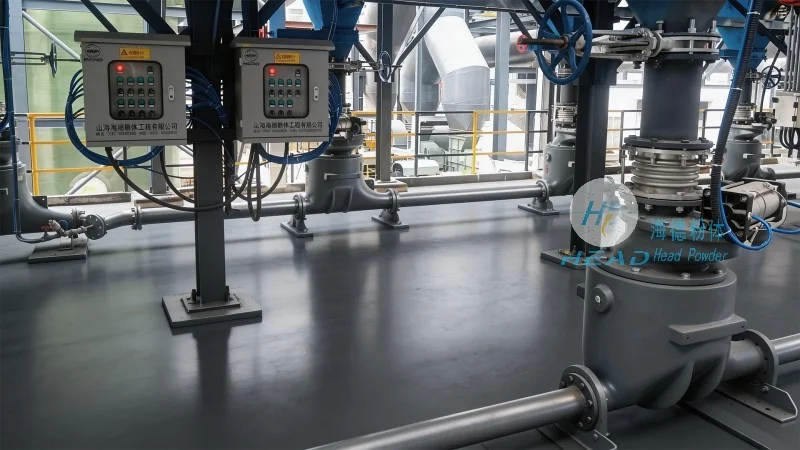
Manganese carbonate powder pneumatic conveying equipment is widely used in various industrial sectors, including chemical manufacturing, battery production, and mining. In battery production, for instance, the equipment is essential for transporting manganese carbonate raw materials to the production lines, ensuring a steady supply of high-quality material. The benefits of using such equipment extend beyond material transport; they also contribute to cost savings and improved product quality. By minimizing material loss and contamination, the system helps maintain the purity of the manganese carbonate powder, which is critical for the performance of end products. The dust-free operation also reduces the risk of fire hazards, as fine powders can be highly flammable under certain conditions. Moreover, the flexibility of the system allows for easy adjustments to production schedules, enabling manufacturers to respond quickly to market demands. The low maintenance requirements further reduce operational costs, making the equipment a cost-effective solution for long-term use.
Conclusion
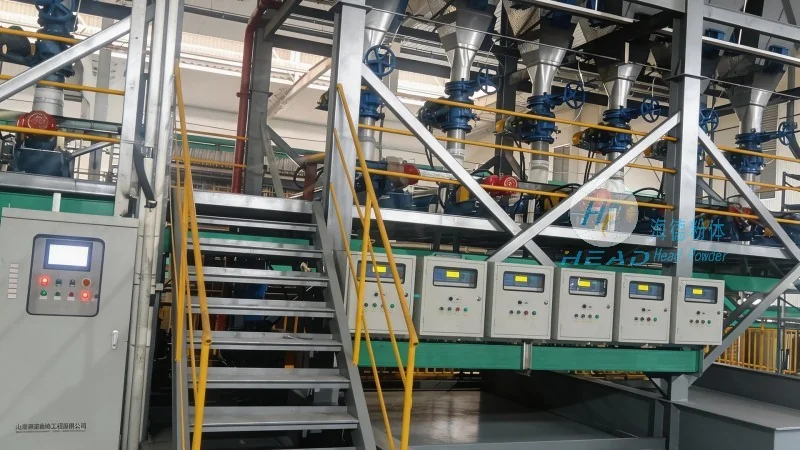
In conclusion, pneumatic conveying equipment for manganese carbonate powder is a sophisticated and efficient solution for material handling in industrial applications. Its working principle, based on air or gas transport, combined with key features such as dust-free operation, high capacity, and flexibility, makes it an ideal choice for handling fine powders. The equipment not only enhances operational efficiency but also contributes to safety and cost savings. As industries continue to demand higher standards of material handling, such equipment will remain a vital component in the processing of manganese carbonate and other similar materials. Shandong HeadPowder Engineering Co., Ltd., a leading manufacturer in this field, offers advanced solutions tailored to meet the specific needs of various industrial applications, ensuring reliable and efficient material transport for their clients.




