HeadPowder, a prominent entity in the field of powder handling technology, specializes in the design, manufacturing, and supply of advanced pneumatic conveying equipment tailored for the spice industry. With a strong presence in Shandong, China, the company leverages decades of expertise to deliver solutions that meet the stringent demands of spice processing and distribution. This article delves into the working principle and key features of their spice powder pneumatic conveying equipment, providing a comprehensive overview for industry professionals seeking efficient and reliable material handling solutions.
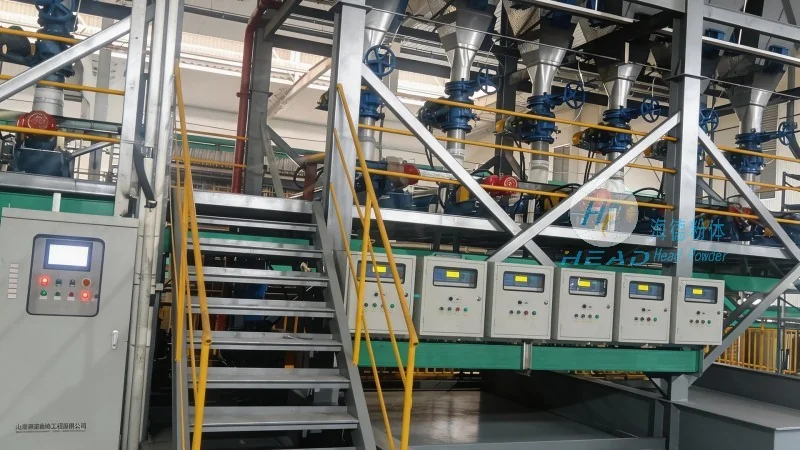
Working Principle of Pneumatic Conveying Systems for Spice Powders
The core mechanism of pneumatic conveying systems involves the transport of dry powder materials, such as spices, through a pipeline using pressurized air or vacuum. In the case of HeadPowder's equipment, the process typically operates under positive pressure, where compressed air is introduced into the conveying line to move the powder. The system comprises several critical components, including a hopper for material storage, a feeder to control the flow rate, a conveying pipe network, and a receiver for the discharged material. The working principle can be broken down into the following stages:
1. **Material Loading and Feeding**: The spice powder is loaded into the hopper, which is equipped with a discharge valve or feeder mechanism. The feeder regulates the flow of powder into the conveying line, ensuring a consistent and controlled rate of material introduction.
2. **Air Supply and Conveying**: Compressed air is supplied to the conveying line, creating a pressure differential that propels the powder. The air velocity within the pipe is maintained at a level sufficient to keep the powder suspended and prevent settling or blockages.
3. **Transport and Distribution**: The mixture of air and powder travels through the pipeline to the destination point, such as a storage silo or processing unit. The system may include intermediate branches or bends, which are designed with appropriate aerodynamic features to minimize pressure loss and maintain efficient transport.
4. **Material Discharge and Air Separation**: At the receiving end, the air and powder are separated. The powder is collected in the receiver, while the air is either vented to the atmosphere or recycled back into the system for energy efficiency.
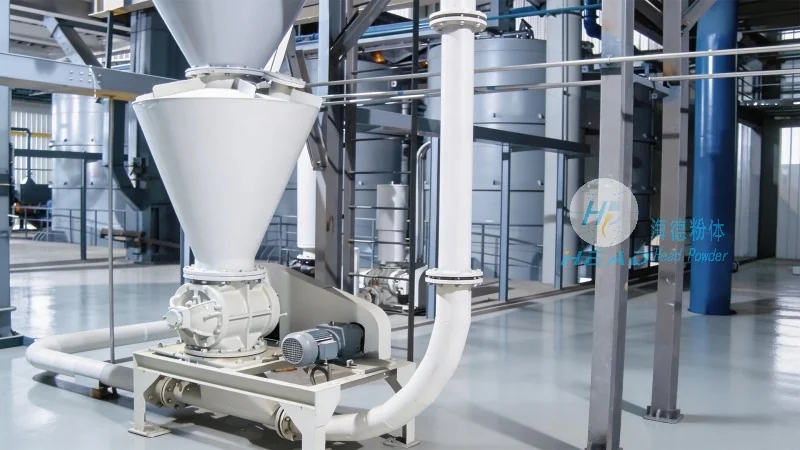
This principle ensures a continuous, dust-free, and hygienic transfer of spice powders, minimizing product contamination and operational risks.
Key Features and Advantages of the Equipment
HeadPowder's spice powder pneumatic conveying equipment is engineered with several distinctive features that enhance performance, reliability, and user experience. These features are tailored to address the specific challenges of handling delicate and high-value spice powders, such as maintaining product quality, ensuring process efficiency, and ensuring compliance with industry standards.
1. **Hygienic Design and Construction**: The equipment is constructed from food-grade materials, such as stainless steel, to meet the stringent hygiene requirements of the spice industry. Smooth surfaces, minimal dead zones, and easy-to-clean components prevent the accumulation of powder residues, reducing the risk of contamination and microbial growth.
2. **Energy Efficiency and Low Maintenance**: Advanced aerodynamic designs and optimized air flow reduce energy consumption while maintaining high conveying rates. The use of durable components and robust construction minimizes maintenance requirements, leading to lower operational costs and extended equipment lifespan.
3. **Versatility and Customization**: HeadPowder offers customizable solutions to accommodate various spice types, particle sizes, and processing requirements. The equipment can be configured with different hopper capacities, pipe diameters, and control systems to suit specific application needs, ensuring optimal performance.
4. **Safety and Control Systems**: Integrated safety features, including pressure relief valves, emergency shut-off mechanisms, and real-time monitoring systems, ensure safe operation and prevent accidents. Advanced control panels allow operators to adjust conveying parameters, such as air pressure and flow rate, to maintain consistent performance.
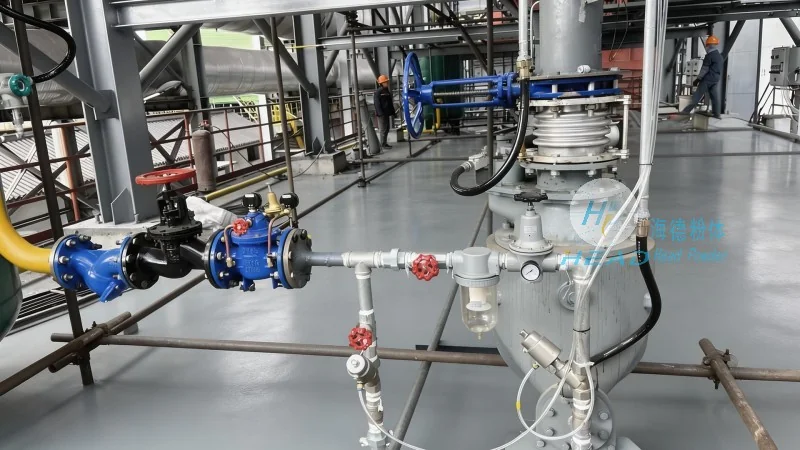
5. **Dust Control and Environmental Compliance**: The system incorporates dust collection and filtration mechanisms to minimize airborne particulates, ensuring compliance with environmental regulations and maintaining a clean working environment.
Technical Specifications and Application Considerations
When selecting a pneumatic conveying system for spice powders, several technical specifications and application factors must be considered to ensure optimal performance and cost-effectiveness. HeadPowder's equipment is designed to meet a wide range of requirements, with specifications that can be tailored to specific project needs.
**Conveying Capacity**: The system's capacity is determined by factors such as the powder's bulk density, particle size distribution, and the required flow rate. HeadPowder's equipment can handle capacities ranging from low to high, with options for both low and high-pressure systems.
**Pipe Diameter and Length**: The diameter of the conveying pipe and the total length of the system affect the pressure drop and energy consumption. Proper sizing is crucial to maintain efficient transport and minimize operational costs.
**Air Pressure and Flow Rate**: The air pressure and flow rate are critical parameters that influence the conveying velocity and material suspension. Higher air pressures are typically used for longer distances or larger particle sizes, while lower pressures are suitable for shorter distances or finer powders.




