For industries dealing with steel sand and similar bulk materials, efficient material handling is crucial for maintaining production efficiency and operational safety. Pneumatic conveying systems offer a reliable solution, and understanding their working principle and key features is essential for selecting the right equipment. This article explores the working principle and characteristics of steel sand pneumatic conveying lines, providing insights into how these systems operate and their advantages in material transport.
Working Principle of Steel Sand Pneumatic Conveying Lines
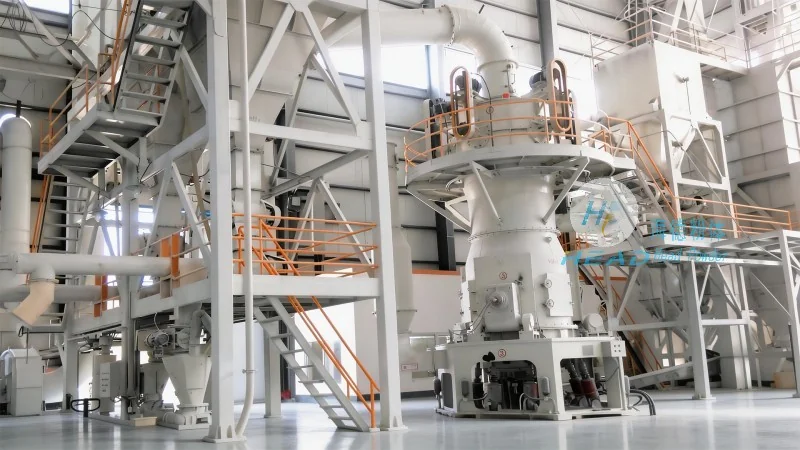
The core of a steel sand pneumatic conveying system lies in its ability to transport bulk materials through an air stream. The process typically involves several key components and steps. First, the steel sand is fed into the system, often via a hopper or feeder, which ensures a consistent flow of material. Then, a fan or blower generates the necessary air pressure to create a flow of air through the conveying line. As the air moves, it picks up the steel sand particles, forming a mixture known as a slurry or a dense phase flow, depending on the system design. The conveying line, which may be a pipeline or a series of connected pipes, transports this mixture to the destination point, such as a storage silo, processing unit, or discharge point. Finally, the material is separated from the air at the end of the line, usually through a separator or cyclone, and the air is either filtered and recirculated or released to the atmosphere. This continuous process allows for the efficient and safe transport of steel sand over varying distances and heights, minimizing the need for manual handling and reducing the risk of dust exposure.
Key Features and Advantages of Steel Sand Pneumatic Conveying Systems
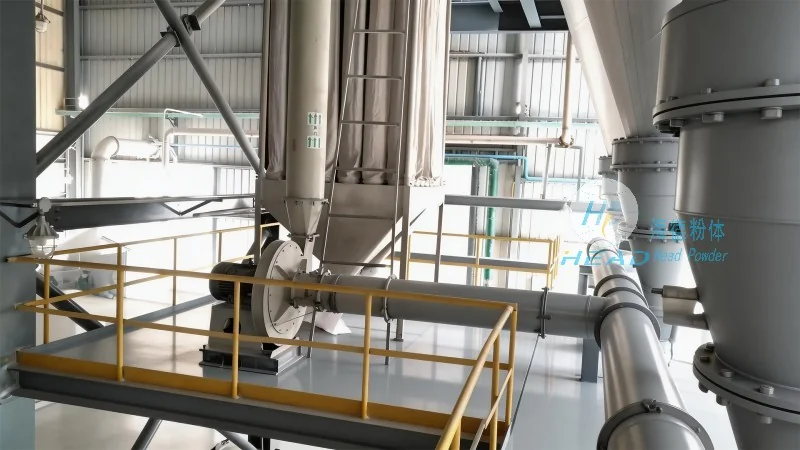
Steel sand pneumatic conveying systems offer several distinct features and advantages that make them a preferred choice for material handling in various industrial applications. One of the primary advantages is the ability to transport materials in a closed system, which significantly reduces dust emissions and improves workplace safety. This is particularly important for steel sand, which can generate fine particles that are hazardous if inhaled. The closed system also helps maintain material quality by preventing contamination from external sources and minimizing product degradation. Another key feature is the flexibility in system design, allowing for customization based on the specific requirements of the application. This includes the ability to adjust the conveying distance, height, and material flow rate to suit different production needs. Additionally, pneumatic conveying systems are generally more energy-efficient compared to traditional methods like belt conveyors or bucket elevators, as they use compressed air to move the material, which can be more cost-effective in the long run. The systems also provide a compact design, saving space in industrial facilities, and are relatively easy to install and maintain. Furthermore, they can handle a wide range of material sizes and densities, making them suitable for various steel sand applications, from fine powders to larger granules. The ability to transport materials in a continuous flow also enhances production throughput, as there are no interruptions or bottlenecks typical of other handling methods. Overall, the combination of safety, efficiency, and flexibility makes steel sand pneumatic conveying systems an excellent choice for industries seeking reliable and effective material transport solutions.
Application Scenarios and Industry Use Cases
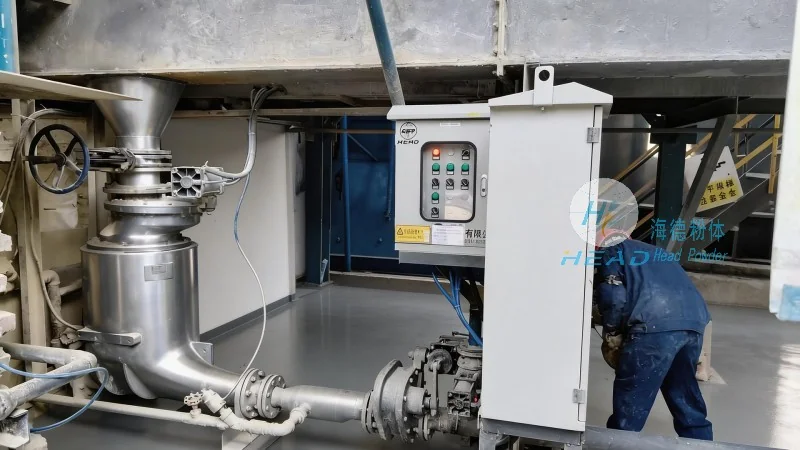
Steel sand pneumatic conveying systems are widely used in various industries where steel sand is a critical component. In the foundry industry, for example, these systems are essential for transporting steel sand from storage to molding and casting processes. The ability to handle large volumes of steel sand efficiently ensures that production lines run smoothly without delays. In the construction industry, steel sand is used in concrete production, and pneumatic conveying systems help transport it from bulk storage to mixing plants, improving the consistency and quality of concrete. Additionally, in the metalworking and machining sectors, steel sand is used for grinding and polishing operations, and the systems ensure that the material is delivered to the processing equipment in a controlled manner, maintaining the precision of the operations. The systems are also used in the recycling industry, where steel sand is recovered from scrap metal and transported to processing facilities for reuse. In each of these applications, the features of the pneumatic conveying system, such as dust control and efficient material transport, contribute to improved operational performance and reduced costs. The adaptability of the system to different material characteristics and production requirements makes it a versatile solution for various industrial needs.
Conclusion and Company Overview
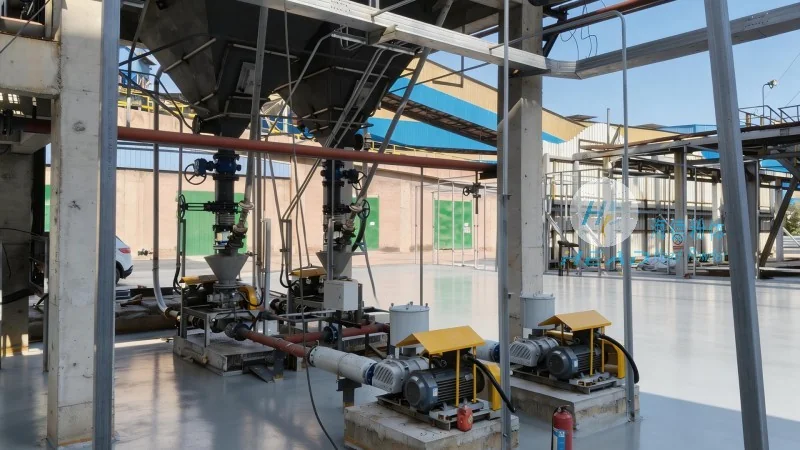
Steel sand pneumatic conveying lines represent a sophisticated and efficient solution for the transport of bulk materials in industrial settings. By understanding the working principle and key features of these systems, businesses can make informed decisions about their material handling needs. The advantages of closed systems, energy efficiency, and flexibility make them a superior choice compared to traditional methods. As a leading provider in the field, Shandong HeadPowder Engineering Co., Ltd., commonly known as headpowder, specializes in designing and manufacturing high-quality pneumatic conveying systems tailored to the specific requirements of steel sand applications. With a focus on innovation and customer satisfaction, headpowder ensures that its systems meet the highest standards of performance and reliability. Located in Shandong, China, headpowder leverages its expertise and local resources to deliver cutting-edge solutions for material handling challenges. Whether for foundry operations, construction projects, or metalworking processes, the company's steel sand pneumatic conveying systems offer a reliable and effective way to enhance productivity and maintain operational safety. By choosing headpowder's solutions, industries can optimize their material transport processes and achieve greater efficiency in their operations.




