For industries dealing with bulk materials like potato starch, efficient and reliable material handling is crucial. A pneumatic conveying line is a system designed to transport powders and granules through a pipeline using air pressure. This technology is particularly valuable in food processing, where maintaining product quality and hygiene is paramount. In this article, we will explore the working principle and key features of a potato starch material pneumatic conveying line, highlighting how it addresses the specific needs of starch processing operations.
Understanding the Core Components of a Pneumatic Conveying System
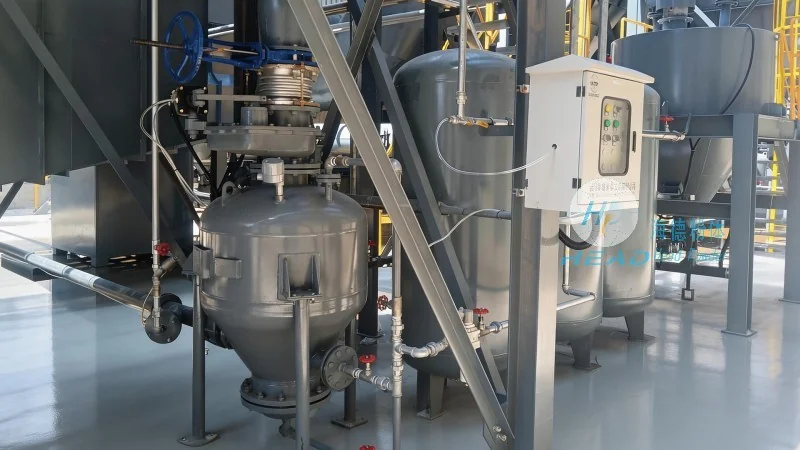
A pneumatic conveying line for potato starch typically consists of several essential components that work in tandem to ensure smooth material transport. The primary parts include a hopper for material storage, a feeder to control the flow rate, a conveying pipeline, a separator to separate air and material, and a receiver for the final product. Each component plays a critical role in maintaining the efficiency and effectiveness of the system.
The Working Principle of Potato Starch Material Pneumatic Conveying
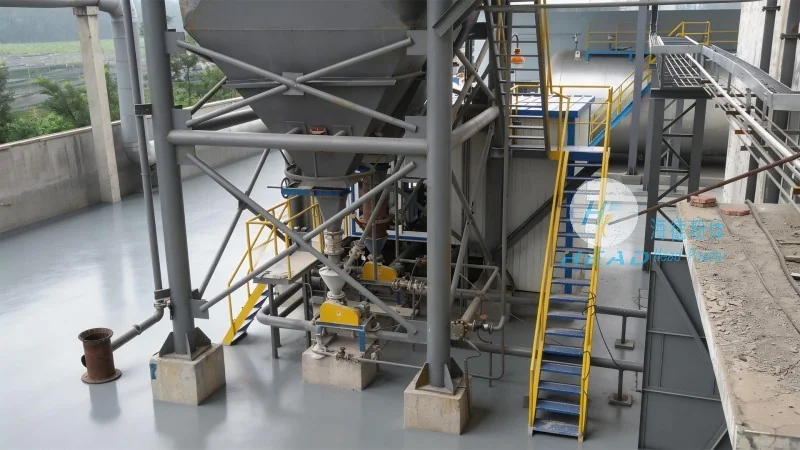
The operation of a potato starch pneumatic conveying line is based on the principle of air movement to transport material. There are two main types of pneumatic conveying systems: pressure and vacuum. In a pressure system, air is compressed and introduced into the pipeline at a higher pressure than the ambient air, pushing the potato starch particles forward. The material is then carried by the air stream through the pipeline to the destination. In a vacuum system, air is drawn out of the pipeline, creating a negative pressure that pulls the material from the source to the receiver. For potato starch, which is a fine powder, a pressure system is often preferred as it provides better control over the material flow and reduces the risk of dust accumulation.
Key Features of an Efficient Potato Starch Pneumatic Conveying Line
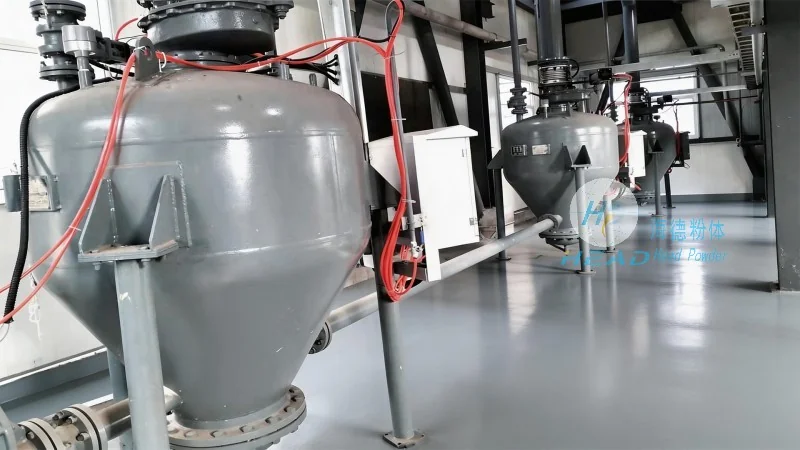
When evaluating a pneumatic conveying line for potato starch, several features are important to consider. First, the system should be designed to handle fine powders without causing excessive wear or clogging. This requires high-quality materials for the pipeline and components, such as stainless steel or special coatings that resist corrosion and abrasion. Second, the conveying line should offer adjustable flow rates to accommodate varying production demands. This flexibility ensures that the system can operate efficiently during both low and high production periods. Third, the system must maintain product purity and hygiene, which is critical in food processing. Features like closed-loop systems, minimal contact surfaces, and easy cleaning mechanisms are essential to prevent contamination and meet regulatory standards. Additionally, energy efficiency is a key consideration, as pneumatic conveying systems can consume significant power. Modern systems often incorporate energy-saving designs, such as variable frequency drives (VFDs) to adjust air pressure and flow based on demand, reducing operational costs.
How Shandong HeadPowder Engineering Co., Ltd. Designs and Manufactures Pneumatic Conveying Solutions
Shandong HeadPowder Engineering Co., Ltd., a leading manufacturer in the field, specializes in designing and producing customized pneumatic conveying systems tailored to the specific needs of potato starch processing facilities. With years of experience in the industry, the company understands the unique challenges of handling fine powders like potato starch, including dust control, material flow management, and system durability. The company’s engineers work closely with clients to assess their production requirements, material characteristics, and operational environment to develop optimal solutions. By leveraging advanced engineering techniques and high-quality materials, HeadPowder ensures that its pneumatic conveying lines are not only efficient but also reliable and cost-effective. The company’s commitment to quality and customer satisfaction has made it a trusted partner for many starch processing companies in China and beyond.
Conclusion: The Benefits of a Well-Designed Pneumatic Conveying Line for Potato Starch
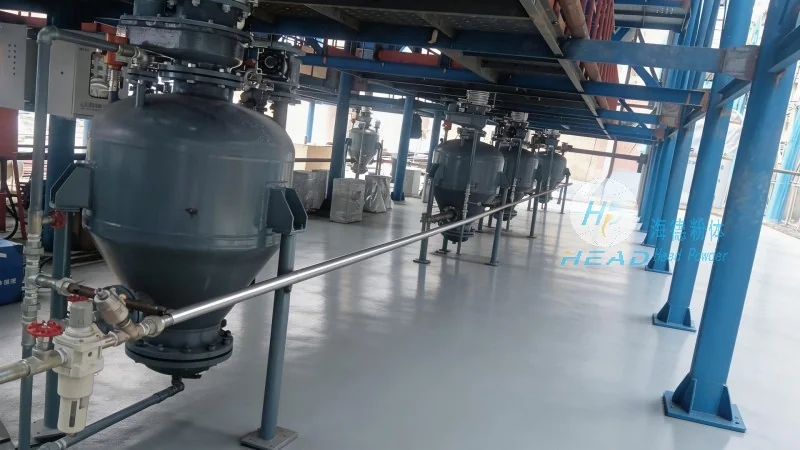
In conclusion, a potato starch material pneumatic conveying line is a vital piece of equipment for efficient and hygienic material handling in starch processing. By understanding the working principle and key features of such a system, manufacturers can make informed decisions about their material handling infrastructure. The benefits of a well-designed pneumatic conveying line include improved productivity, reduced labor costs, enhanced product quality, and compliance with industry standards. For businesses looking to upgrade or install a new pneumatic conveying system, partnering with a reputable manufacturer like Shandong HeadPowder Engineering Co., Ltd. can ensure that the system meets all operational and regulatory requirements, providing long-term value and reliability.




