Glutinous rice powder, a key ingredient in many traditional and modern food products, requires efficient and reliable handling during processing. The use of pneumatic conveying equipment has become increasingly important in the industry to ensure smooth material transfer from one stage to another. This article explores the fundamental principles behind such equipment and highlights the specific characteristics of working scenes where it is applied, with a focus on the expertise of Shandong HeadPowder Engineering Co., Ltd.
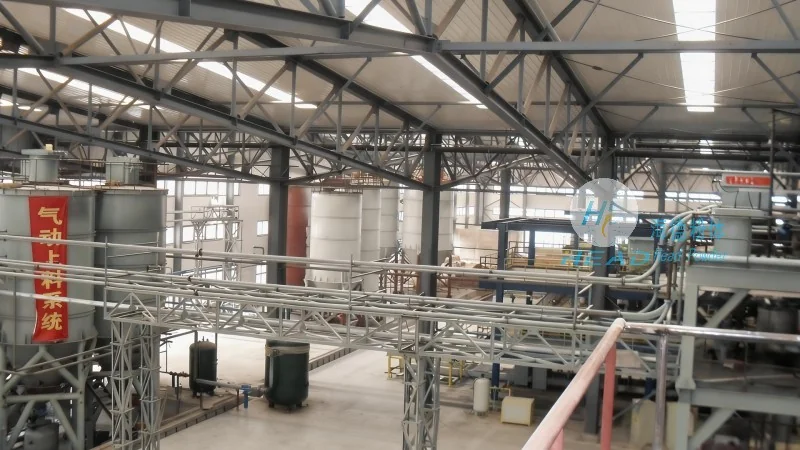
Understanding the Pneumatic Conveying Principle
Pneumatic conveying systems utilize air or gas to transport bulk materials like glutinous rice powder through a pipeline network. The core mechanism involves creating a pressure differential between the inlet and outlet of the system. In an aspiration (suction) system, air is drawn into the material container, carrying the powder particles into the pipeline. Conversely, a compression (pressure) system forces air through the pipeline, pushing the powder forward. The choice between these two systems depends on factors such as the distance to be covered, the material's properties, and the desired flow rate. For glutinous rice powder, which is often fine and can be prone to caking, an aspiration system is commonly preferred due to its ability to handle low concentrations and reduce material degradation.
Key Components and Their Functions
The effectiveness of a pneumatic conveying system for glutinous rice powder hinges on several critical components. The feed hopper is responsible for storing and feeding the powder into the system, ensuring a consistent flow. The conveying line itself, typically made of stainless steel or other corrosion-resistant materials, must be designed to prevent powder buildup and maintain hygiene standards, which are paramount in food processing. The air compressor or vacuum pump generates the necessary pressure or suction to move the material. Additionally, separation and filtration systems are essential to remove excess air and fine particles, preventing blockages and ensuring the purity of the conveyed powder. These components work in tandem to create a seamless and efficient material transfer process.
Working Scene Characteristics in the Glutinous Rice Industry
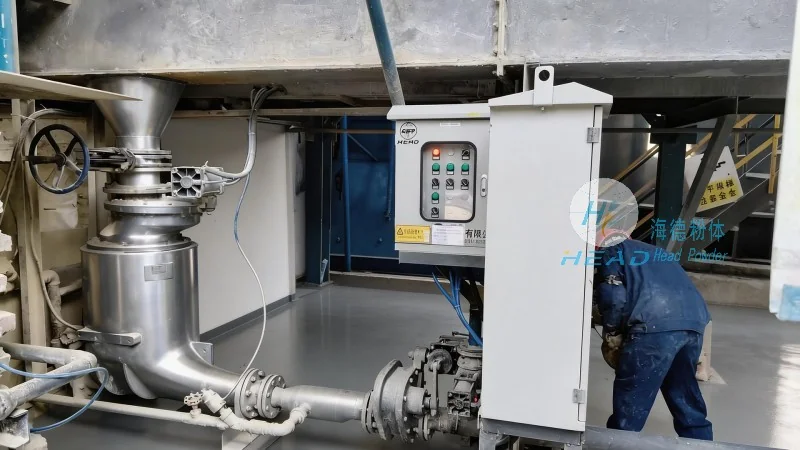
The application of pneumatic conveying equipment in the glutinous rice processing industry is characterized by several unique aspects. First, the hygiene and cleanliness requirements are stringent, as the equipment must comply with food safety regulations. The materials used in the construction of the conveying system, such as stainless steel, are chosen for their non-corrosive and easy-to-clean properties. Second, the flexibility in system design is crucial. Many processing plants require the ability to transport glutinous rice powder to multiple destinations, such as from the milling stage to storage silos or to different production lines. This necessitates a modular design that allows for easy expansion or reconfiguration of the conveying network. Third, the efficiency and energy consumption are key considerations. Modern pneumatic conveying systems are designed to optimize air usage, reducing operational costs while maintaining high material throughput. For instance, variable speed drives can adjust the air flow based on the actual demand, minimizing energy waste.
Advantages of Pneumatic Conveying for Glutinous Rice Powder
Compared to traditional mechanical conveying methods like screw conveyors or belt conveyors, pneumatic conveying offers several advantages when handling glutinous rice powder. One of the most significant benefits is the prevention of material contamination. Since the powder is transported in a closed system, it is protected from external pollutants and moisture, which is critical for maintaining the quality of the final product. Additionally, pneumatic systems are non-contact, reducing the risk of material degradation from friction or impact. This is particularly important for delicate ingredients like glutinous rice powder, which can easily lose its texture and flavor if handled roughly. Furthermore, the speed and flexibility of pneumatic conveying allow for rapid changes in production schedules. The system can quickly adapt to varying production volumes, making it suitable for both small-scale and large-scale operations.
Customization and Integration with Existing Facilities
Shandong HeadPowder Engineering Co., Ltd. specializes in designing and manufacturing customized pneumatic conveying solutions tailored to the specific needs of the glutinous rice industry. The company's expertise lies in integrating these systems with existing processing facilities, ensuring seamless operation without disrupting current production lines. Customization options include varying the size of the conveying line, adjusting the air pressure, and incorporating additional features such as dust collection and material recovery systems. For example, a company might require a system that can handle both raw glutinous rice and processed powder, necessitating a dual-purpose design. The engineers at HeadPowder work closely with clients to understand their operational requirements and provide solutions that maximize efficiency and minimize downtime.
Maintenance and Longevity of the Equipment
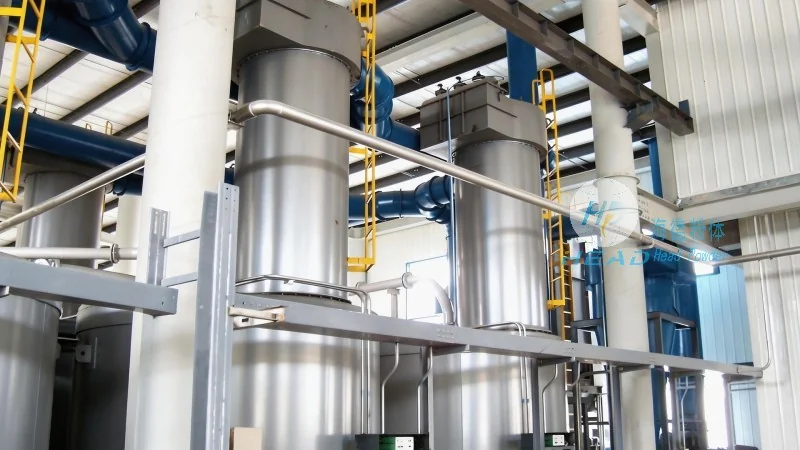
Proper maintenance is essential to ensure the long-term performance and reliability of pneumatic conveying equipment for glutinous rice powder. Regular cleaning of the conveying line and components is crucial to prevent the buildup of powder residues, which can lead to blockages and reduced efficiency. The use of high-quality materials and components also contributes to the longevity of the system. For instance, stainless steel parts are less prone to corrosion and wear compared to other materials. Additionally, implementing a preventive maintenance schedule, such as routine inspections of the air compressor and filter systems, can help identify potential issues before they escalate into major problems. By adhering to these maintenance practices, users can extend the operational life of the equipment and maintain consistent performance over time.
Conclusion
In conclusion, pneumatic conveying equipment plays a vital role in the efficient and hygienic handling of glutinous rice powder. The principles behind these systems, combined with their working scene characteristics, offer significant advantages in terms of material quality, process flexibility, and operational efficiency. Companies like Shandong HeadPowder Engineering Co., Ltd. provide specialized solutions that cater to the unique demands of the glutinous rice industry, ensuring that the equipment not only meets but exceeds the expectations of modern food processing operations. As the industry continues to evolve, the importance of reliable and effective material handling systems will only grow, making pneumatic conveying an indispensable component of any successful glutinous rice processing facility.




