Iron fines powder conveying lines are essential equipment in industrial processes, particularly for handling iron fines, a type of fine-grained material commonly used in various manufacturing applications. These systems are designed to efficiently transport iron fines from one location to another, ensuring smooth and reliable material flow. The core principle behind these conveying lines involves the use of mechanical or pneumatic systems to move the fine particles, often with considerations for material properties, such as density, moisture content, and particle size, to optimize performance.
Principle of Iron Fines Powder Conveying Lines
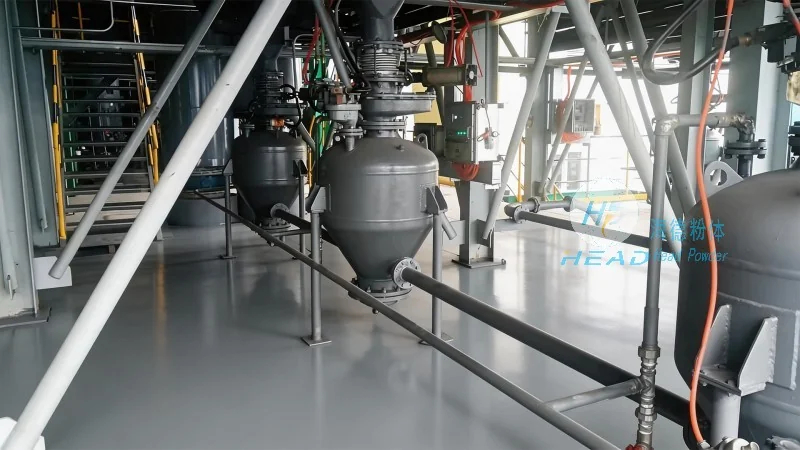
The fundamental principle of iron fines powder conveying lines is to utilize a combination of pressure, vacuum, or mechanical force to transport the fine particles. In many industrial applications, pneumatic conveying systems are preferred due to their ability to handle a wide range of particle sizes and moisture levels. These systems typically consist of a feeding device, a conveying line (often with bends and straight sections), and a receiving hopper. The feeding device, such as a rotary valve or a star feeder, introduces the iron fines into the conveying line. The conveying medium, usually air or a mixture of air and other gases, is then used to transport the particles through the line. The pressure or vacuum created in the system ensures that the particles are moved efficiently without clogging or degradation. Mechanical conveying systems, on the other hand, rely on screw conveyors, belt conveyors, or bucket elevators to move the material. These systems are often used for bulkier or more abrasive materials but can also be adapted for iron fines under specific conditions.
Working Scene Characteristics of Iron Fines Powder Conveying Lines
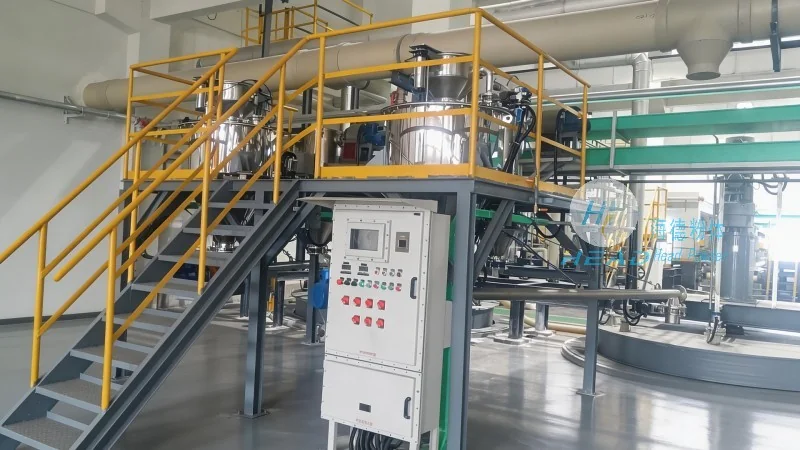
The working scene characteristics of iron fines powder conveying lines vary based on the specific industrial application and the environment in which they operate. For example, in metalworking facilities, these systems are commonly used to transport iron fines from grinding or machining processes to storage or further processing areas. The key characteristics in such scenarios include high material throughput, consistent particle size distribution, and minimal material loss. In foundries, iron fines are often used as a raw material for iron casting, and the conveying lines are designed to deliver the material to the melting furnaces or mixers. The working environment in foundries is typically characterized by high temperatures and dust, requiring the conveying systems to be robust and dust-tight. Additionally, in recycling facilities, iron fines are recovered from scrap metal and transported to processing units. The conveying lines in these settings must be able to handle contaminated materials and ensure that the iron fines are separated from other non-ferrous materials. Another important characteristic is the need for dust control and environmental compliance. Many industrial applications require the conveying lines to be equipped with dust collection systems to prevent air pollution and ensure worker safety. The design of the conveying line, including the type of materials used for the components (e.g., stainless steel or corrosion-resistant alloys) and the sealing mechanisms, plays a crucial role in maintaining a dust-free environment and preventing material contamination.
Key Features and Advantages of Iron Fines Powder Conveying Lines
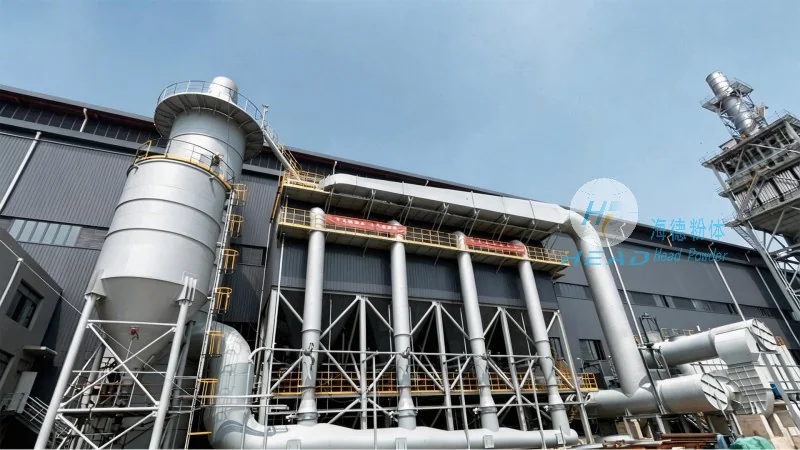
Iron fines powder conveying lines offer several key features and advantages that make them suitable for various industrial applications. One of the primary advantages is their ability to handle fine particles efficiently, even those with high moisture content or abrasive properties. The systems are designed to minimize material degradation and ensure consistent particle size distribution, which is critical for downstream processes. Another advantage is the flexibility in system design, allowing customization based on the specific requirements of the application. For instance, the conveying line can be adjusted in terms of length, diameter, and the number of bends to accommodate different layouts and space constraints. The use of pneumatic conveying systems also provides advantages in terms of energy efficiency and reduced maintenance compared to mechanical systems in some cases. Additionally, the systems are often equipped with monitoring and control features, such as pressure sensors and flow meters, to ensure optimal operation and detect any issues in real-time. These features help in maintaining the efficiency of the conveying process and reducing downtime. The robust construction of the conveying lines, using materials like stainless steel or high-strength plastics, ensures durability and long service life, even in harsh industrial environments. The ability to integrate with other industrial equipment, such as mixers, furnaces, or storage silos, further enhances the functionality and efficiency of the overall system.




