Sodium chloride, commonly known as table salt, is a widely used chemical substance in various industries. The efficient and reliable transportation of sodium chloride powder is crucial for industrial processes, and this is where specialized conveying systems come into play. This article explores the fundamental principles behind sodium chloride powder conveying lines and highlights the key working scene characteristics that make them effective in industrial applications.
Core Principles of Sodium Chloride Powder Conveying Systems
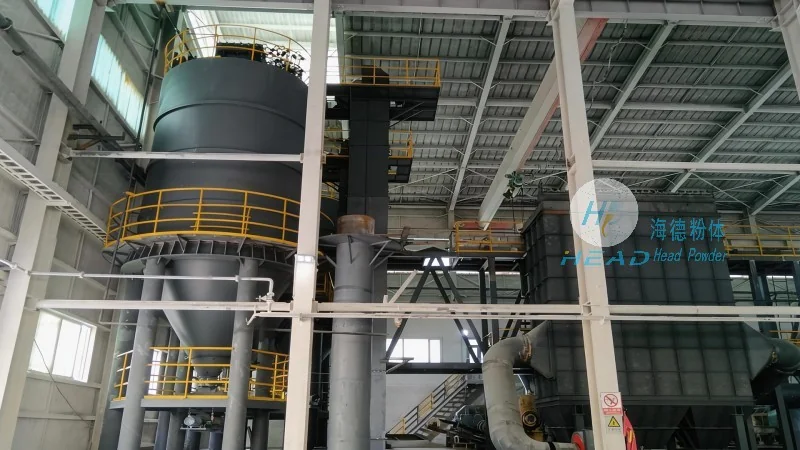
The operation of sodium chloride powder conveying lines is based on several core principles that ensure the safe and efficient movement of the material. These systems typically utilize pneumatic or mechanical methods to transport the powder from one location to another. Pneumatic conveying systems, for instance, use compressed air to create a flow that carries the powder through a pipeline. Mechanical conveying systems, on the other hand, rely on equipment such as screw conveyors or belt conveyors to move the material. The choice of system depends on factors like the volume of material to be transported, the distance, and the required speed of operation. In the case of sodium chloride powder, the material's properties, such as its density and flowability, are also critical considerations in selecting the appropriate conveying method. The design of the conveying line must account for these properties to prevent issues like blockages or material degradation during transport.
Working Scene Characteristics of Sodium Chloride Powder Conveying Lines
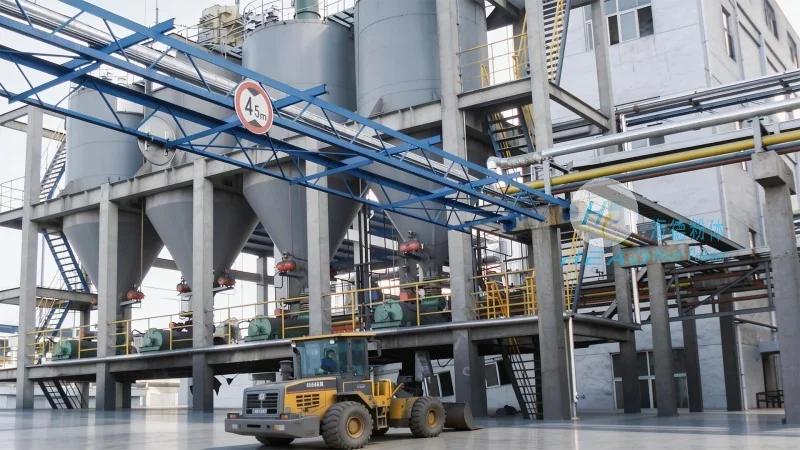
The working scene characteristics of sodium chloride powder conveying lines are tailored to meet the specific demands of industrial environments. These characteristics include high capacity, low maintenance requirements, and the ability to handle large volumes of material without compromising quality. The systems are often designed to operate in continuous mode, ensuring a steady flow of sodium chloride from the source to the destination. This is particularly important in applications where the material is used in large quantities, such as in food processing, chemical manufacturing, or water treatment facilities. The conveying lines are also built to withstand the corrosive nature of sodium chloride, which can affect other materials over time. Materials like stainless steel are commonly used in the construction of these systems to ensure durability and resistance to corrosion. Additionally, the systems are equipped with safety features to prevent dust explosions or other hazards, which are common in powder handling operations. The working scene also involves the integration of the conveying line with other industrial equipment, such as storage silos or processing units, to create a seamless workflow. This integration ensures that the sodium chloride is transferred efficiently from storage to processing, minimizing downtime and maximizing productivity.
Application Scenarios in Industrial Settings
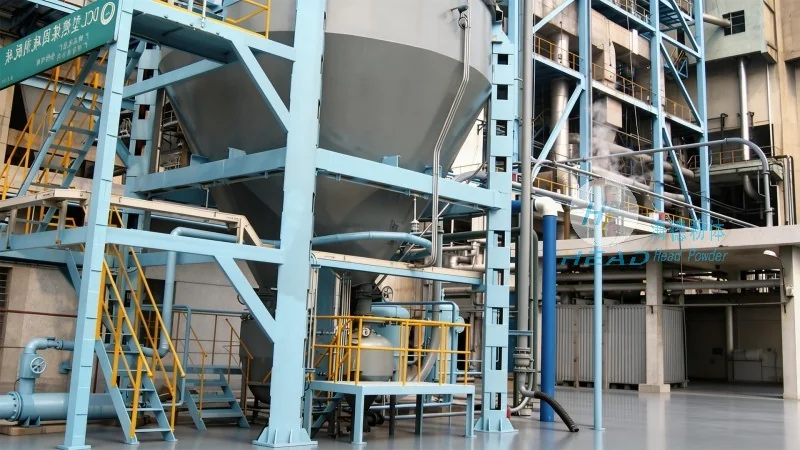
Sodium chloride powder conveying lines are employed in a variety of industrial settings where the material needs to be transported over significant distances or in large quantities. In the food industry, for example, these systems are used to transport salt from storage silos to processing plants, ensuring a consistent supply of raw material for food production. The pharmaceutical industry also utilizes sodium chloride powder conveying lines to transport the material to manufacturing facilities, where it is used as an excipient or in the production of various medications. In the chemical industry, the systems are used to transport sodium chloride to plants that produce other chemicals, such as chlorine or sodium hydroxide. The water treatment industry also relies on these conveying lines to transport sodium chloride for water softening processes, where the salt is used to remove hardness from water. Each of these applications requires a tailored conveying system that meets the specific requirements of the industry, such as the need for high purity or the ability to handle large volumes of material.
Advantages of Using Sodium Chloride Powder Conveying Lines
Implementing sodium chloride powder conveying lines offers several advantages over traditional methods of material transport. One of the primary benefits is the reduction in labor costs, as the systems can operate continuously without the need for manual handling. This not only increases efficiency but also improves workplace safety by minimizing the risk of accidents associated with manual handling of powders. Another advantage is the reduction in material waste, as the systems are designed to minimize spillage and loss during transport. This is particularly important for sodium chloride, which is a valuable commodity and can be costly to replace. The systems also offer better control over the flow of material, allowing for precise dosing and regulation of the amount of sodium chloride being transported. This is crucial in applications where the exact amount of salt is required, such as in food processing or pharmaceutical manufacturing. Furthermore, the systems are designed to be energy-efficient, reducing the overall operational costs of the facility. The use of advanced materials and engineering in the construction of these systems ensures that they have a long service life, reducing the need for frequent maintenance and replacement.
Conclusion
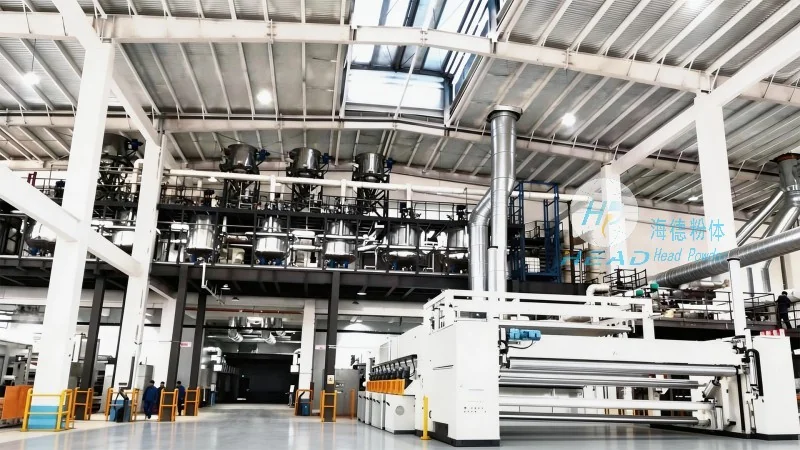
In conclusion, sodium chloride powder conveying lines are essential components in industrial processes that require the efficient and reliable transport of sodium chloride powder. The principles behind these systems, combined with their working scene characteristics, make them effective in various applications. The systems are designed to handle large volumes of material, operate continuously, and withstand the corrosive nature of sodium chloride. The advantages of using these systems, such as reduced labor costs, minimized waste, and improved control over material flow, make them a preferred choice in many industries. As industrial processes continue to evolve, the importance of efficient powder conveying systems will only increase, and sodium chloride powder conveying lines will remain a critical technology in the handling of this essential material.




