Straw ash powder conveying lines are essential systems in modern industrial processes, particularly in the handling and transportation of fine powders derived from agricultural waste processing. Understanding the underlying principles and the diverse working scenarios where these systems are applied is crucial for optimizing operational efficiency and ensuring safe, reliable material transport. This article delves into the technical foundation of straw ash powder conveying lines, exploring their core mechanisms and the specific environments where they excel.
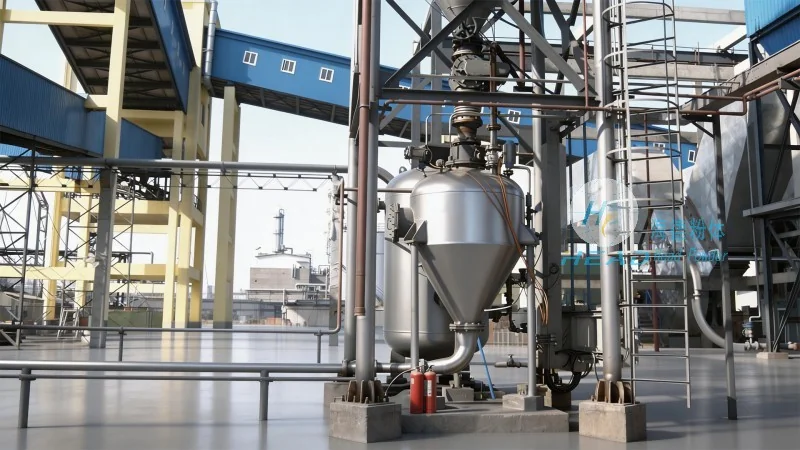
Core Principles of Straw Ash Powder Conveying Lines
The fundamental principle of straw ash powder conveying lines revolves around the efficient movement of fine particulate materials, such as those generated from the combustion or processing of straw, through a closed or semi-closed system. These systems typically employ pneumatic or mechanical methods to transport the powder, depending on the material properties, particle size, and required transport distance. Pneumatic conveying, for instance, utilizes compressed air to create a flow that propels the powder through pipes, while mechanical conveying may involve screw conveyors, belt conveyors, or other mechanical devices that physically move the material.
Key components of a straw ash powder conveying line include the material feed hopper, which stores and regulates the flow of the powder; the conveying ducts or pipes, which transport the material from the source to the destination; and the control systems, such as valves, sensors, and regulators, that manage the pressure, flow rate, and direction of the material. The design of these components is tailored to the specific characteristics of straw ash, including its moisture content, particle size distribution, and potential for agglomeration, ensuring that the conveying process is both effective and safe.
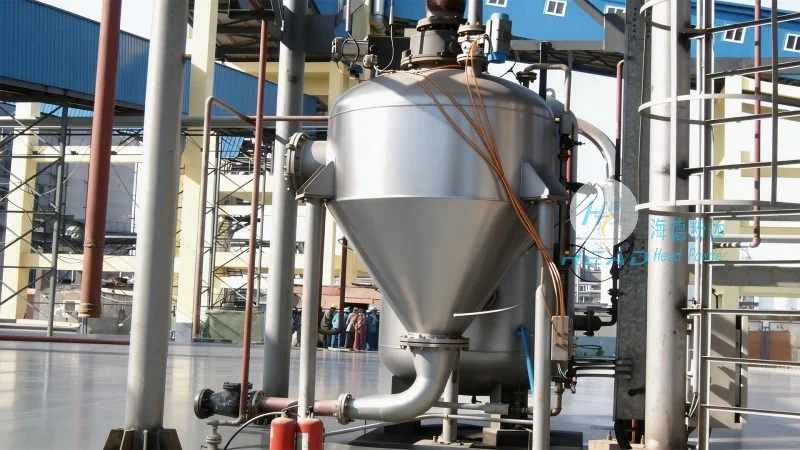
Working Scene Characteristics and Applications
Straw ash powder conveying lines are widely utilized across various industrial sectors, each presenting unique challenges and requirements that the system must address. In the agricultural waste processing industry, these lines are commonly employed to transport ash from biomass combustion facilities to storage or disposal sites. The working scene in this context often involves large volumes of material, requiring high-capacity conveying systems capable of handling continuous or batch operations. The environment may also involve outdoor or semi-outdoor settings, necessitating robust construction and weather-resistant components to withstand varying conditions.
In the environmental and waste management sector, straw ash powder conveying lines play a critical role in the treatment and recycling of agricultural residues. These systems may be integrated into larger waste management facilities, where the ash is processed into valuable byproducts or disposed of in compliance with environmental regulations. The working scene here emphasizes precision and control, as the material may need to be conveyed to specific treatment units or storage areas with minimal loss or contamination. The systems are designed to minimize dust emissions and ensure compliance with air quality standards, making them suitable for environmentally sensitive applications.
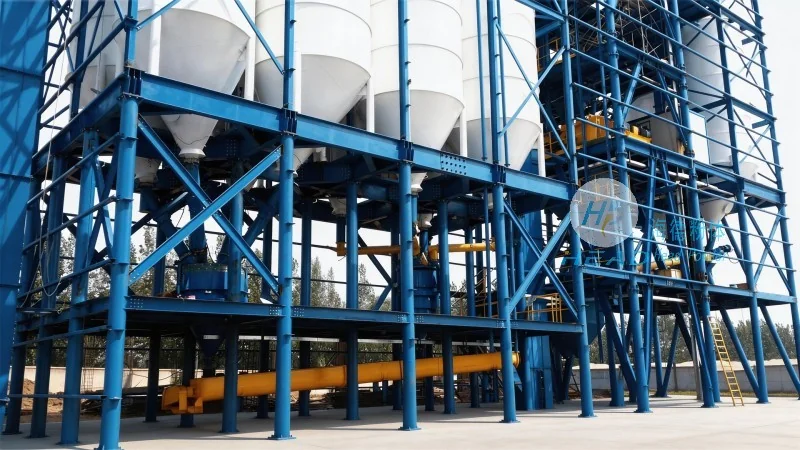
Technical Advantages and Operational Efficiency
One of the primary advantages of straw ash powder conveying lines is their ability to handle fine powders without the need for manual handling, which reduces labor costs and improves workplace safety. The enclosed nature of the system also helps to contain dust and prevent environmental contamination, addressing key concerns in modern industrial operations. Additionally, these systems can be integrated with other processing equipment, such as grinding or mixing units, to form a comprehensive material handling solution that enhances overall operational efficiency.
From a technical perspective, the choice of conveying method (pneumatic vs. mechanical) depends on factors like the material's density, flowability, and the distance to be covered. Pneumatic systems are particularly effective for long-distance or high-volume transport, as they can handle a wide range of particle sizes and maintain consistent flow rates. Mechanical conveyors, on the other hand, are often preferred for shorter distances or when the material requires gentle handling to prevent degradation. The flexibility of these systems allows for customization to meet the specific needs of different applications, ensuring optimal performance in diverse working scenarios.
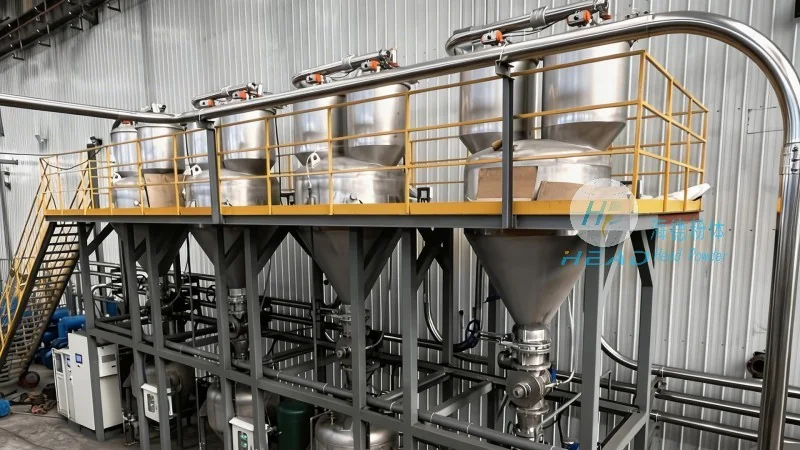
Company Overview: Shandong HeadPowder Engineering Co., Ltd.
HeadPowder, or Shandong HeadPowder Engineering Co., Ltd., is a leading provider of advanced material handling solutions, specializing in the design, manufacturing, and installation of straw ash powder conveying lines and related equipment. With a strong focus on innovation and customer-centric solutions, the company has established itself as a trusted partner in the agricultural and environmental sectors. HeadPowder's expertise lies in understanding the unique challenges of straw ash processing and developing tailored systems that meet the highest standards of efficiency, reliability, and safety.
HeadPowder's facilities are located in Shandong, China, where the company leverages local resources and expertise to deliver high-quality products and services. The company's team of engineers and technicians brings extensive experience in material handling technology, ensuring that each project is executed with precision and attention to detail. By combining advanced engineering with practical application knowledge, HeadPowder delivers solutions that not only meet but exceed the expectations of its clients, contributing to the sustainable management of agricultural waste and the protection of the environment.




