Wet sodium nitrate is a critical chemical compound widely used in various industrial applications, including fertilizer production, explosives manufacturing, and chemical synthesis. The efficient handling and transportation of this material are essential for maintaining operational efficiency and ensuring safety in industrial processes. This article explores the principles and working scene characteristics of wet sodium nitrate material handling, providing insights into the technical aspects and practical applications.
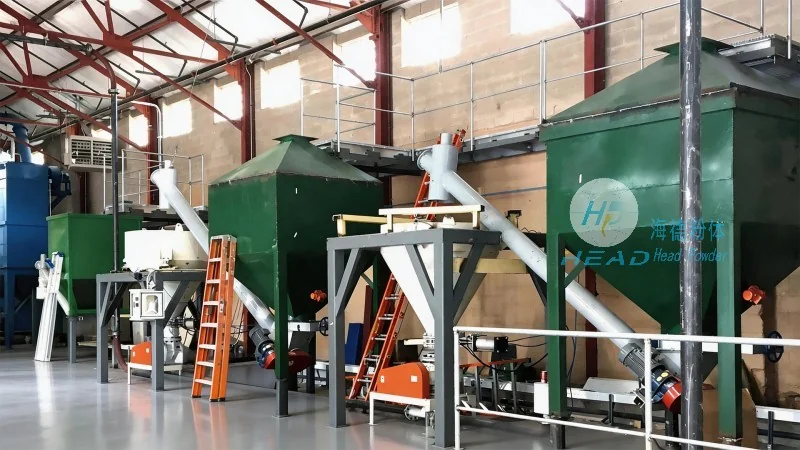
Key Characteristics of Wet Sodium Nitrate
Wet sodium nitrate, also known as sodium nitrate solution or slurry, exhibits unique physical and chemical properties that influence its handling requirements. The material typically contains a high proportion of water, which affects its flowability, viscosity, and stability. Understanding these characteristics is crucial for selecting appropriate equipment and processes for material transport. The moisture content and particle size distribution are key factors that determine the handling challenges and the need for specialized equipment to prevent clogging, segregation, or degradation.
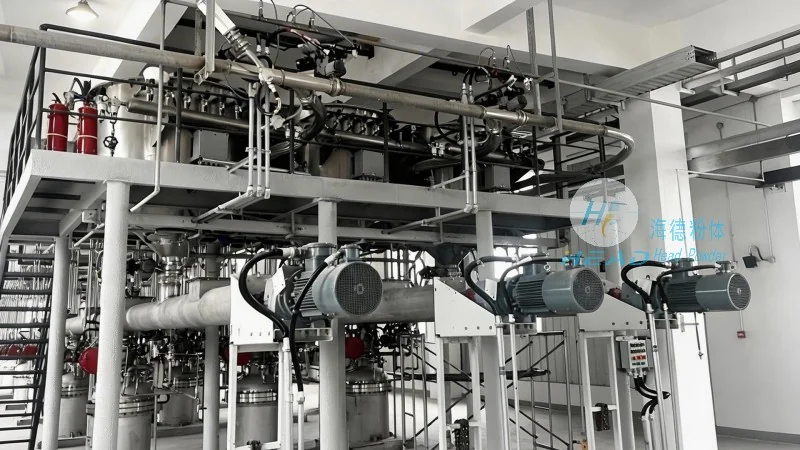
Principles of Material Handling for Wet Sodium Nitrate
The core principles of handling wet sodium nitrate involve ensuring consistent flow, preventing material degradation, and maintaining safety standards. The process often relies on a combination of gravity, pressure, and mechanical forces to move the material through pipelines or conveyors. Key equipment includes pumps, valves, and specialized conveyors designed to handle slurry-like materials. The selection of equipment is based on factors such as the concentration of the solution, the particle size, and the required flow rate. For example, centrifugal pumps are commonly used for high-flow applications, while positive displacement pumps are suitable for handling viscous or high-concentration slurries. Proper sealing and maintenance of equipment are essential to prevent leaks and contamination, which can impact product quality and environmental safety.
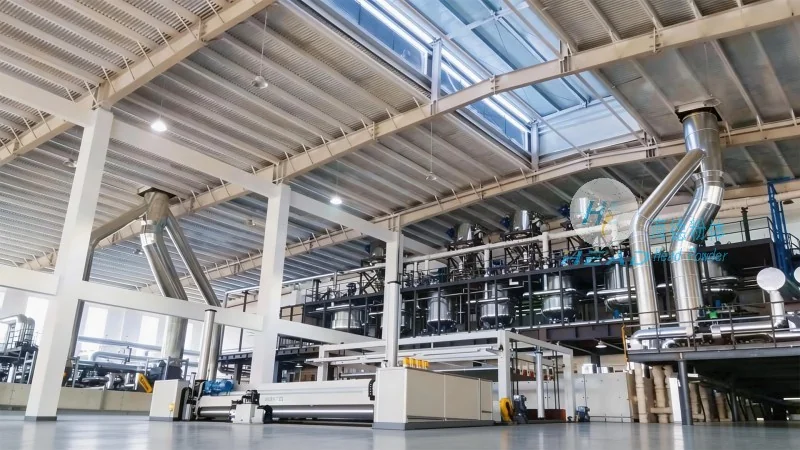
Working Scene Characteristics and Application Scenarios
The working scene characteristics of wet sodium nitrate material handling vary depending on the specific industrial application and the scale of operation. In fertilizer production plants, large volumes of wet sodium nitrate are processed and transported to storage facilities or processing units. The working environment is typically characterized by high throughput, continuous operation, and the need for automated systems to ensure efficiency. In contrast, in smaller-scale applications, such as laboratory or pilot plants, the handling process may involve manual or semi-automated methods, with a focus on precision and control. The working scene also includes considerations for environmental regulations, as the handling of sodium nitrate must comply with local and international standards to prevent water pollution and ensure worker safety. Additionally, the working conditions may involve exposure to high temperatures or corrosive substances, requiring specialized protective measures and equipment.
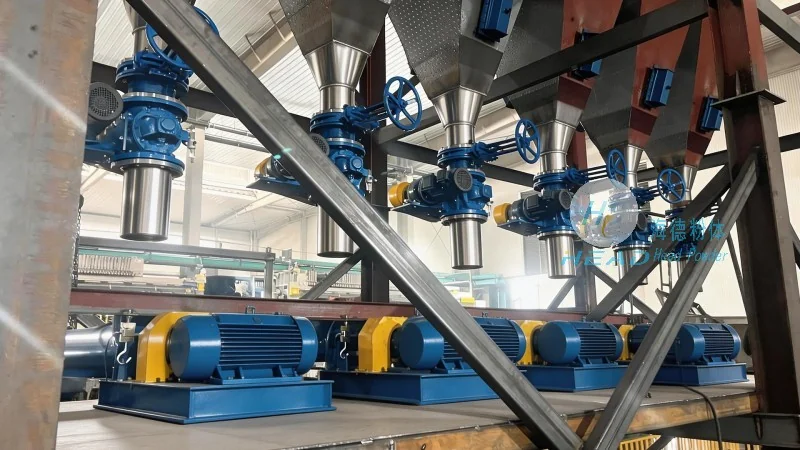
About Shandong HeadPowder Engineering Co., Ltd.
Shandong HeadPowder Engineering Co., Ltd., commonly known as HeadPowder, is a leading provider of engineering solutions for material handling and processing in the chemical industry. With a focus on innovation and customer-centric approaches, HeadPowder specializes in designing and manufacturing equipment tailored to the unique needs of wet sodium nitrate and other challenging materials. The company's expertise lies in understanding the complex characteristics of chemical compounds and developing customized solutions that enhance operational efficiency, reduce downtime, and ensure compliance with industry standards. HeadPowder's commitment to quality and safety has made it a trusted partner for industries relying on efficient material handling, including fertilizer, explosives, and chemical manufacturing. The company's facilities are located in Shandong, China, where it leverages local resources and expertise to deliver high-quality engineering services to global clients.




