HeadPowder, a leading provider in the battery materials industry, specializes in advanced material handling solutions tailored for the processing of battery positive electrode materials. This article explores the fundamental principles and distinctive working scene characteristics of material handling systems designed for this critical application.
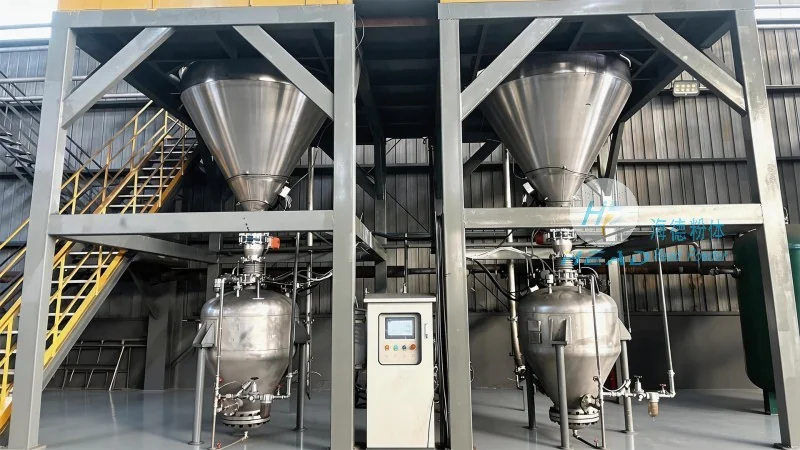
Introduction to Material Handling Systems for Battery Positive Electrode Materials
Material handling systems are essential in the production and processing of battery positive electrode materials, which are the core components that determine the performance and lifespan of lithium-ion batteries. These systems are engineered to ensure efficient, safe, and precise movement of raw materials, intermediate products, and finished electrode powders throughout various stages of manufacturing. The design and operation of such systems are influenced by several key factors, including material properties, production scale, and environmental considerations.
Core Principles of Material Handling for Battery Positive Electrode Materials
The primary principle of material handling for battery positive electrode materials is to maintain the integrity and purity of the materials. Electrode powders, often composed of active materials like lithium cobalt oxide (LiCoO₂), lithium iron phosphate (LiFePO₄), or nickel manganese cobalt oxide (NMC), are highly sensitive to contamination and moisture. Therefore, material handling systems must incorporate features that prevent cross-contamination, minimize particle loss, and control environmental conditions such as temperature and humidity. This is typically achieved through the use of enclosed conveyor systems, air filtration, and controlled atmosphere chambers.
Another critical principle is the optimization of material flow to enhance production efficiency. In battery manufacturing, the throughput of electrode material processing directly impacts the overall production rate. Material handling systems are designed to streamline the movement of materials from raw material storage to mixing, coating, and drying processes. This involves integrating various equipment, such as feeders, conveyors, and storage silos, into a cohesive workflow that minimizes bottlenecks and reduces downtime. The use of automated control systems and real-time monitoring further enhances operational efficiency by allowing for immediate adjustments to material flow rates.
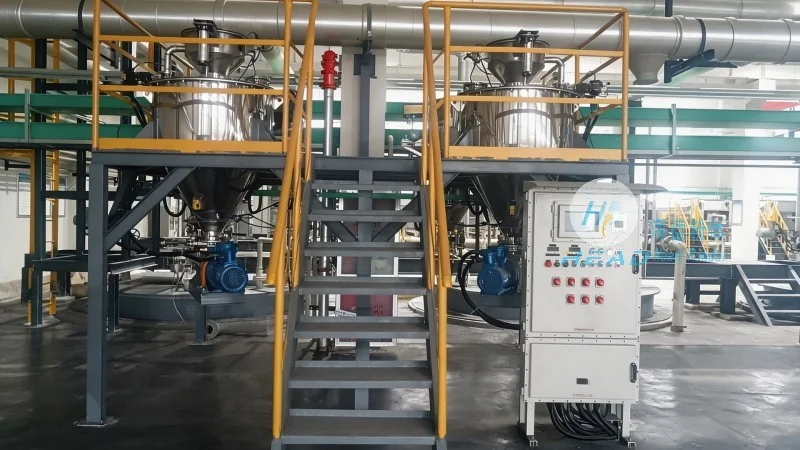
Working Scene Characteristics of Material Handling Systems
The working scene characteristics of material handling systems for battery positive electrode materials vary significantly based on the specific application and production environment. For instance, in large-scale battery production facilities, the systems are typically designed to handle high volumes of material, often requiring multiple parallel conveyor lines and large storage capacities. These systems may also incorporate advanced features like automated sorting and quality control to ensure only high-quality materials proceed to the next stage.
In contrast, smaller-scale or research and development (R&D) facilities may utilize more compact and flexible material handling solutions. These systems are often modular, allowing for easy reconfiguration to accommodate different material types or production processes. The working environment in these settings may also be more controlled, with emphasis on precision and reproducibility, which is crucial for R&D applications.
Key Components and Technologies in Material Handling Systems
Several key components and technologies are integral to the effective operation of material handling systems for battery positive electrode materials. These include:
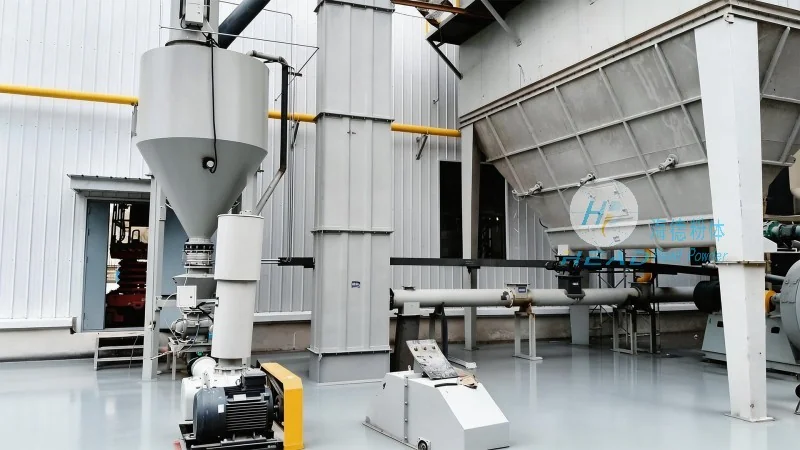
1. Conveyor Systems: These are the backbone of material movement, with options ranging from belt conveyors to screw conveyors and pneumatic conveying systems. The choice of conveyor type depends on the material's characteristics, such as particle size, density, and moisture content. For example, screw conveyors are suitable for handling dry, free-flowing powders, while pneumatic conveying is ideal for fine powders that are difficult to handle mechanically.
2. Feeding and Dosing Equipment: Precise control of material feed rates is essential to maintain consistent product quality. This is achieved through the use of gravimetric feeders, volumetric feeders, and automated dosing systems. These devices ensure that the correct amount of material is added to each batch, which is critical for achieving uniform electrode composition.
3. Storage and Handling Equipment: Large-scale production often requires substantial storage capacity to accommodate raw materials and intermediate products. Silos, hoppers, and bulk storage tanks are commonly used, with features like temperature control and moisture-proofing to preserve material quality. These storage systems are typically integrated with material handling equipment to facilitate seamless material transfer.
4. Automation and Control Systems: Modern material handling systems are increasingly automated, incorporating sensors, PLCs (Programmable Logic Controllers), and SCADA (Supervisory Control and Data Acquisition) systems. These technologies enable real-time monitoring of material flow, detection of anomalies, and automated adjustments to maintain optimal operating conditions. This level of automation not only improves efficiency but also enhances safety by reducing human intervention in potentially hazardous environments.
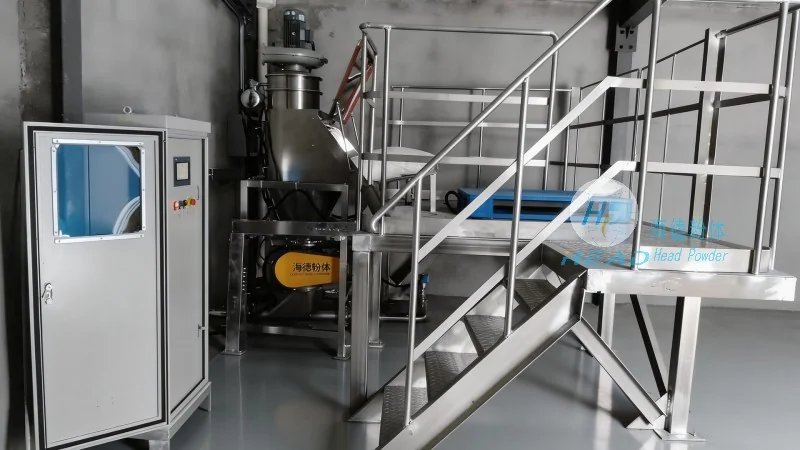
Application Examples and Industry Standards
Material handling systems for battery positive electrode materials are applied across various stages of the battery production process. For example, in the raw material preparation stage, systems may be used to transport and store raw materials like lithium hydroxide, cobalt oxide, and graphite. During the mixing and coating stage, material handling systems ensure the precise blending of active materials with binders and conductive agents. Finally, in the drying and packaging stage, systems handle the finished electrode powders, preparing them for further processing or shipment.
The industry adheres to strict standards and regulations to ensure the quality and safety of battery materials. Material handling systems must comply with these standards, which include guidelines for material purity, contamination control, and environmental protection. For instance, in the production of lithium-ion batteries, the International Electrotechnical Commission (IEC) and the International Organization for Standardization (ISO) have established standards for battery materials and manufacturing processes. These standards cover aspects such as material specifications, testing methods, and quality management systems, which material handling systems must support to ensure compliance.
Conclusion
Material handling systems play a pivotal role in the efficient and reliable production of battery positive electrode materials. By adhering to fundamental principles such as maintaining material integrity and optimizing flow, and leveraging advanced technologies like automation and precise control, these systems enable manufacturers to produce high-quality battery materials consistently. The working scene characteristics of these systems are tailored to the specific needs of the production environment, whether it is a large-scale manufacturing facility or a research and development laboratory. As the battery industry continues to grow, the importance of robust material handling solutions will only increase, ensuring the continued advancement of battery technology and its applications.




