Shandong HeadPowder Engineering Co., Ltd., operating under the brand name headpowder, is a leading enterprise based in Shandong, China. Specializing in the engineering and supply of material handling systems, the company focuses on delivering customized solutions for industries that utilize barium carbonate. With a strong commitment to precision and innovation, headpowder has established itself as a trusted provider of reliable and efficient systems that enhance operational efficiency and safety in various industrial settings.
Principle of Barium Carbonate Material Handling Systems
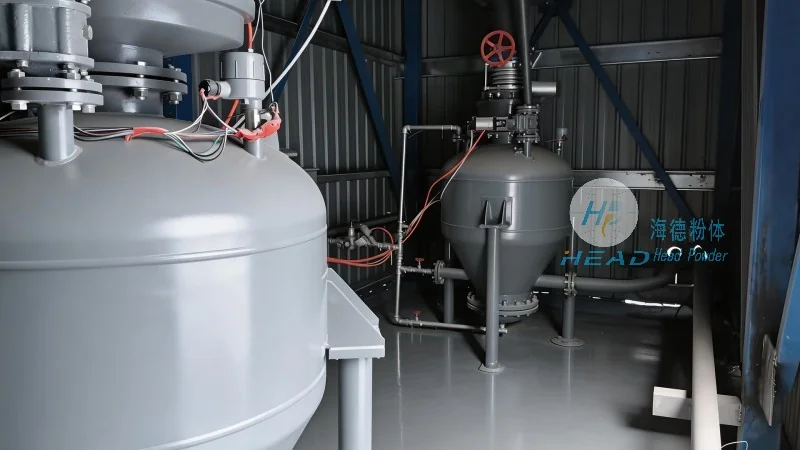
The barium carbonate material handling system operates based on the principles of mechanical and pneumatic transportation, tailored to the physical and chemical properties of barium carbonate. Barium carbonate is a white, crystalline powder with a density of about 4.3 g/cm³ and particle sizes ranging from fine to coarse. Its handling requires specialized equipment to ensure safe and efficient movement, as the material can be abrasive and may generate dust during processing. The system typically comprises feeders, conveyors, and control units that work in tandem to manage the flow of material from storage to processing or packaging stages. Mechanical conveyors, such as screw conveyors or belt conveyors, are commonly used for horizontal or slight incline transport, while pneumatic systems are employed for vertical or long-distance transport, especially when dealing with fine powders that pose dust control challenges. The control mechanisms, often integrated with sensors and automation, monitor critical parameters like flow rate, pressure, and temperature to maintain optimal performance and prevent material degradation or equipment damage. This closed-loop control system ensures consistent material delivery and reduces the risk of operational disruptions.
Working Scene Characteristics of Barium Carbonate Material Handling Systems
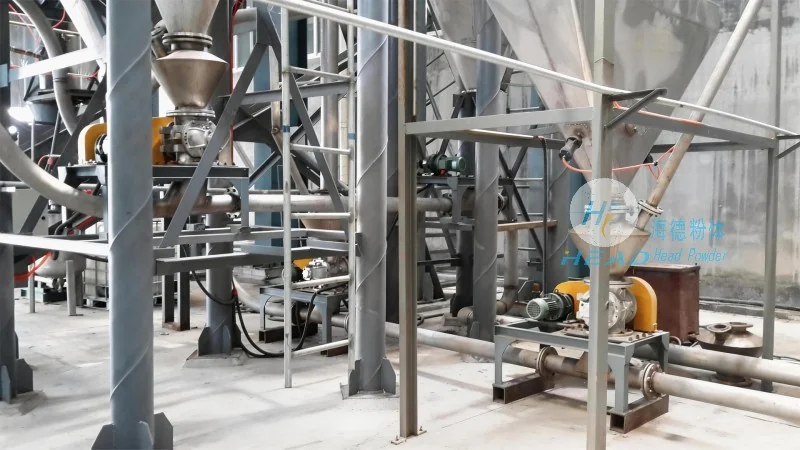
The working scene characteristics of barium carbonate material handling systems are defined by the diverse industrial environments where barium carbonate is utilized. These systems are widely applied in the chemical industry, pharmaceutical manufacturing, and mining sectors, among others. In chemical plants, the system facilitates the transfer of barium carbonate from bulk storage to reactors or processing units, ensuring consistent feed rates for chemical reactions. In pharmaceutical production, the system must adhere to stringent hygiene and contamination control standards, often incorporating dust-proof enclosures and sterile components to maintain product purity. In mining operations, the system may handle larger, coarser barium carbonate particles, requiring robust conveyors capable of withstanding heavy loads and abrasive conditions. The adaptability of these systems to different operational conditions, such as varying ambient temperatures or humidity levels, is a key characteristic that enhances their effectiveness in diverse working environments. Additionally, the integration of safety features, such as emergency stop buttons and dust suppression systems, ensures compliance with industrial safety regulations and minimizes operational risks. The systems are designed to operate in both indoor and outdoor settings, making them versatile for various industrial applications.
Key Features and Advantages
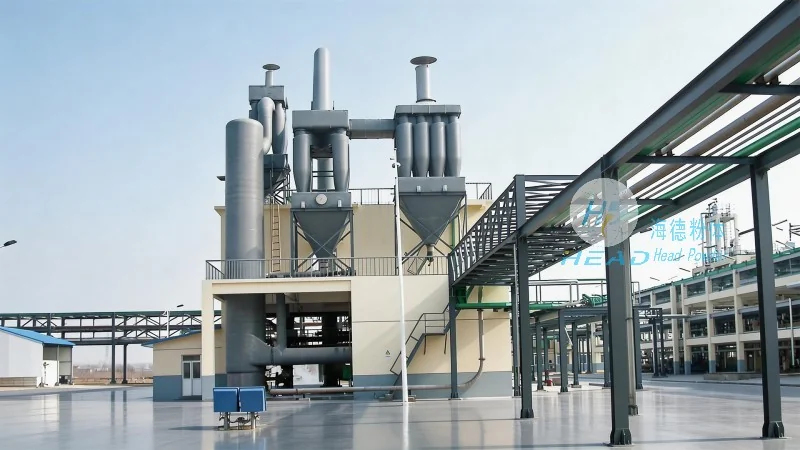
Barium carbonate material handling systems developed by headpowder exhibit several key features that address the specific needs of industrial applications. One of the primary advantages is the high efficiency in material transport, achieved through optimized conveyor designs and control systems that minimize downtime and maximize throughput. The systems are also designed for low material loss, which is critical for valuable or hazardous materials like barium carbonate. This is achieved through precise feeding mechanisms and sealed conveyor sections that prevent spillage or dust emission. Furthermore, the systems are built for durability and long-term reliability, using high-quality materials and robust construction to withstand the abrasive nature of barium carbonate particles and the demanding conditions of industrial environments. The modular design of these systems allows for easy integration with existing production lines and scalability to accommodate future expansion or increased production demands. This flexibility ensures that the systems can adapt to evolving operational requirements without significant modifications or replacements. Additionally, the systems are equipped with monitoring and diagnostic tools that provide real-time data on performance, enabling proactive maintenance and reducing unexpected breakdowns. This proactive approach enhances operational continuity and reduces maintenance costs over the system's lifecycle.




