

Principle and Working Scene Characteristics of Silicate Material Conveying Lines
HeadPowder, a professional engineering company based in Shandong, China, specializes in the design, manufacturing, and installation of advanced material handling systems. With a focus on silicate material processing, the company has developed sophisticated conveying lines tailored to meet the demands of various industrial applications.
Principle of Silicate Material Conveying Lines
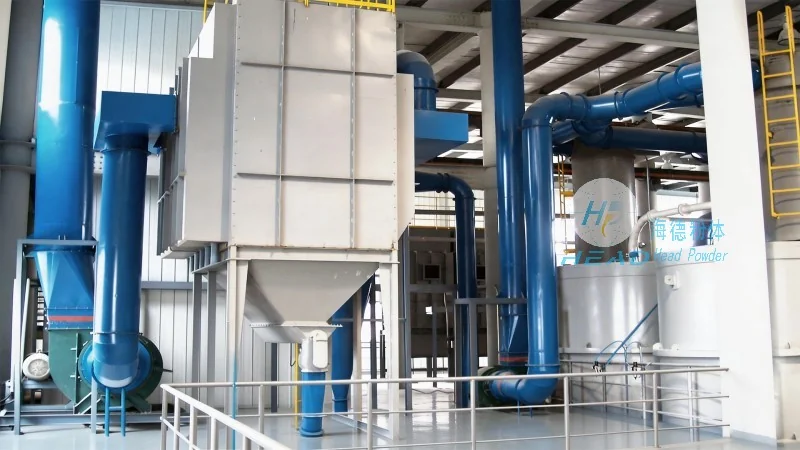
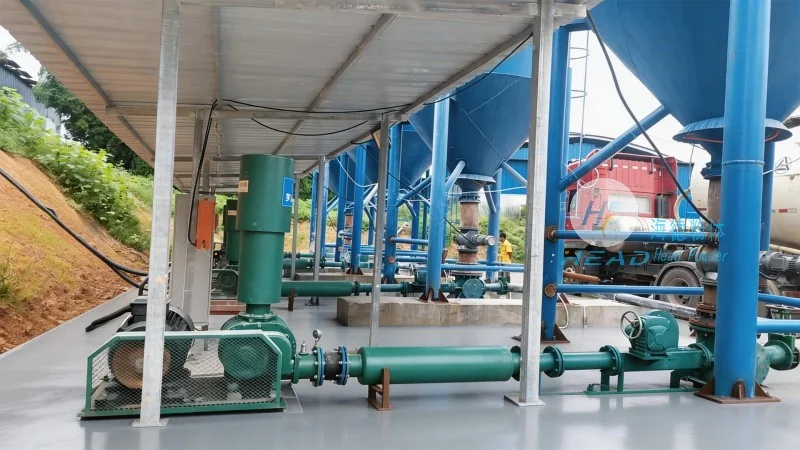
Silicate material conveying lines operate on the principle of efficient material transport through a series of mechanical components. The system typically includes feeders, conveyors (such as belt conveyors, screw conveyors, or pneumatic conveyors), and control systems. Feeders are used to uniformly introduce silicate materials into the conveying line, ensuring consistent flow rates. Conveyors then transport the materials through the system, often incorporating features like variable speed drives to adjust for different material properties and processing requirements. Control systems monitor and regulate the entire process, maintaining optimal performance and safety. The integration of these components allows for a seamless and reliable transport of silicate materials from the source to the processing or storage areas.
Working Scene Characteristics of Silicate Material Conveying Lines
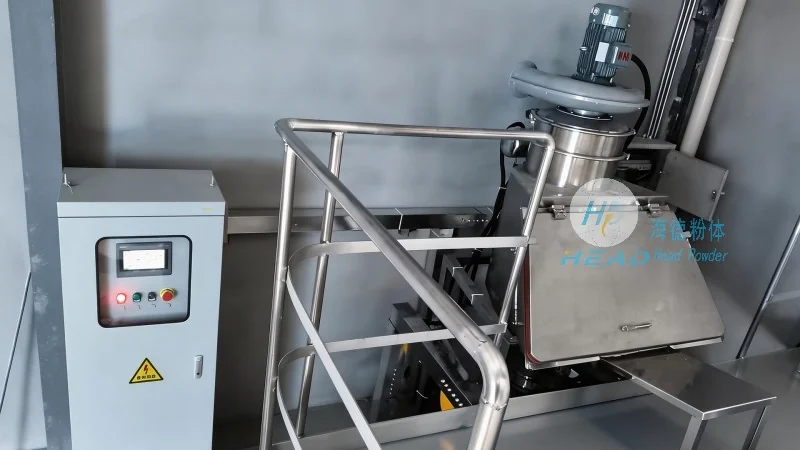
The working scene characteristics of silicate material conveying lines are tailored to the specific needs of industrial environments where silicate materials are processed. These lines are designed to handle materials with varying particle sizes, densities, and flow characteristics. For example, in cement production facilities, the conveying lines must efficiently transport raw materials like limestone, clay, and iron ore. In glass manufacturing plants, the system handles sand, soda ash, and other raw materials with precision. The lines are also adapted to different operational conditions, including high-temperature environments or dusty conditions, ensuring durability and performance. Additionally, the design considers space constraints and integration with existing production lines, making them versatile for various industrial settings. The working scene characteristics emphasize reliability, efficiency, and adaptability to meet the demands of modern silicate material processing industries.
Key Features and Applications
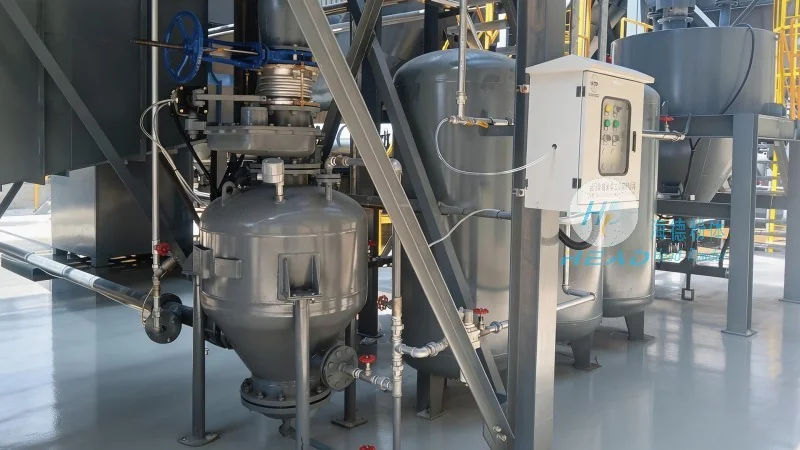
HeadPowder's silicate material conveying lines are equipped with several key features that enhance their performance and suitability for industrial use. These features include robust construction to withstand heavy loads and harsh environments, advanced control systems for precise operation, and modular designs that allow for easy customization and expansion. The lines are widely used in industries such as cement, glass, ceramics, and chemical processing, where the efficient transport of silicate materials is critical to production efficiency. By optimizing material flow and reducing downtime, these conveying lines contribute to improved overall productivity and cost-effectiveness in silicate material processing operations.